

A New Kind of Ride: Understanding the Lyft and Waymo Shift in Nashville
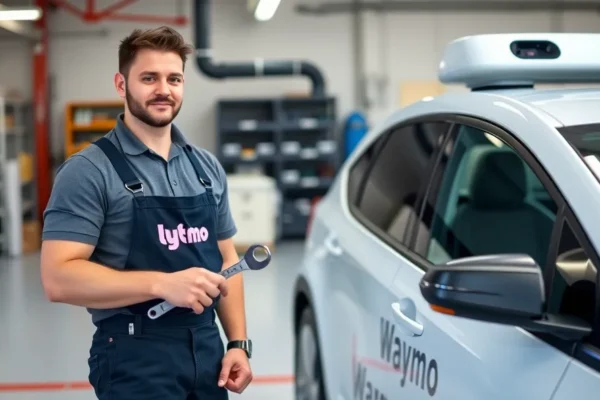
If you have lived in Nashville recently, you might have noticed something different on the streets. The conversation around ride-sharing is shifting from “Who is driving my car?” to “How is the car being managed?” 🚗 Lyft is currently testing a fascinating new strategy in the Music City. Instead of simply competing with autonomous vehicles, they are partnering with Waymo to integrate driverless technology into their platform. But here is the real twist: they aren’t just letting drivers go. They are retraining them to become the backbone of this new era through autonomous car maintenance and fleet support.
In plain terms, this is a pivot in how mobility services work. Instead of a person sitting behind the wheel to get you from point A to point B, the “product” becomes a highly maintained, tech-driven robotaxi service. Lyft provides the app and the customer connection, Waymo provides the automotive technology that drives the car, and a new class of specialized workers ensures those cars stay clean, safe, and functional. This is designed for the modern commuter who wants reliability and the gig worker looking for a more stable, technical career path in the evolving gig economy.
Why should you care? Because this isn’t just a local experiment. It is a blueprint for the future of ride-sharing. Whether you are a passenger or someone looking for work, the way we move through cities is changing right before our eyes.
How This Changes Your Daily Commute
You might wonder how this looks in the real world. It isn’t just about a car driving itself; it’s about the entire service experience. Here are a few ways this might play out in your daily life:
- The Seamless Commuter: Imagine you are heading to a concert downtown. You open your Lyft app, select a Waymo ride, and a spotless, perfectly maintained vehicle pulls up. Because the car is serviced by a dedicated professional rather than a driver who is rushing between trips, the interior feels more like a premium lounge than a used sedan. It feels like riding in a high-end, automated shuttle.
- The Busy Parent: If you manage a busy household, you often need a ride that is predictable. With driverless technology, the “driver” doesn’t get tired, doesn’t get frustrated by traffic, and doesn’t take weird detours. The ride becomes a predictable utility, much like a train but with the convenience of a car.
- The Career Pivoter: For a former Lyft driver, the experience isn’t about losing a job, but changing one. Instead of spending eight hours a day navigating Nashville traffic, they might spend their day managing a fleet of autonomous vehicles, ensuring sensors are clean and software is updated. It turns a driving job into a technical service job.
Who This Is For (And Who Should Wait)
As with any major transportation innovation, this new model isn’t a one-size-fits-all solution.
Best For:
- Tech-Savvy Commuters: People who love trying the latest gadgets and want a consistent, high-tech experience.
- Nashville Residents: Those currently living in the pilot area who can actually experience the service.
- Forward-Thinking Workers: Gig workers who want to build technical skills in autonomous car maintenance to stay relevant.
Good For:
- City Travelers: People who move through predictable urban environments where autonomous vehicles thrive.
Skip If:
- You Value Human Connection: If you enjoy chatting with your driver or need someone to help you with heavy groceries, a driverless ride will feel cold and unhelpful.
- You Are Outside the Pilot Zone: If you aren’t in Nashville, this doesn’t affect your daily routine just yet.
How It Compares to Traditional Ride-Sharing
When you compare this to the “old way” of using Lyft or Uber, there are some clear trade-offs.
The Human Element: Traditional ride-sharing offers a level of empathy and flexibility that tech cannot match. A human driver can help you with a broken stroller or navigate a sudden road closure using intuition. Waymo’s approach is more clinical and programmed. It is better at following rules and maintaining a standard of cleanliness, but weaker at “reading the room.”
Price and Value: Currently, autonomous vehicles often carry a bit of a “tech premium” price tag. While the goal is to eventually make these rides cheaper than human-driven ones (by removing the driver’s wage), early adopters might find themselves paying more for the novelty and the superior vehicle condition. However, the long-term value proposition is a more consistent, high-quality service that doesn’t fluctuate based on a driver’s mood or fatigue.
Getting Started and the Learning Curve
For the passenger, the “setup” is incredibly easy. You use the same Lyft app you already know. You simply select the autonomous option, and the app guides you through the process. There is almost no learning curve for the consumer, though you might need to get used to the slightly different “feel” of a car that moves with mathematical precision rather than human instinct.
For the workers, however, there is a significant learning curve. This isn’t just “driving a car.” It involves understanding automotive technology, software interfaces, and specialized maintenance protocols. The retraining programs provided by Lyft are designed to bridge this gap, but it requires a commitment to learning new, technical skills. It moves the worker from a “labor” role to a “technical support” role.
Real-World Pros
- Higher Reliability: Because these vehicles are part of a managed fleet, they are reported to be more consistently maintained and cleaner than standard ride-share cars.
- Career Longevity: For workers, this shift offers a way to stay in the gig economy without the physical toll of long-distance driving, providing a pathway into more technical roles.
- Safety Potential: By removing human error—like distracted driving or fatigue—the goal is to create a safer environment for everyone on the road.
- Predictable Experience: You know exactly what kind of car you are getting every single time.
Real-World Cons and Limitations
- Limited Geography: Right now, this is a Nashville-centric story. If you aren’t in a specific pilot city, you won’t see these benefits.
- Lack of Personal Assistance: There is no one to help you with a spilled drink, a heavy bag, or navigating a confusing pickup spot.
- Technical Glitches: As with all automotive technology, software bugs or sensor issues can lead to unexpected delays or “frozen” vehicles in complex traffic.
- Transition Stress: For many drivers, the shift from driving to maintenance can be intimidating and requires significant effort to adapt to a new way of working.
Price, Value, and Affordability
As of late 2024, the cost of a Waymo ride through Lyft is comparable to, or slightly higher than, a standard Lyft ride in the Nashville area. Is it worth it? If you value a spotless, quiet, and highly predictable ride, the premium is worth it. If you are just looking for the cheapest way to get across town, a standard human-driven ride remains the better budget alternative.
The long-term value lies in the scalability. As the fleet grows and the cost of the technology drops, we expect these driverless services to become the most affordable way to move around a city. For the worker, the value is in “future-proofing” their income by learning skills that will be in high demand as more cities adopt this tech.
Verdict: Is the Future of Ride-Sharing Here?
The Lyft and Waymo partnership in Nashville is a brilliant, if complicated, look at the future of ride-sharing. It avoids the “robots take all the jobs” trope by attempting to integrate human expertise into the tech ecosystem.
Who should buy in? If you are a Nashville local who wants to experience the cutting edge of mobility services, go for it. If you are a gig worker looking to stay ahead of the curve, take the retraining seriously.
Who should wait? If you rely heavily on the social aspect of ride-sharing or are on a very strict budget, stick to your traditional rides for now. This is a glimpse into the future, but the full revolution is still a few years away from being a universal reality.
Common Questions and Answers
Is it safe to ride in a driverless car?
Waymo’s autonomous vehicles are designed to follow strict safety protocols and are heavily tested. While they lack human intuition, they are built to avoid common human errors like speeding or distracted driving.
Will this replace all Lyft drivers?
Not immediately. The current strategy focuses on retraining drivers for autonomous car maintenance and fleet roles, showing a shift in the gig economy rather than a total replacement.
How much more does a Waymo ride cost?
Prices vary by trip, but currently, it may be slightly more expensive than a standard ride due to the new technology. Over time, costs are expected to decrease.
Do I need a special app for Waymo?
No, you can access these driverless services directly through the existing Lyft app in supported areas like Nashville.
Can the car help me with my luggage?
No, because there is no human driver on board, you will need to handle your own bags and any other physical needs during the trip.
Product prices and availability vary by region. Verify current pricing before purchase











