

“`html
A New Chapter Begins Navigating Finances After Losing Your Spouse
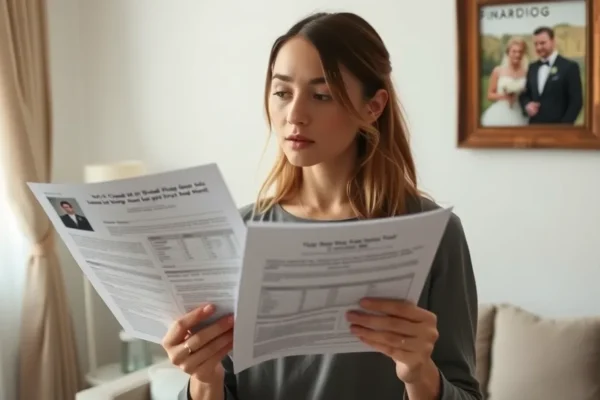
Life throws curveballs, and sometimes, the biggest ones involve the loss of a loved one. When that happens, the world as you knew it shifts, and so do your responsibilities, especially when it comes to managing finances after losing a spouse. It’s a journey no one wishes for, but one many find themselves on. This guide is here to walk with you, offering clear steps and insights to help you find your financial footing again.
Why This Matters So Much Right Now
In today’s world, conversations around personal finance are everywhere. But when you’re dealing with the profound emotional weight of widowhood, the practicalities of managing finances can feel overwhelming. People are actively searching for guidance because life changes, especially a loss of this magnitude, necessitate a financial reset. Understanding widowhood finances and the financial transition that follows is no longer a niche topic; it’s a critical area where support and clear information are desperately needed. Many are looking for ways to navigate grief and finances simultaneously, seeking peace of mind in their economic future.
Understanding the Shift: What Changes When You’re Managing Finances After Losing a Spouse
For many couples, finances are often a shared endeavor. One partner might handle the bills, while the other focuses on investments, or perhaps income streams were combined. When a spouse is no longer there, that dynamic fundamentally changes. Suddenly, you might be solely responsible for tasks you never managed before. This includes understanding joint accounts, deciphering insurance policies, dealing with pensions or social security, and figuring out how your overall budget will work with a potentially different income. It’s a significant adjustment, and it’s completely normal to feel a bit lost at first. This period is often referred to as widowhood finances, highlighting the unique challenges individuals face.
The Ripples of Change: What This Means for Your Financial Life
Losing a spouse impacts your finances in multiple ways. Your household income might decrease, especially if your spouse was a primary earner. Expenses may also shift. Some costs might go away, while new ones could emerge, such as increased childcare needs or expenses related to managing a larger home alone. This is where budgeting after loss becomes incredibly important. You need to get a clear picture of where your money is going and where it’s coming from. Beyond daily living, there are also larger financial matters to consider, like estate planning. Understanding survivor benefits becomes a key part of this. For many, the goal shifts towards achieving financial independence as a widow, rebuilding a sense of security and control over their future. It’s about taking back the reins and making sure your financial life supports your new reality.
Looking Ahead: Building a Stable Financial Future
The path forward after a loss is about rebuilding and creating a new sense of stability. This involves several key steps. First, take time to understand your current financial picture. Gather all relevant documents, like bank statements, insurance policies, wills, and any information about pensions or retirement accounts. Next, create a realistic budget. This will help you see where your money is going and identify areas where you can save. Don’t be afraid to explore all available survivor benefits; these are designed to help ease the financial burden. If there’s debt involved, learning about debt management for widows is crucial. It might also be a good time to revisit or create an estate plan to ensure your wishes are documented for the future. The ultimate aim is to foster financial independence, allowing you to move forward with confidence and peace of mind. This financial transition is a process, and taking it one step at a time is key.
Frequently Asked Questions About Managing Finances After Losing a Spouse
What are the first steps in managing finances after losing a spouse?
The very first steps involve gathering information. This means locating important documents like bank statements, insurance policies, and wills. You’ll also want to inform relevant institutions like banks, government agencies for survivor benefits, and any pension providers about the change in your marital status. Taking stock of your current financial situation is crucial for understanding your new reality. It’s about getting a clear picture of what you have and what you owe.
How can I adjust my budget after my spouse’s passing?
Adjusting your budget after loss requires a close look at your income and expenses. List all your current income sources, including any survivor benefits you may be eligible for. Then, list all your expenses, categorizing them into essentials like housing and food, and discretionary spending. You might find that some expenses have decreased, while others have increased. The goal is to create a realistic budget that reflects your new financial circumstances and helps you live comfortably within your means. This is a key part of navigating widowhood finances.
What should I know about survivor benefits?
Survivor benefits are financial resources provided by government programs or private insurance policies to the surviving family members of a deceased individual. These can come from Social Security, pensions, or life insurance policies. It’s essential to understand what benefits you are entitled to, as they can significantly impact your financial transition. Contacting the relevant agencies or insurance companies is the best way to get accurate information about eligibility and application processes. Exploring these benefits is a vital part of managing finances after losing a spouse.
How do I approach debt management as a widow?
Debt management for widows often involves understanding whether debts were joint or individual. If debts are joint, you will likely become solely responsible for them. If they were individual, the debt usually falls to the deceased’s estate, but understanding the specifics of your situation is important. You might need to contact creditors to explain the situation and explore repayment options or potential relief. Prioritizing high-interest debts can be a good strategy. Seeking advice from a financial advisor specializing in these matters can provide clarity and support during this challenging financial transition.
What does financial independence for a widow look like?
Financial independence for a widow means having the ability to manage your financial life comfortably and confidently without relying on others. It involves having sufficient income, savings, and assets to meet your needs and goals. This might mean adjusting your spending habits, exploring new income opportunities, or making smart investment decisions. It’s about regaining a sense of control and security, allowing you to live life on your own terms. Achieving financial independence as a widow is a journey that begins with understanding your current financial standing and making proactive steps towards your future.
“`











