

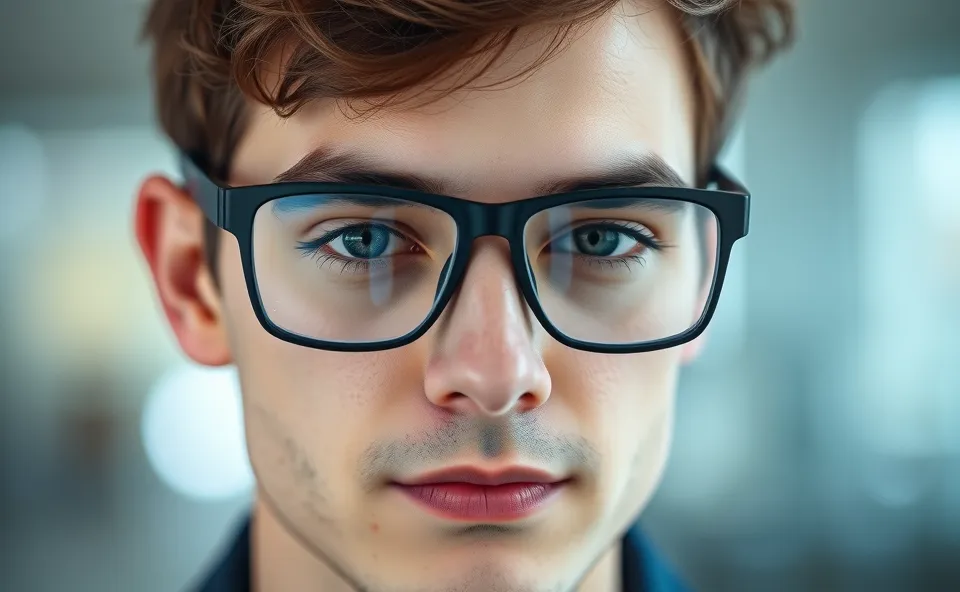
Eyeballs on the Prize Meta’s Smart Glasses Spark Privacy Alarms
So, Meta, the company behind Facebook and Instagram, has been trying to push forward with their latest gadget: smart glasses that can recognize faces. Sounds futuristic, right? But here’s the thing. A whole bunch of organizations, over 70 of them, are really unhappy. They’re saying these new AI glasses could actually put vulnerable people in danger. It’s a pretty big deal, and it’s got a lot of people talking about privacy and the future of technology.
Why Are We Talking About This Right Now
The reason this is suddenly front of mind is that these concerns have bubbled up in a really significant way. When over 70 groups raise a red flag, it’s hard to ignore. It means the potential issues are serious enough to unite a wide range of people and organizations, from civil liberties advocates to groups specifically focused on protecting communities. This isn’t just a few people complaining; it’s a chorus of warnings that Meta can’t easily dismiss. People are searching for this because they want to understand what these smart glasses can do, who might be affected, and whether this is a technology we should be embracing or pushing back against.
A Little Bit of History to Understand the Present
Meta has been investing heavily in the metaverse, and these smart glasses are seen as a key piece of that puzzle. Think of them as a potential doorway into a more integrated digital and physical world. But this isn’t the first time facial recognition technology has caused a stir. We’ve seen it used in various forms for years, from unlocking phones to security systems. However, putting powerful facial recognition capabilities directly into wearable glasses that people can wear in public opens up a whole new set of questions. Past debates around facial recognition have often centered on its accuracy, potential for bias, and the implications of widespread surveillance. Now, with Meta’s push, these discussions are getting amplified, especially when we consider how this tech could impact specific groups.
What Does This Mean for Everyone
The core of the backlash is about privacy and safety. Imagine glasses that can identify people you encounter. That capability, in the wrong hands or even just through unintentional misuse, could be a real problem. The organizations raising concerns are worried about several things:
- Increased Surveillance: The fear is that these AI glasses could lead to a society where we’re constantly being watched and identified, blurring the lines between public and private life.
- Targeting Vulnerable Groups: This is a major concern. Groups like LGBTQ+ individuals, immigrants, or those who have experienced abuse could be at higher risk. For example, if someone with a history of stalking or harassment has access to facial recognition, it could make it easier for them to find and track people they shouldn’t be interacting with. This is a critical point when thinking about LGBTQ+ safety and immigrant safety.
- Data Security: What happens to all the facial data these glasses collect? How is it stored? Who has access to it? These are vital questions for consumer privacy.
- Erosion of Anonymity: In public spaces, there’s an expectation of a degree of anonymity. Facial recognition technology in smart glasses challenges that fundamental expectation.
For Meta, this is a significant hurdle. They are trying to innovate, but they are also facing a backlash that could shape public perception and potentially lead to stricter regulations. For the tech industry as a whole, it highlights the ongoing tension between developing powerful new AI capabilities and ensuring they are used responsibly and ethically. The debate over facial recognition isn’t going away; it’s just getting more personal and more immediate.
Where Do We Go From Here
It’s tough to say exactly what happens next, but we can anticipate a few things. First, Meta will likely face increased pressure to address these privacy concerns directly. They might need to implement stronger safeguards, be more transparent about how the facial recognition works, and perhaps even limit certain features. Second, regulatory bodies will be watching very closely. Governments around the world are already grappling with how to regulate AI and data privacy, and this kind of public outcry often spurs new laws or guidelines. We might see calls for stricter rules on the development and deployment of facial recognition technology, especially in consumer devices. Finally, the public conversation will continue. This event is likely to make more people aware of the potential risks associated with everyday AI technologies, leading to greater demand for privacy focused features and ethical AI development from all tech companies.
Got Questions About Meta’s Facial Recognition Smart Glasses
What exactly do Meta’s facial recognition smart glasses do?
These AI glasses are designed with built-in cameras and artificial intelligence that can, among other features, potentially identify people’s faces. The goal from Meta is to offer a more seamless way to interact with technology and information in real time through a wearable device.
Why are organizations concerned about Meta’s smart glasses and facial recognition?
The main concerns revolve around privacy and safety. Organizations worry that widespread use of facial recognition in smart glasses could lead to increased surveillance, make vulnerable groups like immigrants and the LGBTQ+ community targets for harassment or worse, and erode personal privacy in public spaces. The ACLU and EPIC, for example, have raised alarms about these potential risks to civil liberties.
Could facial recognition in smart glasses be used by sexual predators?
This is one of the most serious concerns raised by critics. The worry is that individuals with malicious intent, such as sexual predators, could use the facial recognition capabilities of these smart glasses to identify, track, and stalk individuals, particularly those who are already vulnerable. It’s a stark example of how privacy issues can directly impact personal safety.
What are the privacy implications of Meta’s AI glasses?
The privacy implications are vast. These glasses collect visual data of the environment and the people in it. If facial recognition is enabled, that data becomes even more sensitive. Concerns include how this data is stored, who can access it, and whether it can be used for purposes beyond the user’s immediate intent, potentially leading to widespread surveillance and a loss of anonymity.
Is facial recognition technology in smart glasses the future of personal tech?
It’s certainly a path some tech companies, like Meta, are exploring as part of the evolution of wearable technology and augmented reality. However, the significant privacy and safety backlash Meta is facing highlights that the widespread adoption of facial recognition in smart glasses is not guaranteed. Public acceptance, ethical considerations, and regulatory frameworks will play a crucial role in determining if this becomes a mainstream feature.











