Meta Shifts Strategy for Smart Eyewear
On October 25, 2024, Meta Platforms (META) saw its shares shift following reports regarding its internal roadmap for wearable technology. While the broader Nasdaq Composite experienced fluctuations throughout the trading week, investor interest peaked as details emerged about a new iteration of Meta smart glasses that may omit integrated cameras. This strategic pivot marks a distinct shift in the company’s approach to the wearables market, directly addressing one of the most significant barriers to mass adoption: user and public concern regarding digital privacy.
The Catalyst Behind the Shift
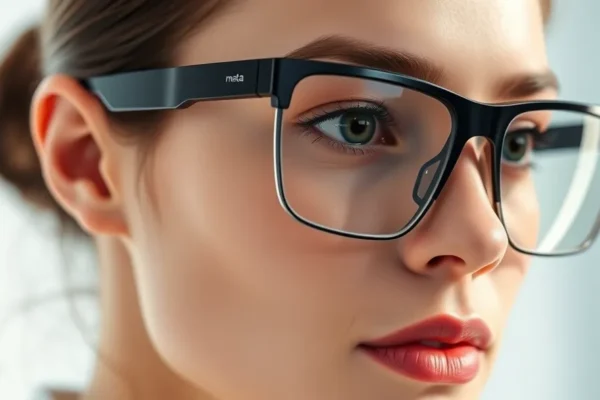
The primary trigger for this market conversation is the evolving landscape of consumer electronics. Meta has successfully built momentum with its existing Ray-Ban Meta collection, which integrates cameras for photography and video. However, according to recent internal briefings reported by The Information, the company is exploring a camera-free version of these smart eyewear devices. The catalyst here is not a decline in interest, but rather an expansion of the addressable market. By removing the camera, Meta aims to target high-security environments—such as corporate offices, sensitive research facilities, and schools—where wearable cameras are currently prohibited due to privacy policies.
Financial Context and Market Growth
Meta’s investment in Reality Labs, the division responsible for augmented reality devices and smart glasses, remains a significant component of its financial narrative. In its Q3 2024 earnings report, Meta noted that Reality Labs continues to incur operating losses as the company invests in long-term hardware development. Specifically, Meta reported a loss of $4.4 billion for this segment in the third quarter. Despite these losses, the company maintains that revenue growth within the “Family of Apps” remains robust, providing the capital necessary to fuel innovation in wearable technology.
Historically, the consumer electronics sector has struggled with the “creepy factor” of cameras on faces. By diversifying its hardware lineup, Meta is attempting to normalize the use of smart eyewear. This is a critical move, as the smart glasses market is projected to grow at a compound annual growth rate (CAGR) of over 15% through 2030, according to various industry research firms, as consumers look for alternatives to traditional smartphones.
Analyzing the Impact on Adoption and Privacy
The introduction of a camera-free model indicates a sophisticated understanding of consumer behavior. From an analytical standpoint, this move de-risks the product for a specific, high-value demographic. Privacy tech is no longer just a feature; it is a fundamental requirement for hardware adoption. Investors should look at the “attach rate” of these glasses to Meta’s ecosystem—the number of users who transition from casual wearers to power users who use the glasses for AI-integrated voice assistance.
If Meta successfully positions these glasses as “intelligent headsets” rather than “surveillance tools,” they may overcome the regulatory and social hurdles that hampered earlier generations of wearable technology. The market sentiment, as indicated by recent analyst notes from firms like JPMorgan and Morgan Stanley, suggests that the success of the Ray-Ban partnership has validated the hardware design language. However, the move to remove the camera suggests Meta is prioritizing software integration and AI-based voice processing over optical recording capabilities in the short term.
Related Opportunities and Sector Implications
This development has ripple effects across the hardware and semiconductor industries. Companies that supply low-power processors, audio components, and lightweight battery technology are indirect beneficiaries of the push for slimmer, more unobtrusive eyewear. Furthermore, this trend forces competitors like Apple and Amazon to re-evaluate their own wearable strategies. If Meta succeeds in creating a product that is perceived as a “privacy-first” device, it could set a new industry standard that forces competitors to offer similar privacy features in their augmented reality devices.
Investors should also monitor the intersection of AI and hardware. Meta’s Llama language models are the core driver of the “smart” aspect of these glasses. As Meta continues to integrate its AI into its wearables, the company is moving toward an ecosystem where the hardware serves as a portal for its software, rather than a standalone gadget. This creates a moat that is difficult for hardware-only competitors to replicate.
Future Outlook and Key Metrics
Moving into 2025, the primary metric to watch is the growth of Meta’s “Other” revenue category, which houses hardware sales. Investors should look for updates in upcoming quarterly reports regarding the sales volume of these wearable units compared to previous quarters. Additionally, any regulatory shifts in the European Union or North America concerning wearable cameras could either act as a tailwind or a headwind for the adoption of camera-equipped models versus camera-free alternatives.
The timeline for these developments is likely to unfold over the next 12 to 24 months. Meta is in a capital-intensive phase, and the volatility of its stock often tracks with its spending projections for Reality Labs. Market participants should expect continued focus on the balance between innovation costs and the long-term potential of the AI-hardware synergy.
Frequently Asked Questions for Investors
What are the primary benefits of Meta smart glasses that lack a camera?
The main benefit is improved market penetration in locations where cameras are banned, such as workplaces and schools. By focusing on audio and AI-based voice assistance, Meta reduces privacy concerns, making the device more palatable for everyday, professional use.
How does this shift in privacy tech affect Meta stock?
Meta stock (META) is influenced by the company’s ability to diversify its revenue beyond advertising. If smart glasses become a significant hardware revenue stream, it reduces Meta’s reliance on digital ad performance, theoretically stabilizing the company’s long-term growth outlook.
Is this wearable technology a good investment compared to traditional smartphones?
Smart eyewear is an emerging growth market, whereas the smartphone market is largely saturated. While smart glasses are unlikely to replace smartphones immediately, they represent a long-term “optionality” for Meta to capture consumer attention in a mobile, hands-free environment.
What are the specific risks associated with Meta’s hardware strategy?
The primary risks include high research and development costs, potential changes in privacy regulations, and stiff competition from other tech giants. Additionally, if consumers reject wearable technology due to fashion or comfort concerns, the heavy investment into the hardware segment may not yield the expected returns.
How does this compare to competitors like Apple or Google?
Meta is currently leading in the integration of AI with lightweight form-factor smart glasses through its Ray-Ban partnership. Competitors have taken different paths, with some focusing on full augmented reality headsets (Apple) or voice-first smart devices, meaning Meta is currently carving out a unique niche in the mid-range wearable space.
Past performance does not guarantee future results. Markets are volatile and subject to unforeseen global developments. The analysis provided here is for informational purposes and does not constitute financial advice. Investors should conduct their own research or consult with a qualified financial advisor before making any investment decisions involving Meta Platforms or the wearable technology sector.