

Powering the Future: Meta’s Bold Space Solar Vision for AI
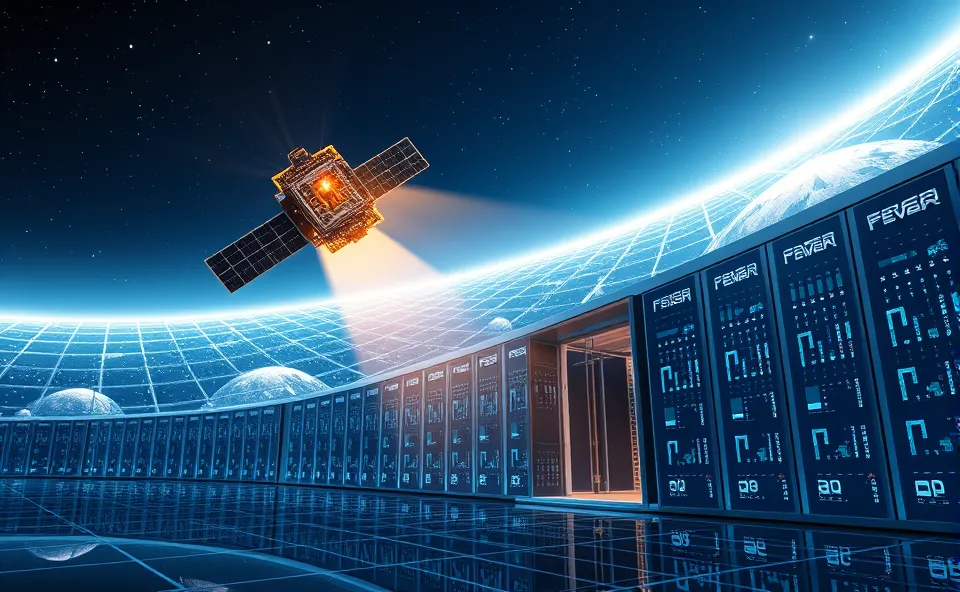
Imagine this: massive solar farms, not on Earth, but floating in space, beaming clean energy down to power the insatiable hunger of Meta’s AI data centers. It sounds like science fiction, right? Well, it’s becoming a very real possibility. Meta, the company behind Facebook, Instagram, and WhatsApp, is seriously exploring using space-based solar energy to fuel its rapidly growing artificial intelligence operations. This isn’t just a whisper; it’s a significant exploration into a future where our digital world is powered by the sun’s energy, captured far above the clouds.
Why the Buzz Now for Meta’s Space Solar Plans?
The reason this is capturing so much attention right now is the sheer scale of AI’s energy demands. Artificial intelligence, especially the kind powering complex models and generative AI, requires enormous amounts of electricity. As Meta and other tech giants push the boundaries of AI, their data centers are becoming power-guzzlers. Finding sustainable, reliable, and abundant energy sources is no longer a nice-to-have; it’s a critical necessity for their continued growth and a significant challenge for the planet. This makes any innovative approach to renewable energy, especially one as ambitious as space-based solar, incredibly newsworthy and exciting. It highlights a growing trend of tech companies looking for groundbreaking solutions to meet the escalating energy needs of advanced computing.
A Little Context: The Journey to Powering Our Digital Lives
For years, tech companies have been on a quest for cleaner energy. Initially, the focus was on efficiency and then on procuring renewable energy through power purchase agreements for existing solar and wind farms on Earth. Data centers, the physical backbone of the internet and all our digital services, are energy intensive by nature. They house the servers that store our photos, run our applications, and, increasingly, train and operate sophisticated AI models. The challenge has always been the sheer amount of power needed and the desire to minimize their carbon footprint. Space-based solar energy is not an entirely new concept; scientists and engineers have been dreaming about it for decades. The idea is to capture sunlight 24/7 in orbit, where there are no clouds or nighttime interruptions, and then transmit that energy wirelessly to Earth. Recent advancements in satellite technology, power transmission, and the miniaturization of components are making this once far-fetched idea more feasible.
What This Means: A Paradigm Shift in AI Data Center Infrastructure
The implications of Meta successfully implementing space-based solar energy for its AI data centers are profound. Firstly, it offers a path to near-limitless clean energy. Unlike terrestrial solar or wind, space-based systems could provide a constant, uninterrupted power supply, crucial for the always-on nature of data centers. This reliability is a game-changer for AI, where downtime can be incredibly costly and disruptive. For Meta, this could mean a significant competitive advantage, allowing them to scale their AI ambitions without being constrained by Earth’s energy limitations or the intermittency of some renewable sources.
Secondly, it’s a major step forward for sustainability. Powering AI data centers with clean energy sourced from space would drastically reduce their carbon emissions, aligning with global environmental goals. This could set a new benchmark for the tech industry, pushing other companies to invest in similar ambitious renewable energy projects.
Thirdly, it drives innovation in satellite technology and wireless power transmission. The development of such systems requires significant leaps in engineering, from building and launching massive solar arrays in orbit to safely and efficiently beaming energy down to receiving stations. This, in turn, spurs advancements in related fields, potentially leading to other exciting applications for space technology.
Finally, for users, it means the digital services we rely on could become more environmentally friendly, powered by cutting-edge tech. While users might not directly see the space solar farms, they’ll be indirectly benefiting from more sustainable and potentially more robust AI services.
Looking Ahead: What’s Next for Meta and Space Solar
The journey from concept to reality for Meta’s space-based solar power plan is likely to be a long and complex one, but the initial steps are crucial. We can expect to see increased investment in research and development. This will involve more detailed feasibility studies, prototype testing, and possibly small-scale pilot projects to demonstrate the technology’s viability. Collaboration will also be key; Meta will likely partner with aerospace companies, energy experts, and potentially government agencies to tackle the immense engineering and regulatory challenges.
As the technology matures, we could see gradual implementation, perhaps starting with powering specific parts of a data center or a smaller facility. The goal would be to prove the concept works reliably and cost-effectively before scaling up. If successful, this could fundamentally change how we think about powering large-scale technological infrastructure, not just for AI data centers but potentially for other energy-intensive industries in the future. It opens up a vision of a future where technology and sustainability are not at odds, but are powered by innovative solutions from beyond our atmosphere.
Frequently Asked Questions About Meta’s Space Solar Initiative
Why is Meta interested in space-based solar energy for AI data centers?
Meta is exploring space-based solar energy because AI data centers require vast amounts of power. They need a reliable, sustainable, and abundant energy source to meet the growing demands of artificial intelligence, and space-based solar offers a unique solution to provide constant clean energy.
How does space-based solar energy work to power AI data centers?
The concept involves launching large solar arrays into orbit to capture sunlight continuously. This energy is then converted and transmitted wirelessly down to receiving stations on Earth, which then supply power to Meta’s AI data centers, offering a consistent flow of renewable energy.
What are the main benefits of using space-based solar power for Meta’s operations?
The primary benefits include access to a potentially limitless supply of clean energy, which is crucial for the always-on nature of AI data centers. It also significantly enhances sustainability efforts by reducing carbon emissions and promotes innovation in satellite technology and power transmission.
Are there challenges with this type of renewable energy for data center infrastructure?
Yes, significant challenges exist, including the high cost of launching and maintaining large structures in space, the technical hurdles of efficient wireless power transmission over long distances, and the need for robust safety protocols. Developing this type of advanced satellite technology requires extensive research and development.
Could this space solar innovation impact other areas of technology or future energy solutions?
Absolutely. If successful, Meta’s initiative could pave the way for other industries to adopt similar space-based energy solutions. It could accelerate advancements in satellite technology, robotics, wireless power, and inspire new approaches to renewable energy, fundamentally reshaping our understanding of future energy needs.











