

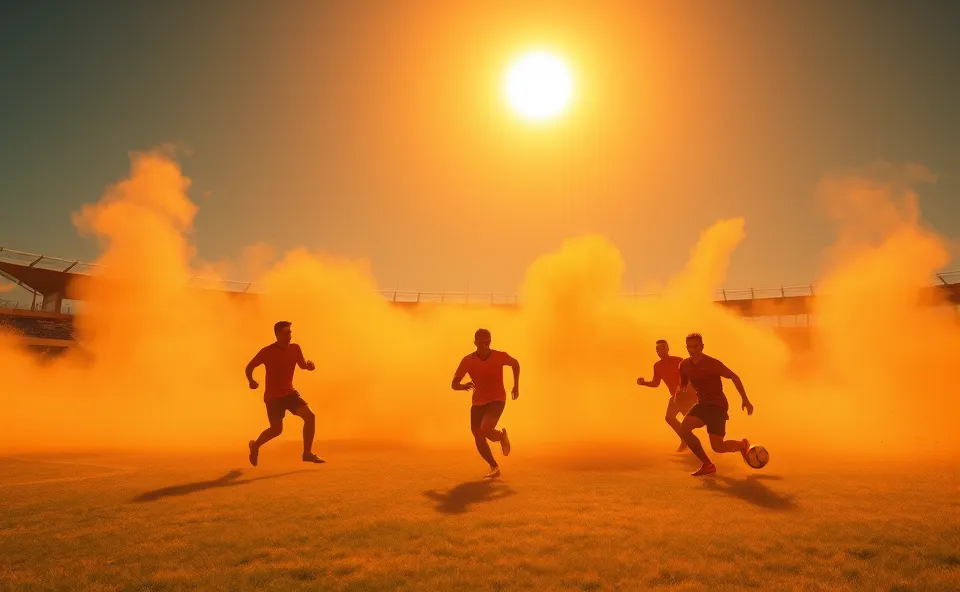
Miami World Cup Match Played Under a Sweltering, Dusty Sky
Imagine this: it’s a huge Miami World Cup quarter-final match, England is playing Norway, and the air is thick with something more than just pre-game tension. We’re talking about a double whammy of extreme weather – scorching heat and a cloud of Saharan dust rolling in. This wasn’t just a tough game; it was a test of endurance under conditions that had scientists and sports organizers raising serious flags about player safety.
Why Everyone’s Talking About This Miami World Cup Game Now
The buzz around this particular Miami World Cup match, the England versus Norway showdown, has intensified because it’s become a stark example of how extreme weather is directly impacting major sporting events. What might have been seen as just a hot day a few years ago is now being viewed through the lens of climate change and its tangible effects. People are searching for information because they want to understand the risks involved when elite athletes compete in such dangerous conditions. It’s a conversation about the intersection of sports, environment, and technology’s role in monitoring and mitigating these issues.
The Backstory: More Than Just a Game
To truly get why this England Norway clash was so noteworthy, we need to look at the context. The Miami World Cup is one of the globe’s most anticipated football events, drawing massive crowds and intense media attention. This year, the city found itself battling a relentless heatwave. Add to that the natural phenomenon of Saharan dust plumes, which frequently travel across the Atlantic, obscuring the sky and impacting air quality. When these two factors combined for such a critical World Cup quarter-final, it wasn’t just about the athletic performance; it was about whether the game should even be played under such challenging circumstances.
Scientists have been warning for years about the increasing frequency and intensity of heatwaves. This is linked to broader climate patterns that are changing weather as we know it. The Saharan dust, while a natural occurrence, can also exacerbate respiratory issues and, when combined with extreme heat, creates a particularly uncomfortable and potentially harmful environment. For a high-stakes football match where players exert themselves to the absolute limit, these conditions present a significant hurdle and a genuine concern for well-being.
The Real Impact: Heat Stress and Player Safety Concerns
The most immediate impact of the extreme heat and Saharan dust on the Miami World Cup quarter-final was on the players themselves. This wasn’t just about feeling uncomfortable; it was about the very real threat of heat stress. Experts use metrics like the wet-bulb index to measure how effectively the body can cool itself. When this index reaches dangerous levels, even physically fit individuals can suffer from heat exhaustion, heatstroke, and other serious medical issues.
Consider the demands of a World Cup quarter-final. Players are sprinting, jumping, and constantly moving for 90 minutes, often with added time. In oppressive heat, their bodies work overtime to regulate temperature. The Saharan dust adds another layer of difficulty, making it harder to breathe deeply and potentially irritating airways. This directly impacts performance, but more importantly, it puts player safety at serious risk.
Beyond the athletes, these conditions also affect the fans. Spectators braving the heat and dust face their own risks, leading to concerns about crowd management and public health. For the organizers of such a massive event like the Miami World Cup, it creates a complex logistical challenge. Decisions have to be made about scheduling, hydration strategies, and medical support, all while ensuring the integrity and excitement of the game are maintained.
This situation also shines a spotlight on technology. Sensors can monitor temperature, humidity, and even air quality in real-time. Data analytics can help predict dangerous conditions. This technology can inform decisions about player breaks, the availability of cooling stations, and whether matches should be delayed or moved. It’s about using innovation to protect people in the face of increasingly unpredictable weather.
Looking Ahead: What’s Next for Sports in Extreme Weather
The England versus Norway Miami World Cup match serves as a critical case study for the future of professional sports. As extreme weather events become more common, organizers will need to adapt. We’re likely to see more sophisticated weather monitoring systems integrated into event planning. This could lead to:
- More flexible scheduling, allowing for matches to be moved or postponed if conditions are deemed too dangerous.
- Increased focus on athlete welfare protocols, with stricter guidelines on hydration, rest periods, and cooling measures.
- Investment in venue technology, such as advanced cooling systems for stadiums or protective canopies.
- Greater collaboration between sports bodies and climate scientists to understand and predict the impact of weather on competition.
The trend is clear: sports can no longer afford to ignore the impact of a changing climate. Events like the Miami World Cup need to be planned with environmental realities at the forefront. The aim is to ensure that the passion and excitement of events like the England Norway game can continue, but without compromising the health and safety of everyone involved. It’s about finding a sustainable balance between athletic pursuit and environmental responsibility.
Frequently Asked Questions
What made the Miami World Cup quarter-final between England and Norway so difficult?
The England Norway Miami World Cup match was played under extremely challenging conditions due to a combination of intense heat and a significant Saharan dust cloud, creating a difficult environment for both players and spectators.
What is heat stress and how does it relate to the Miami World Cup game?
Heat stress occurs when the body can no longer cool itself effectively in hot conditions. For the Miami World Cup football match, the extreme temperatures and humidity significantly increased the risk of heat stress for athletes exerting themselves intensely.
How does Saharan dust affect a football match like the one in Miami?
Saharan dust can reduce air quality and visibility. In the context of the Miami World Cup, it likely made breathing more difficult for the England and Norway players and could have contributed to discomfort and respiratory irritation.
Are there any sports warnings issued for extreme weather like that seen at the World Cup quarter-final?
Yes, when dangerous conditions like extreme heat and poor air quality are present, sports organizations and medical professionals issue warnings. For events like the Miami World Cup, these warnings highlight the risks of heat stress and advise on safety precautions.
What technologies can help manage dangerous conditions at future Miami soccer events?
Technologies like advanced weather monitoring sensors, real-time wet-bulb index trackers, sophisticated stadium cooling systems, and data analytics for predicting and managing extreme weather impacts can help improve safety at future Miami soccer tournaments.











