

The Natural Gas Pipeline Boom: More Than Just Heating Homes
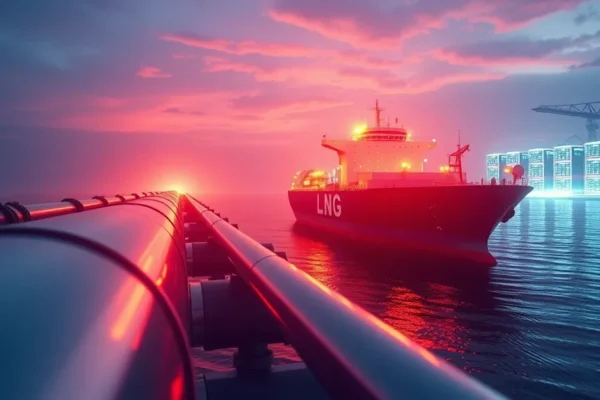
You know how we’re all talking about the need for more energy these days? Well, a big part of that story involves something you might not think about every day: natural gas pipelines. We’re seeing a significant push to build and expand these vital arteries of our energy system, and it’s not just for keeping our houses warm in the winter anymore. Midstream companies, the folks who transport oil and gas, are really stepping up their game to move more natural gas around. This isn’t just a quiet adjustment; it’s a fundamental shift driven by two powerful forces: a massive appetite for liquefied natural gas, or LNG, exports and the ever-growing energy hunger of artificial intelligence, or AI, development.
Why All the Buzz Around Natural Gas Pipelines Right Now?
So, why is everyone suddenly paying so much attention to natural gas pipelines? It’s a perfect storm of global demand and a technological revolution happening right here at home. On the international stage, countries are increasingly looking to natural gas as a cleaner alternative to coal, and the United States is becoming a major player in supplying that need through liquefied natural gas exports. Imagine taking natural gas, cooling it down until it becomes a liquid, shipping it across the ocean, and then turning it back into a gas for use. That whole process requires a steady, reliable flow of natural gas from where it’s produced to the liquefaction facilities. This is where the natural gas pipelines come in, acting as the crucial link.
Then, there’s the AI demand. Artificial intelligence development, especially the kind that powers things like advanced chatbots and complex data analysis, is incredibly energy intensive. Think about all the powerful computers and servers that need constant electricity to run those massive AI models. This soaring energy demand from the AI sector is creating a whole new, significant customer base for reliable energy sources, and natural gas is stepping up to fill a big part of that gap. So, you’ve got this dual pressure: exporting more LNG to the world and powering the digital brains of tomorrow. Both need a lot of natural gas, and that gas needs to get there. That’s why midstream companies are so busy expanding their pipeline networks.
A Quick Look Back: The Foundation of Our Energy Flow
To really get why this pipeline expansion is such a big deal, let’s rewind a bit. For decades, natural gas pipelines have been the backbone of energy delivery in many regions. They’ve been built to transport natural gas from production sites to power plants, factories, and homes. The shale revolution, which really took off in the late 2000s and early 2010s, dramatically increased the amount of natural gas available in North America. This abundance led to a lot of discussion about how to best use it and where to send it. Initially, much of the focus was on meeting domestic energy needs and perhaps some cross-border trade. However, the world’s energy landscape has been shifting, and the US’s role as a global energy supplier has grown significantly.
The concept of liquefying natural gas for export isn’t entirely new, but the scale and ambition of recent projects are unprecedented. We’ve seen significant investments in liquefaction terminals along the coastlines, ready to convert natural gas into LNG for shipment. This development has been a game changer for the energy sector, turning a regional commodity into a global one. Simultaneously, the rapid advancement and adoption of artificial intelligence have caught many by surprise, including energy planners. The sheer scale of computational power required for AI training and operation necessitates a robust and consistent energy supply, and natural gas power plants are often seen as a flexible and relatively cleaner option to meet this growing need, especially when paired with intermittent renewables.
What This All Means for Us and the Energy Sector
This natural gas pipeline expansion has some pretty big implications. For starters, it’s good news for the energy infrastructure sector. Building and maintaining these pipelines creates jobs and stimulates economic activity in the regions where they are developed. It also means more reliable energy delivery for a variety of uses. For consumers, this expansion could contribute to more stable energy prices in the long run, as increased supply and efficient transport can help cushion against price spikes. It’s about making sure the lights stay on and the data centers keep humming.
For the broader energy sector, it signifies a continued, and perhaps even accelerated, role for natural gas in the energy transition. While the world is moving towards renewables, natural gas is often viewed as a bridge fuel. Its ability to provide on demand power makes it valuable for complementing solar and wind energy, which can be intermittent. The growth in LNG exports also positions the United States as a key energy security partner for many nations, influencing global energy politics. Furthermore, the energy demand from AI is not a fleeting trend; it’s a fundamental shift that requires a robust energy infrastructure to support it. This means natural gas pipelines are not just a temporary solution but are becoming a critical component of a diversified energy future, supporting both traditional and emerging energy needs.
Here’s a quick rundown of the impact:
- Increased Energy Access: More pipelines mean more natural gas can reach its destinations, whether it’s an LNG export terminal or a data center.
- Economic Growth: Pipeline construction and operation create jobs and boost local economies.
- Global Energy Influence: Expanded LNG exports enhance the US role in global energy markets.
- Supporting AI Development: Reliable natural gas supply is crucial for powering the energy hungry world of artificial intelligence.
- Energy Transition Role: Natural gas continues to play a significant part in balancing the energy mix as renewables grow.
What’s Next on the Pipeline Horizon?
Looking ahead, we can expect to see continued investment and development in natural gas pipeline infrastructure. The demand from both LNG exports and AI is unlikely to wane anytime soon. We’ll likely see more proposals for new pipelines and expansions of existing ones, carefully planned to connect growing production areas with export hubs and major energy consumption centers. There will undoubtedly be ongoing discussions and debates about the environmental impact of these projects and the best ways to mitigate them, as well as considerations for the long term energy mix.
The midstream companies will continue to innovate in how they transport gas, focusing on efficiency and safety. We might also see more integration between pipeline networks and other energy infrastructure, such as storage facilities and power generation. The key will be balancing the immediate energy needs driven by LNG and AI with the broader, long term goals of energy sustainability and decarbonization. It’s a complex puzzle, but the expansion of natural gas pipelines is a significant piece of it right now.
Frequently Asked Questions About Natural Gas Pipelines and Energy Demand
Why are natural gas pipelines so important for LNG exports?
Natural gas pipelines are the essential link that moves natural gas from where it’s produced, often inland, to coastal terminals where it’s cooled into liquefied natural gas LNG for export. Without a robust network of natural gas pipelines, the efficient transport of this energy source to the liquefaction facilities would be impossible, limiting the United States’ ability to meet global energy demand.
How does AI demand impact the need for more natural gas pipelines?
Artificial intelligence development, especially training and running complex models, requires a massive amount of electricity. Natural gas power plants are often used to provide this reliable, on demand power. Expanding natural gas pipelines ensures there is enough natural gas to fuel these power plants, supporting the growth of AI and other energy intensive digital technologies. This increased energy demand from AI directly fuels the need for more energy infrastructure.
Are midstream companies building new natural gas pipelines or just expanding existing ones?
Midstream companies are pursuing both strategies. In areas with high production and export potential, new natural gas pipelines are often proposed and constructed to create new routes. In other cases, existing pipeline networks are being upgraded and expanded to carry more volume, optimizing the use of current energy infrastructure to meet rising energy demand.
What is the role of natural gas pipelines in the overall energy sector?
Natural gas pipelines are a foundational element of the energy sector. They transport natural gas safely and efficiently from producers to consumers, powering homes, businesses, and increasingly, large scale data centers for artificial intelligence and enabling the export of liquefied natural gas LNG. They are crucial for energy security and flexibility within the broader energy mix.
How will the expansion of natural gas pipelines affect energy prices?
Generally, increasing the capacity and efficiency of natural gas pipelines can lead to more stable and potentially lower energy prices over time. By ensuring a consistent and abundant supply of natural gas reaches its destination for both LNG exports and domestic uses like AI demand, the expansion helps prevent supply shortages that can drive up costs. However, market dynamics are complex and many factors influence energy prices.











