

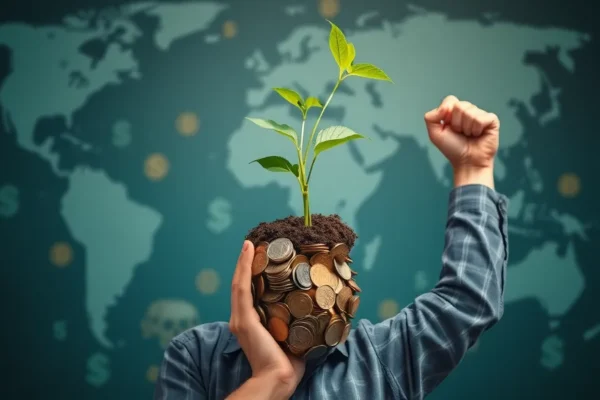
What’s the Deal with Your Money Mindset?
Ever catch yourself thinking about money in a certain way? Maybe you see it as something scarce, always just out of reach, or perhaps you feel a constant pull to hoard every penny. That way of thinking, that internal dialogue you have about money, is what we call your money mindset. It’s like the operating system for your personal finances, shaping how you feel about, interact with, and ultimately manage your money.
It’s not just about how much you earn; it’s about your beliefs, your attitudes, and your assumptions about wealth and financial well being. Think of it as your personal financial psychology. This internal compass guides your decisions, from small daily choices to big life plans. A positive money mindset can unlock opportunities, while a negative one can create invisible barriers, even when financial resources are available.
Why Are We Talking About Money Mindsets More These Days?
Lately, there’s been a growing buzz around the money mindset, and for good reason. In our increasingly connected world, more people than ever are engaged in sending money abroad through remittances and other services. This act of moving funds across borders often brings financial matters to the forefront. When people are focused on the practicalities of sending money to loved ones, they also start reflecting on their own financial situation and their relationship with money.
The rise of digital tools has made international money transfers more accessible, prompting more people to consider their personal finance in a broader context. This heightened awareness naturally leads to questions about how our internal thoughts about money impact our ability to save, invest, and manage our financial lives effectively. It’s a trend born out of necessity and amplified by convenience, pushing us to examine our deepest money beliefs.
A Little History Behind Our Financial Views
Our money mindset doesn’t just appear out of nowhere. It’s something we’ve been building since childhood, influenced by our family’s financial habits, the economic environment we grew up in, and the messages society sends us about wealth and success. Did your parents talk openly about money, or was it a taboo subject? Did you witness them struggling to make ends meet, or did they demonstrate a sense of financial security?
These early experiences and observations shape our subconscious beliefs. If you grew up believing that money is hard to come by, you might develop a scarcity mindset. Conversely, if you saw money being used to create opportunities and experiences, you might foster a more abundance mindset. Over time, these ingrained beliefs become our default setting, influencing our approach to everything from budgeting to taking financial risks.
How Your Money Mindset Shapes Your Financial Journey
The impact of your money mindset on your personal finance is profound. It’s the silent architect of your financial reality.
- Decision Making: A scarcity mindset might lead you to avoid investments or opportunities for fear of loss, even if the potential gains are significant. An abundance mindset, on the other hand, might encourage calculated risks and a belief in future prosperity.
- Saving and Spending Habits: If you believe money is something to be constantly protected, you might become overly frugal, missing out on experiences. If you believe money is a tool for growth and enjoyment, you’re more likely to spend mindfully on things that add value to your life.
- Handling Remittances and Sending Money Abroad: When you’re sending money abroad, your mindset plays a role in how you prioritize these transfers. Do you see it as a burden or an act of love and support? A positive outlook can make managing these transactions feel less like a chore and more like a meaningful act. It also influences how you budget for these outflows, ensuring they don’t negatively impact your own financial stability.
- Attracting Wealth: Many believe that a strong wealth mindset, often linked to an abundance mindset, actually helps in attracting more financial opportunities. It’s about being open to receiving and recognizing the potential for growth.
- Resilience During Tough Times: When financial challenges arise, a positive money mindset provides the resilience to navigate them. Instead of feeling defeated, you’re more likely to look for solutions and believe in your ability to recover.
For individuals regularly involved in remittances, understanding their money mindset is crucial. It helps them balance the desire to support loved ones with their own financial security. It encourages proactive planning rather than reactive scrambling when sending money overseas.
Cultivating a Brighter Financial Future
The good news is that your money mindset is not set in stone. You can actively cultivate a more positive and empowering financial mindset. It’s a journey of self discovery and conscious effort.
Shift Your Beliefs About Money
Start by identifying your negative money beliefs. Are you telling yourself stories like “I’m not good with money” or “Rich people are greedy”? Challenge these beliefs. Ask yourself if they are truly accurate or just ingrained habits of thought. Replace them with empowering affirmations like “I am capable of managing my money well” or “Money is a tool that can be used for good.”
Practice Gratitude for What You Have
Focusing on what you have, rather than what you lack, can shift your perspective towards abundance. Regularly acknowledge the financial resources you do possess, no matter how small they may seem. This fosters a sense of contentment and opens you up to appreciating the flow of money.
Set Clear Financial Goals
Having specific, achievable financial goals gives your money a purpose. Whether it’s saving for a down payment, planning for your child’s education, or ensuring you can comfortably send remittances, clear goals provide direction and motivation. This helps build confidence in your ability to manage your finances effectively.
Embrace Learning About Personal Finance
The more you understand about managing money, budgeting, and investing, the more confident you’ll feel. Knowledge is power when it comes to your finances. Explore resources that explain personal finance in simple terms and help you develop sound financial habits.
Reframe Your Experience with Remittances
If you regularly engage in sending money abroad, reframe this activity. See it not just as an expense, but as an act of love, support, or investment in your family’s future. This positive framing can make the process feel more rewarding and less of a financial drain.
Looking Ahead: Your Money Mindset’s Evolving Role
As technology continues to evolve, making global transactions even smoother, the importance of our internal money mindset will only grow. The ease of sending money abroad means more people will be interacting with international finance regularly. This presents a fantastic opportunity for individuals to strengthen their financial psychology and build robust financial habits.
We’ll likely see more tools and resources emerge that help people understand and cultivate a positive money mindset. This will be especially valuable for those participating in remittances, empowering them to manage their financial flows more effectively and confidently. Ultimately, a strong and positive money mindset is a foundational element for achieving financial well being in our interconnected world.
Frequently Asked Questions About Your Money Mindset
What is a money mindset and how does it differ from financial habits?
Your money mindset refers to your underlying beliefs, attitudes, and thoughts about money. It’s the internal framework that guides your financial behavior. Financial habits, on the other hand, are the actual actions you take with your money, like budgeting, saving, or paying bills. Your mindset influences your habits. For example, a scarcity mindset might lead to a habit of overspending in fear of not having enough later.
How does my money mindset affect my ability to send money abroad?
Your money mindset influences how you view and manage your resources for remittances and sending money abroad. If you have an abundance mindset, you might see these transfers as a manageable part of your budget and feel more confident in your ability to support loved ones. A scarcity mindset could make you feel anxious about the outflow, potentially impacting your overall financial planning and the regularity of your transfers.
Can I change my money mindset if I have a negative financial mindset?
Absolutely. Your money mindset is not fixed. Through conscious effort, self awareness, and practice, you can cultivate a more positive financial mindset. This involves identifying limiting money beliefs, challenging them, and replacing them with empowering thoughts. It’s a journey that involves developing new financial habits and a renewed perspective on wealth.
What are the key components of a wealth mindset?
A wealth mindset often includes elements of an abundance mindset, such as believing in the unlimited potential for financial growth, focusing on opportunities rather than obstacles, being open to learning and receiving, and having a long term vision for financial success. It’s about seeing money as a tool for creating value and achieving goals.
How can understanding financial psychology help with personal finance, especially with remittances?
Understanding financial psychology provides insights into why you make certain financial decisions. For personal finance, this means recognizing how your emotions and beliefs influence your spending, saving, and investing. When it comes to remittances and sending money abroad, understanding your psychology helps you manage the emotional aspect of sending funds, plan more effectively, and ensure these transfers align with your broader financial well being.











