

A quiet way to stay connected
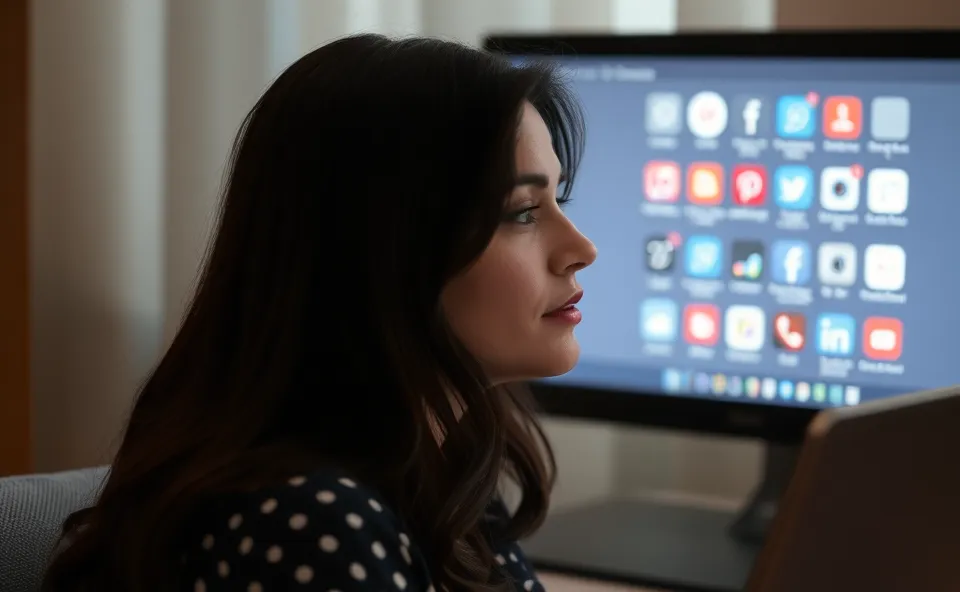
Imagine your phone is sitting on a table. Suddenly, it vibrates. Then it pings. Then it lights up again. For most of us, this is just a normal part of the day. But for Monica Lewinsky, those little sounds and lights represent something much more intense. Instead of letting her device dictate her mood, she has made a very specific choice. She has decided to turn off her notifications.
This is not about being anti-technology. It is actually about being pro-human. Monica Lewinsky has spoken about how she manages her online presence by being intentional rather than reactive. She does not sit around waiting for the next buzz or alert to tell her how to feel. By silencing the constant stream of incoming data, she protects her nervous system from the frantic pace of the digital world. She chooses when to enter the conversation, rather than letting the conversation pull her in at any random moment.
This approach allows her to engage with social media on her own terms. She uses her platform for online activism and meaningful connection, but she does not let the constant pinging of her phone disrupt her peace of mind. It is a form of digital boundary setting that many people are starting to find incredibly inspiring.
Why we are all paying attention to this approach
You might wonder why a celebrity’s phone settings are suddenly a topic of interest. The reason is simple: we are all feeling the burnout. We live in an era where the attention economy is at an all time high. Every app on your phone is designed by thousands of engineers whose sole job is to keep you looking at the screen for as long as possible. They use notifications as hooks to pull you back in, creating a cycle of constant distraction.
People are searching for ways to reclaim their time and their mental health. When we see someone like Monica Lewinsky, who has lived a very public life, practicing this kind of discipline, it feels like a roadmap. We are looking for permission to unplug. We are looking for ways to exist in a digital world without feeling like we are constantly under attack or constantly behind. Her method is trending because it offers a practical solution to a very modern problem: digital fatigue.
The conversation is shifting from how to use more technology to how to use technology more wisely. We are realizing that being constantly available is not actually a superpower. In fact, it might be a weakness that drains our energy and focus. Her choice to prioritize her own well-being over digital immediacy is a powerful message for a generation that feels tethered to their devices.
Lessons learned from a digital storm
To understand why this approach is so vital for her, we have to look at the history. Monica Lewinsky has experienced the darkest side of the internet firsthand. She was one of the first people to deal with the massive, global scale of cyberbullying and public scrutiny in the early days of the web. She lived through a time when the internet was a wild, unmoderated frontier where personal lives could be dismantled in a matter of hours.
That kind of experience leaves a mark on your nervous system. When you have been the target of intense online vitriol, your brain learns to associate the digital world with a threat. For someone like her, a single notification could be the start of a wave of negativity. Her decision to limit notifications is a direct response to that history. It is a way to create a buffer between her inner peace and the chaos of the public square.
She has transformed her experience into a tool for change. Instead of retreating from the internet entirely, she has learned how to navigate it without letting it consume her. This context is important because it shows that her behavior is not just a trend or a lifestyle choice. It is a survival strategy that has been refined through years of intense public experience. She understands the cost of being perpetually connected, and she is unwilling to pay it any longer.
A shift in how we interact with technology
The impact of this kind of user behavior goes far beyond one person. It signals a larger change in how we view our relationship with technology. For years, the goal of social media companies was to increase engagement at any cost. Success was measured by how many times a user checked an app or how many notifications they responded to. But we are reaching a breaking point.
As more people adopt these kinds of digital detox habits, the market begins to shift. We are seeing a growing demand for tools that promote mindfulness rather than addiction. This has several major implications:
- For Users: There is a growing movement toward self-care and setting digital boundaries. People are learning that they have the right to privacy and the right to be unavailable.
- For Businesses: Companies that focus on intrusive, attention-grabbing tactics may eventually lose users to platforms that respect human attention and mental health.
- For Technology: We might see the rise of more intentional design. Instead of apps that fight for every second of your time, we may see tools designed to help you get in, do what you need to do, and get out.
This shift represents a pushback against the idea that we must always be on. It challenges the notion that our value is tied to how quickly we respond to a message or how much of the news cycle we consume. It is a movement toward a more balanced digital life where technology serves us, rather than us serving technology.
The next chapter of digital life
Looking ahead, it is likely that the way we manage our online presence will become even more sophisticated. We are moving away from the era of constant connectivity and into an era of intentional connectivity. We can expect to see more features built into our devices that allow for deeper levels of control. This might include smarter ways to filter what is important and what is just noise, or even deeper integration between our digital habits and our overall wellness.
We will also likely see a change in how online activism works. In the past, being an activist meant being loud and being everywhere at once. In the future, effective activism might require more deep thinking and sustained energy. This means that people in leadership roles will need to practice the kind of digital discipline that Monica Lewinsky advocates. You cannot lead a movement if you are constantly being distracted by the latest viral outrage.
The goal is not to delete our accounts or live in a cave. The goal is to create a world where we can use the internet for its incredible benefits without sacrificing our mental health. As we learn more about the impact of constant stimulation on the human brain, our digital habits will continue to evolve toward something much more sustainable and healthy.
Common questions about staying sane online
How does Monica Lewinsky use notifications to help her mental health?
By turning off her notifications, Monica Lewinsky prevents her nervous system from being constantly triggered by unexpected pings. This allows her to engage with social media on her own terms, ensuring that she is choosing when to participate rather than being forced into a reactive state.
What is the connection between social media and the nervous system?
Social media is designed to trigger dopamine responses through constant alerts and social validation. For many, this constant stream of information can keep the nervous system in a state of high alert, leading to stress, anxiety, and burnout.
Can a digital detox improve online activism?
Yes. A digital detox can help activists preserve their energy and mental clarity. By stepping away from the noise, they can focus on deeper, more meaningful work rather than getting lost in the endless cycle of immediate reactions and minor controversies.
How does cyberbullying affect a person’s online presence?
Cyberbullying can make a person feel unsafe or hyper-vigilant when they are online. This often leads to a change in how they manage their online presence, with many choosing to set much stricter boundaries or limit how they interact with the public to protect their well-being.
Why is privacy important in the age of social media?
Privacy is essential for mental health and personal safety. In a world where every move can be tracked and every word can be scrutinized, maintaining privacy allows individuals to have a space for growth and reflection that is not subject to the constant judgment of the digital crowd.











