

Things Are Heating Up for Home Loans
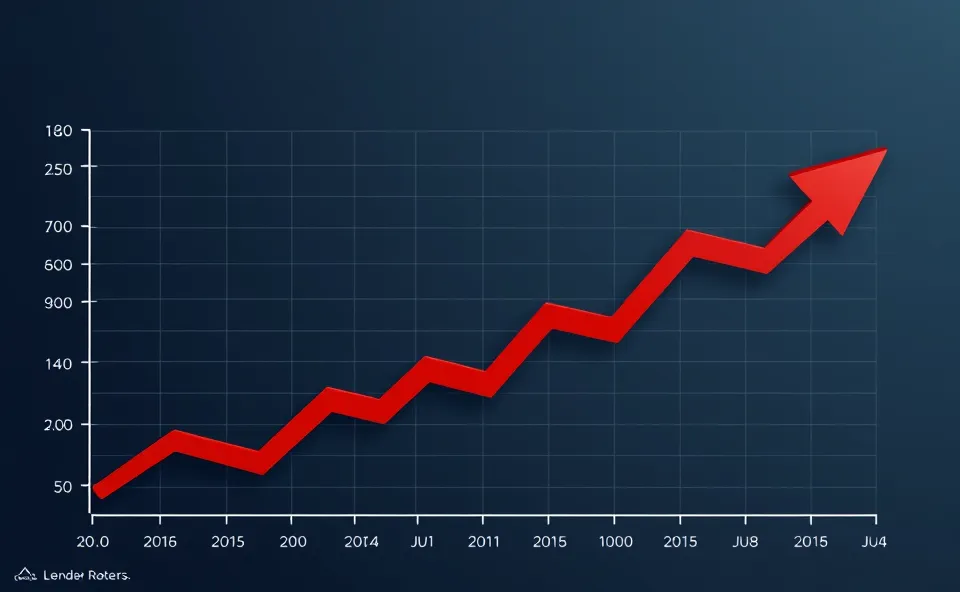
Alright, let’s talk about something that’s on a lot of people’s minds right now: mortgage rates. You’ve probably seen headlines or heard whispers about them going up. Well, a recent weekly survey of mortgage lenders just dropped, and it’s showing a pretty clear picture. Basically, the cost of borrowing money for a home is climbing. It’s not just a little nudge either; the numbers suggest a significant jump, making those dream homes a bit more expensive to finance.
Why All the Buzz About Mortgage Rates Now?
So, why are we talking about this specific weekly survey right now? It’s all about timing and impact. When interest rates on home loans surge, it immediately grabs attention because it affects so many people. Whether you’re a first-time buyer dreaming of your own place, someone looking to refinance their existing mortgage to save money, or just curious about the health of the housing market, rising mortgage rates are a big deal. This survey gives us a snapshot from the people actually handing out these home loans, so it’s a pretty reliable indicator of where things are headed. It tells us that the conversation around affordability and borrowing costs is suddenly front and center again.
A Quick Look Back at Borrowing Costs
To really get what’s happening with mortgage rates today, it helps to remember what things were like not too long ago. For a good stretch, interest rates were historically low. This created a fantastic environment for buying homes and also for people wanting to refinance their existing mortgages. Many homeowners locked in incredibly low loan rates, which made their monthly payments more manageable. This period of low borrowing costs fueled a lot of activity in the housing market. People felt more confident taking out larger home loans because the interest payments were a smaller part of the overall cost. Now, we’re seeing a shift away from that super-friendly borrowing landscape. This recent surge in mortgage rates marks a return to a more typical, and for many, more challenging, borrowing environment.
What This Means for You and the Housing Market
The impact of these rising mortgage rates is pretty widespread. For potential homebuyers, it means their monthly payments will go up even if they’re looking at the exact same priced home as they were a few months ago. This could price some people out of the market or force them to look at smaller or less expensive properties. Think about it: a small increase in the interest rate can add hundreds of dollars to your monthly payment over the life of a 30-year loan.
For those considering a refinance, the attractive deals of the past are likely gone. Refinancing typically makes sense when you can get a lower interest rate than your current loan. With rates climbing, the savings from refinancing might be minimal or even non-existent, making it less appealing.
On a larger scale, this impacts the housing market. When borrowing becomes more expensive, demand for homes can cool down. This could lead to slower home sales and potentially put downward pressure on home prices, though that’s a complex outcome with many factors involved. It also affects the broader economy, as housing is a significant driver of consumer spending and business activity. Mortgage lenders themselves will also feel the pinch as the volume of new loans might decrease, and refinance business dries up. This is definitely a key piece of financial news for anyone involved in buying, selling, or owning property.
Where Might Mortgage Rates Go Next?
Looking ahead, it’s always tricky to predict the exact path of interest rates, but we can make some logical observations based on current trends and economic signals. The recent surge in mortgage rates is often tied to broader economic factors, such as inflation and central bank policies aimed at controlling it. If inflation remains stubbornly high, central banks might continue to raise their key interest rates, which typically pushes mortgage rates higher.
Conversely, if inflation shows signs of cooling down or if the economy starts to slow more significantly, central banks might pause or even reverse their rate hikes. This could lead to mortgage rates stabilizing or even starting to decline. We’ll likely see continued monitoring of economic data, especially inflation reports and employment figures, as these will be key in guiding future decisions by monetary policymakers. For borrowers, this means staying informed and potentially acting when conditions seem most favorable, although the window for extremely low loan rates appears to have closed for now.
Your Questions About Rising Mortgage Rates Answered
What are current mortgage rates looking like according to the latest survey?
The latest weekly survey of mortgage lenders indicates a noticeable increase in mortgage rates. This means that the interest rates you’d be offered for new home loans are higher than they were recently, impacting the overall cost of borrowing for a property.
Why are mortgage lenders seeing an increase in interest rates?
Several factors can influence why mortgage lenders observe rising interest rates. These often include broader economic conditions, such as inflation, and actions taken by central banks to manage the economy. When the cost of borrowing for banks goes up, they typically pass that along in the form of higher loan rates to consumers.
How does this surge in mortgage rates affect someone looking to refinance their home loans?
If you were planning to refinance your home loans to get a lower interest rate, the current surge makes this less attractive. The savings you might have expected from a refinance could be significantly reduced or even eliminated because the new mortgage rates are climbing, making it harder to beat your existing loan rate.
What is the impact of these higher interest rates on the housing market?
Higher interest rates generally make buying a home more expensive, which can lead to a slowdown in demand for housing. This could potentially affect home sales volume and, in some cases, influence home price trends. It’s a key piece of financial news that impacts the entire housing market ecosystem.
Should I be worried about these rising mortgage rates if I’m a first-time homebuyer?
As a first-time homebuyer, rising mortgage rates mean that your monthly payments for a home loan will likely be higher than if you were buying a few months ago. It’s important to reassess your budget and understand how these new borrowing costs affect your affordability. Staying informed about the latest financial news and consulting with a mortgage professional can help you navigate this changing landscape.











