

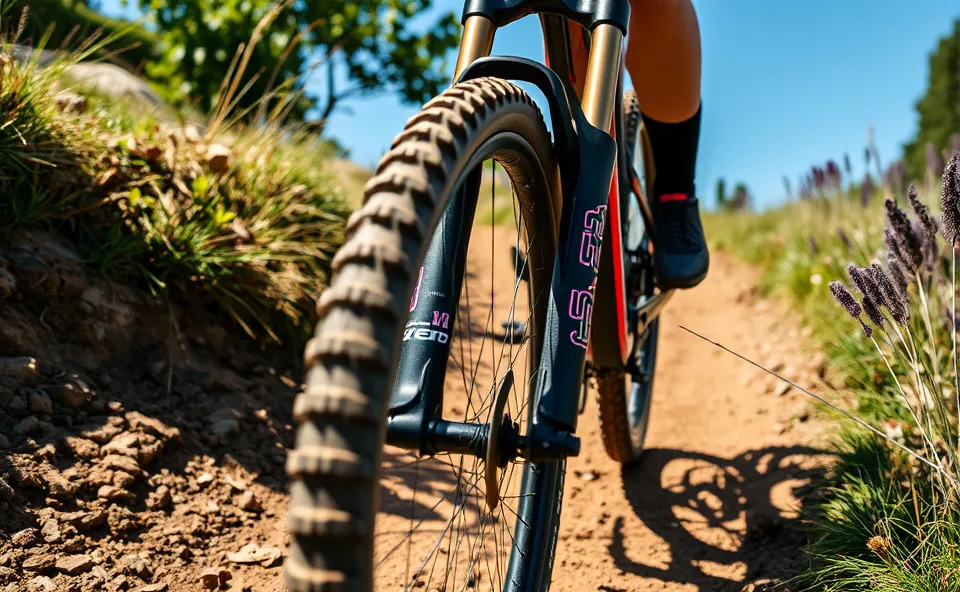
The Magic Behind a Smooth Ride
Imagine you are flying down a dirt trail on your bike. The wind is in your face and the scenery is beautiful. Suddenly, you hit a massive tree root or a jagged rock. Without the right gear, that impact would send a violent shock through your wrists, your elbows, and even your spine. It would feel like a sudden hammer blow, potentially knocking you off balance or causing you to lose control. This is where mountain bike suspension comes into play. It is the invisible hero that turns a bone-jarring ride into a smooth, flowing experience.
At its simplest, mountain bike suspension is a system of springs and dampers designed to absorb the energy from bumps. When your bike hits an obstacle, the suspension compresses to soak up that energy instead of passing it directly to your body. This allows the wheels to stay in contact with the ground more effectively, which means you have much better control over your steering and braking. There are two main components you need to know about: the front bike fork and the rear bike shock.
The front bike fork is the part that holds your front wheel and allows you to steer. When you hit a bump with your front tire, the stanchions of the fork slide into the lower legs, compressing the internal spring. This absorbs the initial hit. On a full suspension mountain bike, you also have a rear bike shock located near the center of the frame. This component works with the rear wheel to manage impacts from behind, keeping the back of the bike stable and preventing it from bouncing uncontrollably. Together, these two parts create a cohesive system that manages the chaos of the trail.
Why Everyone is Searching for Better Setup Secrets
If you spend any time in cycling forums or watching mountain biking videos, you will notice that people are obsessed with their suspension. This is not just because riders want to look professional. There is a very practical reason for this growing interest. The way people ride has changed. In the past, most casual riders stayed on smooth, flat paths. Today, more people are heading into the woods to tackle technical trails, rocky descents, and steep climbs.
The rise of e-bikes has also played a massive role in this trend. Because electric mountain bikes are heavier and can go faster, they hit obstacles with much more force. This means the demand for high-quality MTB suspension has skyrocketed. Riders are realizing that just having a bike with suspension is not enough. They want to know how to optimize it. They want to know how to make their bike feel like an extension of their own body. This has led to a huge surge in searches for information on suspension tuning and how to get the most out of their gear.
From Rigid Frames to High Tech Machines
To understand why modern suspension is so impressive, you have to look back at where we started. For a long time, mountain bikes were essentially just reinforced versions of road bikes. They had rigid frames and no suspension at all. If you wanted to ride over rocks, you simply had to prepare for a very bumpy and uncomfortable ride. This was known as a hardtail setup, where you only have suspension in the front fork.
As mountain biking evolved from a niche hobby into a global phenomenon, engineers began finding ways to integrate shock absorbers into the frame itself. This led to the birth of the full suspension mountain bike. Early versions were often heavy and clunky, but they opened up a whole new world of possibilities. Riders could suddenly tackle much steeper and more technical terrain without fear. Over the decades, the technology shifted from simple heavy springs to sophisticated air systems and oil-based damping. This evolution has turned mountain bike suspension from a luxury item into a fundamental piece of performance technology.
How Great Suspension Changes Everything
The impact of a well-tuned suspension system cannot be overstated. It changes the way you interact with the trail, your confidence levels, and even how long you can ride before getting tired. When your bike suspension is working correctly, you spend less energy fighting the bike and more energy enjoying the ride. This has a massive impact on the user experience and the market for high-end bike components.
There are several key factors that define how your suspension performs:
- Suspension travel: This refers to the total distance the fork or shock can move. More travel generally means more cushion for big hits, which is why downhill bikes have much more travel than cross-country bikes.
- Suspension tuning: This is the process of adjusting your bike to match your weight and riding style. It involves setting the sag, which is how much the bike sinks under your weight, and adjusting the compression and rebound.
- Traction and control: A good suspension setup ensures that your tires stay pressed against the dirt. If your wheels are bouncing off the ground, you cannot brake effectively or turn accurately.
- Fatigue reduction: By absorbing the constant chatter of the trail, your suspension protects your muscles and joints from the repetitive stress of riding.
Understanding MTB suspension types is also crucial for making the right choice. Most modern riders choose between air suspension and coil suspension. Air suspension is lighter and much easier to tune for different riders, making it a favorite for most trail and cross-country riders. Coil suspension uses a physical metal spring, which offers a very consistent and plush feeling, though it is heavier and harder to adjust. Choosing the right one can completely change the personality of your bike.
The Next Frontier of Mountain Biking
Looking ahead, the world of bike suspension is moving toward even greater intelligence and integration. We are already seeing the beginnings of electronic suspension. Imagine a system that uses sensors to read the terrain in real time and automatically adjusts your suspension settings every few milliseconds. If you hit a smooth climb, the suspension becomes firm to help you pedal efficiently. The moment you hit a rocky descent, it instantly softens to soak up the bumps.
We can also expect to see even more advanced materials being used to reduce weight without sacrificing strength. As data collection becomes more common, riders will likely have access to apps that analyze their suspension performance during a ride. This will make professional level suspension tuning accessible to everyone, not just elite racers. The goal is a bike that feels perfectly tuned for every single second of your journey, regardless of how difficult the trail becomes.
Frequently Asked Questions
What is the main difference between a front bike fork and a rear bike shock?
The front bike fork is located at the steering column and manages impacts to the front wheel while allowing you to steer. The rear bike shock is part of the frame linkage and manages impacts to the rear wheel, helping to keep the back of the bike stable and providing traction.
How can I tell if my MTB suspension needs tuning?
If your bike feels too bouncy, too stiff, or if you find yourself bottoming out frequently on small bumps, your suspension likely needs tuning. You can also tell if your suspension setup is wrong if the bike feels unpredictable or if you are experiencing excessive fatigue after short rides.
What are the most common MTB suspension types?
The two most common types are air suspension and coil suspension. Air suspension uses pressurized air to act as the spring and is highly adjustable. Coil suspension uses a metal spring, which provides a very smooth and consistent feel but is typically heavier.
Does more suspension travel always mean a better ride?
Not necessarily. While more suspension travel allows you to ride much rougher terrain, it can make the bike feel less efficient on climbs or smoother trails. The right amount of travel depends on your specific riding style and the type of terrain you usually encounter.
Why is suspension tuning important for beginners?
Even for beginners, proper suspension tuning is vital for safety and confidence. A bike that is set up correctly for your weight will be much easier to control, which helps prevent accidents and allows you to learn new skills much faster on the trail.











