

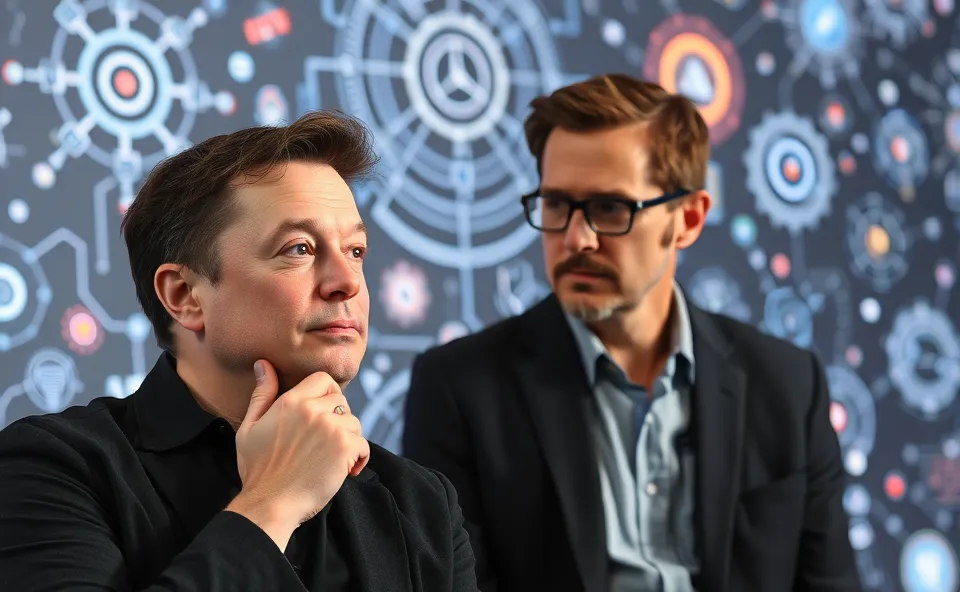
Did Elon Musk Want His Kids to Run OpenAI?
So, you’ve probably heard some buzz about Sam Altman and Elon Musk lately. It all stems from Sam Altman’s recent testimony where he dropped a bombshell: Elon Musk apparently considered handing over control of OpenAI to his children. This wasn’t just a passing thought; it was something Altman apparently worried about as OpenAI grew into the powerhouse it is today, especially when it comes to handling incredibly advanced AI.
Why This Story is Suddenly Everywhere
Why are we talking about this now? Well, Sam Altman’s testimony brought this fascinating detail into the public spotlight. As the CEO of OpenAI, his words carry a lot of weight. People are curious about the early days of a company that has so dramatically reshaped the tech industry. Understanding who wanted what, and why, helps us get a clearer picture of how OpenAI leadership evolved and why certain decisions were made. It’s like uncovering a secret chapter in a major tech story, and everyone wants to know what’s inside.
A Look Back at the Genesis of OpenAI
To really understand this, we need to rewind a bit. OpenAI started with a big, ambitious goal: to ensure that advanced AI benefits all of humanity. Back then, Elon Musk was a co-founder, and the organization was set up as a non-profit. Sam Altman, who had a successful stint at Y Combinator, was also involved early on. The idea was to pool resources and talent to develop AI safely and responsibly.
However, as the potential of AI became clearer and the technology began to advance rapidly, the structure of OpenAI became a topic of discussion. The need for significant investment to keep pace with development became apparent. This led to the creation of a capped-profit arm, which brought in outside investors. During this formative period, discussions about the future direction and control of OpenAI were constant. Altman’s recent testimony shines a light on one of those intense conversations, highlighting Musk’s particular vision for its leadership.
What Does This Mean for Us and the Future of AI?
This revelation has significant implications. For starters, it raises important questions about corporate control and the stewardship of powerful technology like advanced AI. When you have a company like OpenAI developing tools that could fundamentally change our world, who should be in charge? Sam Altman’s expressed concerns about single-person control are crucial here. He’s suggesting that the immense power that comes with leading the development of advanced AI shouldn’t rest solely in the hands of one individual, regardless of their vision or influence.
Think about it. Advanced AI has the potential to revolutionize everything from medicine to transportation, but it also comes with risks. Having a clear, well-defined leadership structure that prioritizes safety and broad benefit, rather than personal or familial control, is vital. Altman’s perspective, shaped by his experiences in startup leadership and now at the helm of OpenAI, emphasizes the need for a robust governance model. This isn’t just about who signs the checks; it’s about who makes the critical decisions that shape the direction and ethical deployment of AI technology for everyone.
This also affects how we think about AI ownership. Is it something that should be held by individuals, families, or a broader collective? The early ideals of OpenAI were about benefiting humanity. Altman’s testimony and his concerns push us to think critically about whether that goal is best served by a singular vision or a more distributed form of oversight. It impacts the trust we place in these organizations and the technology they create.
Where Do We Go From Here?
Looking ahead, this revelation will likely fuel ongoing discussions about AI governance and the structure of AI development companies. We can expect continued scrutiny of OpenAI’s leadership and decision-making processes. The emphasis on the potential dangers of single-person control over advanced AI is a signal that robust ethical frameworks and transparent governance are more important than ever.
It might also lead to more conversations within the tech industry about how to balance innovation with responsibility, and how to ensure that powerful technologies are developed in a way that is beneficial and safe for society as a whole. The public’s interest in Elon Musk AI and the inner workings of OpenAI leadership will undoubtedly remain high.
Your Burning Questions Answered
What was Sam Altman’s main point in his recent testimony about Elon Musk and OpenAI control?
Sam Altman’s testimony highlighted that Elon Musk had considered handing over control of OpenAI to his children. Altman expressed concerns about the potential risks associated with a single individual having such immense control over advanced AI development.
Why is the idea of Elon Musk’s children potentially controlling OpenAI significant?
This is significant because OpenAI is at the forefront of developing advanced AI, a technology with profound societal implications. The idea raises questions about corporate control, AI ownership, and whether such critical technology should be subject to individual or familial leadership rather than a more structured, collective governance model focused on broader human benefit.
How does Elon Musk’s past involvement with OpenAI relate to this new information?
Elon Musk was a co-founder of OpenAI, which initially began as a non-profit aiming to benefit humanity. His early involvement and subsequent discussions about the company’s direction, including his vision for its leadership, provide context for Sam Altman’s testimony and reveal potential divergences in their views on OpenAI control and development.
What are the implications of Sam Altman’s testimony for the future of advanced AI development?
Sam Altman’s testimony emphasizes the importance of thoughtful governance and the potential dangers of concentrated power in advanced AI development. It suggests a need for structures that prevent single-person control and ensure that AI is developed ethically and for the benefit of all, impacting how we think about startup leadership and AI ownership.
How does this story fit into the broader context of tech industry news and Sam Altman’s role at OpenAI?
This story is a key piece of tech industry news, offering a glimpse into the critical early decisions shaping one of the world’s most influential AI companies. It underscores Sam Altman’s perspective on responsible AI leadership and the challenges of managing a rapidly evolving technology, particularly in contrast to different visions for OpenAI control that have emerged over time.











