

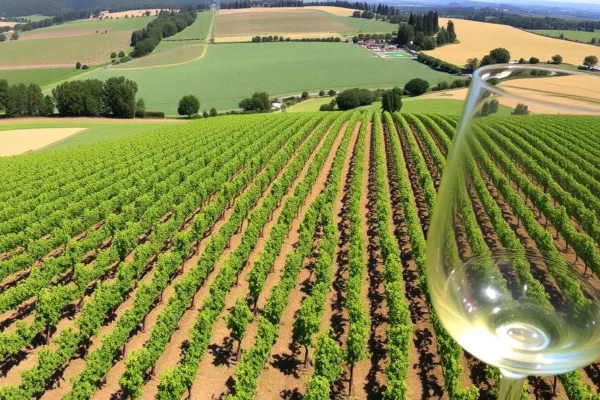
The Shifting Tastes Affecting Napa Valley Wine
Understanding a specific industry’s challenges, like the one facing Napa Valley wine, helps us grasp broader economic shifts. Think of it like understanding why your favorite local bakery might be struggling. It’s not just about the bread; it’s about changing customer preferences, rising ingredient costs, and competition from larger chains. In the world of finance and economics, we call this understanding the interplay of supply and demand, market trends, and business viability. For those interested in the agricultural industry or the beverage market, observing these shifts in a prominent region like Napa Valley provides valuable insights into how economic pressures can impact even well-established businesses.
How Economic Forces Shape the Wine Business
The challenges facing the Napa Valley wine industry today can be seen as a complex puzzle with several interlocking pieces. One of the primary issues is declining consumption of traditional wine. Imagine a popular restaurant that has always served a certain type of dish. If diners start craving new flavors and healthier options, that restaurant might see fewer customers. Similarly, wine consumption trends are evolving. Younger generations, for instance, may be more drawn to other beverages like craft beers, hard seltzers, or spirits, leading to a decrease in overall wine demand. This shift impacts not just wineries but also the entire supply chain, from vineyard management to distributors and retailers.
Another significant challenge is vineyard uprooting. This means growers are removing established grapevines. Why would someone do this? Often, it’s because the current grape varietals they are growing are no longer as profitable due to changing market demands or increased production costs. For example, if a region is known for a type of apple that is no longer popular with consumers or is too expensive to grow profitably, farmers might switch to growing berries that are in higher demand. In Napa Valley, some growers might be uprooting Cabernet Sauvignon or Chardonnay vines to plant something else, or even to repurpose the land for other uses if grape farming becomes economically unviable.
Finally, business failures are a consequence of these pressures. When fewer people are buying wine, and the costs of production (like labor, water, and land) increase, some wine businesses, especially smaller ones, can struggle to stay afloat. This is akin to a small independent shop facing fierce competition from online retailers and large supermarkets; if they can’t adapt or differentiate themselves, they may eventually have to close. The economic challenges in the Napa Valley wine industry highlight the precarious nature of operating within a dynamic market.
Why These Trends Matter to Your Finances and the Economy
Understanding these shifts in Napa Valley wine has ripple effects. For individuals, it can influence the price and availability of wines they enjoy. If production decreases, you might see certain bottles become more expensive or harder to find. It also affects how we think about investing. For instance, if you consider investing in the stock of a wine company or even a winery directly, understanding these market trends is crucial for making informed decisions. The economic impact is also significant. Napa Valley is a major part of California’s agricultural industry and a significant player in the global beverage market. When businesses struggle, it can lead to job losses for vineyard workers, winemakers, hospitality staff, and others in related sectors. This can affect local economies and even contribute to broader economic slowdowns if the impacts are widespread. The beneficiaries of these shifts are often those who are adapting to new market trends, such as producers of alternative beverages or wineries that have successfully pivoted their product offerings or marketing strategies. Those negatively affected are typically those tied to traditional wine production who haven’t been able to adapt.
A Look at the History and Current State of Napa Valley Wine
Napa Valley has a long and storied history in the California wine industry, gaining international recognition for its high-quality wines, particularly Cabernet Sauvignon, since the mid-20th century. Its reputation was cemented by events like the 1976 Judgment of Paris, where Napa wines famously outshone French counterparts. For decades, Napa Valley wine was synonymous with premium quality and desirability, attracting significant investment and tourism.
However, the landscape has been evolving. While Napa still holds its prestigious image, it faces new realities. Data from the Wine Institute, a trade association, often highlights shifts in per capita wine consumption in the United States. For example, while overall U.S. wine consumption has seen moderate growth in recent years, the growth is largely driven by sparkling wines and certain imported varietals, while some still red and white wine categories have faced stagnation or decline, particularly among younger adult demographics. This doesn’t mean Napa Valley wine is disappearing, but the days of guaranteed demand for every bottle produced are changing. Climate change also presents significant challenges, impacting vineyard management through extreme weather events like droughts and wildfires, increasing operational costs and risks for winemakers. These environmental and market pressures are what have triggered current interest in the region’s long-term sustainability and the economic viability of its wine business.
Navigating the Future of Wine Production
For the Napa Valley wine industry to survive and thrive, several strategies are being explored and implemented. Think of this like a seasoned chef who notices fewer people ordering their signature dish. They might introduce new menu items, offer cooking classes, or emphasize locally sourced ingredients to attract a broader audience.
One key strategy is diversification. This means not just relying on one or two grape varietals but exploring others that may be more resilient to climate change or in higher demand. It also involves diversifying the business model beyond just selling wine bottles, perhaps focusing more on wine tourism, direct-to-consumer sales through wine clubs, or even creating wine-related experiences and hospitality services.
Another approach is innovation in vineyard management and winemaking. This could involve adopting more sustainable farming practices, using technology to optimize water usage, or experimenting with new styles of wine that appeal to evolving consumer tastes. For example, winemakers might explore lower-alcohol options or wines that are perceived as healthier.
Marketing and branding also play a crucial role. Napa Valley can leverage its established reputation for quality while also highlighting its adaptability and commitment to innovation. This could involve targeted marketing campaigns aimed at specific demographics or new international markets. Understanding the broader beverage market and adapting to market trends is essential.
Connecting Napa Valley’s Woes to Broader Economic Concepts
The situation in Napa Valley is a microcosm of larger economic forces affecting many industries. The concept of shifting consumer preferences is fundamental to understanding how markets change. This is closely linked to demand elasticity, which refers to how much the demand for a product changes when its price changes. If consumers are less sensitive to price changes for a product (inelastic demand), businesses have more room to adjust. However, for many goods, including wine, demand can be quite elastic, meaning price increases can lead to significant drops in sales.
The challenges also highlight the importance of diversification in business and investment portfolios. Relying too heavily on a single product or market, whether it’s a single grape varietal for a winery or a single stock for an investor, can be risky. Understanding market trends and economic cycles is crucial for navigating these changes. The Napa Valley wine industry’s situation is also a case study in how the agricultural industry is impacted by both environmental factors and consumer behavior.
Common Questions About the Napa Valley Wine Downturn
Here are some questions people often have about the challenges facing Napa Valley wine:
- How does declining wine consumption affect the broader beverage market? Declining demand for one segment of the beverage market, like traditional still wines, can create opportunities for growth in other segments such as craft beers, spirits, or ready-to-drink cocktails, shifting market share and investment focus.
- Can individual winemakers control these market trends? While individual winemakers cannot control broad societal shifts in consumption, they can influence their own business by adapting their product offerings, marketing strategies, and sales channels to align with or even shape emerging market trends.
- What are the risks for investors in the wine industry? Investors in the wine industry face risks related to changing consumer tastes, environmental challenges affecting grape harvests, increased production costs, and competition from other beverage categories, all of which can impact profitability and investment returns.
- How does vineyard uprooting impact the supply of Napa Valley wine? Uprooting vineyards directly reduces the future supply of grapes from those specific plots, potentially leading to higher prices for the remaining grapes or wines if demand remains strong, or further market contraction if demand continues to fall.
- Are there any success stories in the Napa Valley wine industry despite these challenges? Yes, many Napa Valley wineries have successfully adapted by focusing on niche markets, embracing sustainable practices, enhancing visitor experiences, and developing strong direct-to-consumer sales channels, demonstrating resilience through innovation.
- Can individuals help support the Napa Valley wine industry? Consumers can support the industry by continuing to purchase Napa Valley wines they enjoy, exploring new wineries and varietals, and participating in wine tourism if feasible, thereby contributing to sales and the local economy.
Financial situations vary greatly from person to person. This article is for educational purposes only and does not constitute financial advice. It is essential to consult with a qualified financial professional for personalized advice tailored to your specific circumstances before making any financial decisions.











