

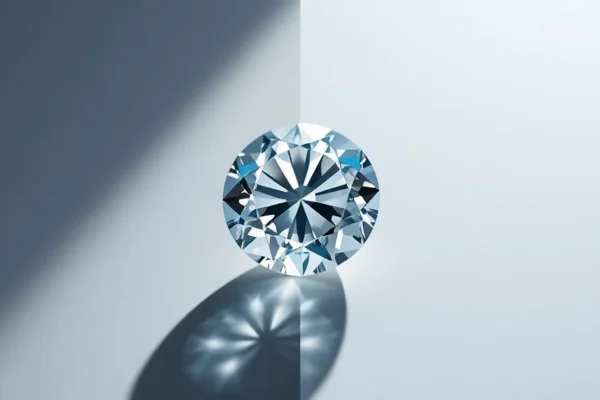
Understanding Scarcity and Value in the Diamond Market
At its core, the diamond market is a classic lesson in economics: the relationship between scarcity and perceived value. In finance, a product’s value is often determined by its utility, its rarity, and the story we tell about it. Think of a natural diamond like a piece of vintage art. Its value is tied to the fact that it took millions of years for nature to create it, and there is a finite supply buried deep within the earth.
In contrast, lab-grown diamonds are created in a controlled factory setting using technology that mimics the high pressure and heat of the earth. If you have ever compared a hand-painted portrait to a high-quality digital print, you understand the tension here. Both look similar to the naked eye, but the market treats them very differently. Understanding this dynamic is crucial for consumers because it shifts how we view luxury goods as potential stores of value versus items for immediate consumption.
The Battle Between Natural Diamonds and Lab-Grown Alternatives
The mechanism driving this competition is a shift in consumer trends. De Beers, the titan of the gemstone industry, has historically controlled a large portion of the market by managing the supply of natural diamonds. Their strategy relies on the “value proposition” of natural diamonds, which is rooted in geological rarity and emotional symbolism.
Imagine two jewelry stores side-by-side. Store A sells natural diamonds extracted from mines, which have high operational costs and a long, complex supply chain. Store B sells synthetic diamonds, which can be produced in weeks for a fraction of the cost. Because the production cost of lab-grown diamonds has plummeted due to better technology, their market price has dropped significantly compared to their natural counterparts.
De Beers responds to this by emphasizing the “eternal” nature of mined stones. They argue that because natural diamonds are finite, they hold a distinct place in the luxury market. When a consumer buys a natural diamond, they are paying for a geological artifact. When they buy a lab-grown diamond, they are essentially buying a manufactured product. The financial mechanism at play here is “brand differentiation,” where a company attempts to justify a price premium by highlighting unique, intangible qualities that a competitor’s product cannot replicate.
Why the Diamond Debate Affects Your Wallet
This competition matters because it highlights how technology can disrupt established luxury markets. For an everyday consumer, the decision between these two options is not just about aesthetics; it is about how you allocate your discretionary income. If you view jewelry as a long-term asset, you might consider the historical stability of natural stones. If you view it as a fashion accessory, the lower cost and higher accessibility of lab-grown diamonds might align better with your budget.
From an economic perspective, the rise of synthetic diamonds puts pressure on the mining industry, which supports thousands of jobs globally. On the other hand, the accessibility of affordable alternatives allows more consumers to participate in the luxury market. This illustrates a common economic trade-off: innovation often lowers prices and increases accessibility, but it can also erode the resale value of products that were once considered rare investments.
The Evolution of a Global Industry
Historically, the diamond market was defined by extreme consolidation. For most of the 20th century, De Beers maintained a global monopoly, managing the supply of rough stones to keep prices stable and high. According to historical records from the industry, this strategy successfully established the diamond as the gold standard for engagement rings.
However, the past decade has seen a radical change. As technology improved, the cost of creating diamonds in a laboratory fell exponentially. According to industry reports from Bain and Company, the retail price of lab-grown diamonds has seen significant downward pressure due to massive increases in production capacity. This has forced major players to pivot. Today, the focus has shifted from mere supply control to “ethical sourcing” and marketing, as companies attempt to distinguish their natural products from the mass-produced factory alternatives.
Practical Financial Thinking for Diamond Buyers
If you are considering a diamond purchase, it is vital to separate your emotional desires from your financial logic. A common misconception is that all diamonds will appreciate in value like gold or real estate. In reality, most diamond jewelry—whether natural or lab-grown—is a retail purchase that often suffers a significant drop in value the moment it leaves the store.
When you see news reports about the “diamond war,” look past the marketing fluff. Ask yourself: am I buying this for long-term wealth preservation, or for personal enjoyment? If it is for enjoyment, the choice comes down to personal preference and budget. If you are looking for an investment, remember that the gemstone market is highly illiquid, meaning it can be difficult to sell your item for a fair price quickly. Always prioritize your essential financial needs, such as an emergency fund and retirement savings, before spending on luxury items.
Connecting Diamonds to Broader Financial Concepts
The diamond market is a perfect case study for understanding several fundamental financial concepts:
- Supply and Demand: How a surplus of lab-grown stones influences the pricing power of natural diamond sellers.
- Commodity Markets: Diamonds are physical goods that move through global supply chains, similar to gold or oil.
- Value Proposition: The reason a company believes a customer should choose their product over a cheaper, functionally identical alternative.
- Market Disruption: How new technology changes the landscape of a mature industry, forcing incumbents to adapt or lose market share.
Learning how these concepts apply to luxury goods can sharpen your ability to evaluate other consumer goods and even long-term investments. Understanding market cycles and the impact of technological innovation is essential for any informed investor.
Common Questions About the Diamond Market
Is a lab-grown diamond a “fake” diamond?
Chemically and physically, lab-grown diamonds are identical to natural diamonds. They are not fakes; they are simply created through human engineering rather than geological processes. The distinction is primarily based on origin rather than composition.
Will my diamond hold its value over time?
Most diamonds, whether natural or lab-grown, are not stable financial investments. While natural diamonds have historically been more stable than synthetic ones, the resale market for jewelry is notoriously difficult, and you should not expect to recover your full purchase price.
How do ethical sourcing claims impact the price of natural diamonds?
Companies often invest heavily in tracking and certifying their supply chains to ensure ethical standards, which adds to the operational cost. This “ethical premium” is passed on to the consumer and serves as part of the justification for the higher price of natural diamonds compared to lab-grown options.
Does the increase in lab-grown diamond production affect inflation?
The production of synthetic diamonds is a niche segment of the global economy and does not have a measurable impact on broad inflation metrics like the Consumer Price Index. It primarily affects the pricing dynamics within the luxury goods sector.
Can I use a diamond as a hedge against economic downturns?
Unlike gold, which is widely recognized as a store of value, diamonds lack a standardized, transparent, and liquid secondary market. Because of this, they are generally not considered a reliable hedge against inflation or economic volatility for the average investor.
This content is provided for educational purposes only and does not constitute financial advice. Financial markets, including the gemstone industry, are complex and involve risks. Always conduct your own research and consult with a qualified financial advisor before making significant purchase or investment decisions. Your personal financial situation is unique, and market conditions can change, impacting the value of luxury goods.











