

The Big Shift: What’s the Buzz About Neobanks vs. Traditional Banks?
You’ve probably seen the term “neobank” popping up more and more, and maybe you’re wondering what’s the big deal. It seems like everywhere you look, there’s a new way to manage your money, and it’s not always from the bank you’ve known for years. So, what exactly is a neobank, and how does it stack up against the old guard, the traditional banks? This guide breaks down the neobank vs traditional banks conversation, helping you understand the core differences and what they mean for your financial life.
Why Are We Talking About Neobanks Right Now?
This surge in interest around neobank vs traditional banks isn’t out of the blue. Think about how much of our lives have moved online. We shop, we socialize, we work, and yes, we bank online too. People are looking for banking experiences that are as seamless and intuitive as their favorite apps. Traditional banks are certainly beefing up their digital banking options, but neobanks were built from the ground up for this digital-first world. This growing demand for convenience, better user experience, and often lower fees is fueling the conversation about challenger banks and how they fit into our financial services landscape.
A Little Bit of History: Banking Before the Digital Age
To truly grasp neobank vs traditional banks, let’s rewind a bit. For decades, if you wanted to open a bank account, deposit a check, or get a loan, you likely visited a physical branch. Traditional banks, with their brick-and-mortar locations, have been the backbone of our financial systems for a very long time. They offer a wide range of services, from checking and savings accounts to mortgages and investment portfolios. They’ve built trust over generations.
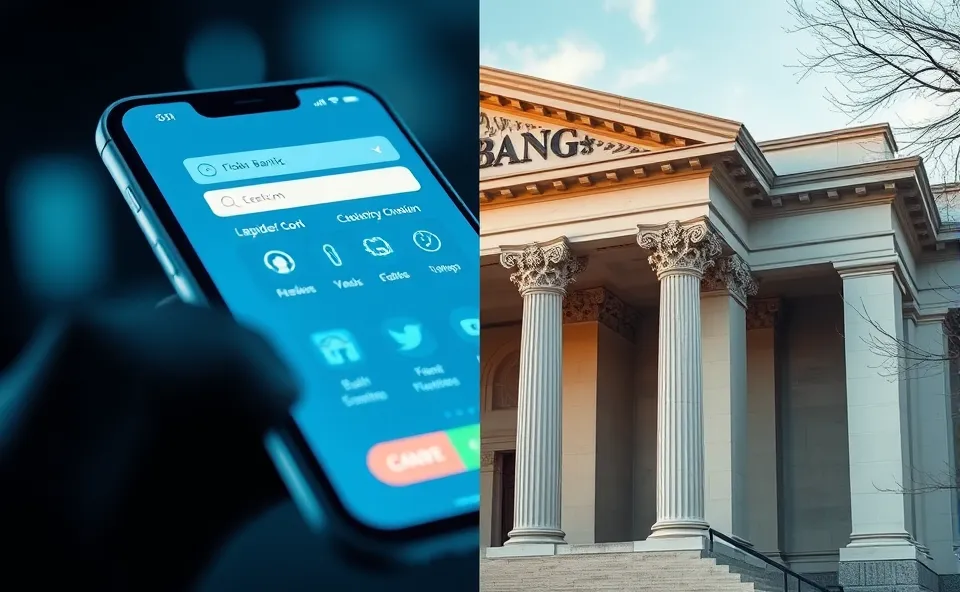
Then came the internet, and with it, online banking. Suddenly, you could check your balance or pay bills from your computer. This was a huge leap. But it was still often just a digital version of the old ways. Neobanks, on the other hand, are a newer breed. They are a product of the fintech revolution, emerging as purely digital entities. They don’t have physical branches. Their entire operation is built around mobile apps and online platforms, aiming to offer a more streamlined and user-friendly banking experience. They are often referred to as digital banking pioneers or challenger banks because they are challenging the status quo.
What This Means for You: The Real Impact of Neobank vs Traditional Banks
So, how does this neobank vs traditional banks showdown affect everyday people and businesses?
For users, the biggest impact is choice and experience.
- Convenience: Neobanks excel here. Want to open an account? It can take minutes through an app. Need to deposit a check? Snap a photo. Everything is designed for speed and ease, right from your phone. This mobile banking experience is often a game-changer.
- Fees: Many neobanks boast fewer or no monthly fees, no overdraft fees, and lower international transaction charges. This can save you a significant amount of money over time. Traditional banks are starting to catch up, but neobanks often have a cost advantage because they don’t have the overhead of physical branches.
- Features: Neobanks often integrate budgeting tools, savings goals, and spending analytics directly into their apps. They are packed with features that make managing your money more insightful. Traditional banks are enhancing their online banking, but neobanks were built with these integrated tools in mind from day one.
- Customer Service: This can be a mixed bag. Neobanks typically offer customer support via chat, email, or phone. Some users find this efficient, while others miss the face-to-face interaction with a teller or banker at a traditional institution. Traditional banks offer a range of customer service options, including in-person support, which can be invaluable for complex issues.
For businesses, the impact is also significant.
- Startup and Small Businesses: Neobanks are increasingly offering business accounts designed for freelancers and small businesses. These often come with faster account opening, integrated invoicing, and expense management tools, all accessible through a digital platform.
- Global Transactions: For businesses that deal internationally, neobanks can offer more competitive exchange rates and lower fees for international payments compared to many traditional banks.
From a technology and market perspective, the rise of neobank vs traditional banks is driving innovation. It’s pushing traditional banks to invest heavily in their digital infrastructure and to rethink their customer experience. It’s also creating a more competitive landscape, which ultimately benefits consumers through better products and services. Fintech companies are constantly developing new ways to offer financial services, and neobanks are at the forefront of this movement.
What’s Next? The Future of Banking
Looking ahead, the neobank vs traditional banks debate isn’t likely to end anytime soon. We’re seeing a trend where traditional banks are acquiring or partnering with fintech companies to enhance their digital offerings. At the same time, neobanks are expanding their services, moving beyond basic bank accounts to offer loans, investments, and more.
It’s probable that we’ll see a blend of both worlds. Traditional banks will continue to evolve their digital banking capabilities, offering more app-based convenience and potentially lower fees. Neobanks will likely continue to innovate, focusing on user experience and specialized financial services. For consumers, this means more choices and better tools to manage their money. The banking differences will likely become less about physical presence and more about the quality of digital services and the specific financial needs each provider can best meet. The competition is heating up, and that’s a good thing for all of us.
Frequently Asked Questions About Neobanks and Traditional Banks
- What are the main differences between a neobank vs traditional banks?
Neobanks are purely digital banks with no physical branches, focusing on mobile and online banking. Traditional banks have physical branches and a longer history, offering a wider range of complex financial services.
- Is neobank vs traditional banks a matter of security?
Both neobanks and traditional banks are regulated and insured up to certain limits, meaning your money is generally safe with either. Security features and protocols are crucial for both types of institutions.
- Which is better for international banking, neobank vs traditional banks?
Many neobanks offer more competitive exchange rates and lower fees for international transactions compared to traditional banks, making them a popular choice for frequent travelers or businesses with global operations.
- Can I get a mortgage from a neobank?
While neobanks are expanding their offerings, mortgages and complex loans are still predominantly offered by traditional banks. However, this is an area where neobanks are starting to compete.
- What are the benefits of digital banking with a neobank compared to online banking with a traditional bank?
Digital banking with neobanks often provides a more integrated and user-friendly experience with features like budgeting tools and instant notifications built into the core app, whereas online banking with traditional banks can sometimes feel like a digital overlay of their existing services.











