

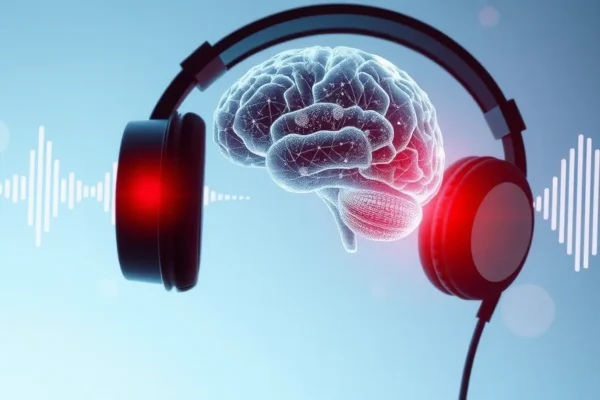
Brainy Headphones to Boost Your Focus Neurable One Review
Ever feel like your brain has a “low battery” warning flashing? In today’s world of constant distractions, finding a way to truly focus and then knowing when to take a proper break can feel like a superpower. That’s where the Neurable One comes in. These aren’t just any headphones; they’re brain-scanning headphones designed to understand your cognitive state and help you get more done. Think of them as a personal coach for your mind, right on your head. They’re aiming to solve the age-old problem of the productivity slump and the all-too-common burnout. If you’re someone who juggles a demanding job, creative projects, or just wants to make the most of your limited focus time, Neurable One wants your attention.
Putting the Neurable One to the Test in Real Life
So, what does “brain-scanning” actually mean for you and me? The Neurable One uses tiny sensors inside the earcups that measure your brain activity, specifically focusing on what it signals about your attention and cognitive load. It’s like having a subtle peek into your “brain battery.” The idea is that the headphones can detect when you’re in a deep focus zone and also when your brain is starting to get tired and needs a break.
Imagine this: You’re working on a crucial report, the kind that needs your undivided attention. As you dive deep, the Neurable One might subtly signal to your connected app (on your phone or computer) that you’re in the flow. Conversely, if you’re staring blankly at the screen, rereading the same sentence for the third time, it might notice your focus waning and suggest it’s time for a quick mental recharge.
Here are a couple of scenarios:
- The Remote Worker: You’re at home, trying to nail a deadline. You put on your Neurable One headphones, and the accompanying app is set to guide your work sessions. The app could alert you when you’ve hit a peak focus period, perhaps giving you an extra 20 minutes to really power through. Then, when your focus dips, it might gently suggest a 5-minute walk or a stretching break, helping you return refreshed rather than just pushing through and making mistakes.
- The Student: Finals are approaching, and you need to cram a lot of information. The Neurable One could help you structure your study sessions. It might encourage you to take short, frequent breaks when it senses fatigue, preventing that overwhelming feeling of “brain mush” that often comes with marathon study sessions. This tech innovation aims to make learning more efficient by working with your brain’s natural rhythms.
Who Needs These Brainy Headphones?
The Neurable One is primarily designed for individuals who rely heavily on sustained mental effort and are looking for ways to optimize their cognitive performance.
- Best For: Professionals in demanding roles (programmers, writers, designers, researchers), students facing intense study periods, and anyone who struggles with maintaining focus in a distracting environment and is interested in the intersection of neuroscience and productivity. If you’re a biohacker or an early adopter fascinated by wearable tech and cognitive enhancement, this will definitely pique your interest.
- Good For: Individuals who have tried various productivity techniques (like the Pomodoro Technique) and are looking for a more personalized, data-driven approach. People who want to be more mindful of their mental energy and prevent burnout.
- Skip If: You’re looking for a simple pair of headphones for music and calls only. If the idea of your tech monitoring your brain activity feels intrusive, or if you’re on a tight budget and don’t see a strong need for this level of cognitive assistance, the Neurable One might be overkill. Also, if you have specific audio quality requirements for critical listening or professional audio work, you might want to consider dedicated audio gear.
How Do They Stack Up Against Other Options?
Right now, the Neurable One is in a unique space. Its direct competitors are few and far between, as true brain-scanning headphones for consumer focus enhancement are still a nascent category.
- Alternatives: The most common alternatives for improving focus are software-based productivity apps (like focus timers, website blockers), noise-canceling headphones (which create a quiet environment but don’t directly interact with your brain), and traditional time management techniques. For cognitive enhancement, you might look at brain-training games or meditation apps.
- m> How Neurable One Compares: Where Neurable One aims to be different is its active, personalized feedback based on your actual brain signals. Noise-canceling headphones block distractions, but Neurable One aims to optimize* your internal state. Software apps rely on your self-discipline to follow timers, while Neurable One offers a more dynamic, responsive system.
- Price Comparison: Because this technology is so new, the Neurable One is positioned as a premium product. It’s likely to be more expensive than a high-end pair of noise-canceling headphones or most productivity software subscriptions. The value proposition here is the cutting-edge neuroscience and the potential for a more profound impact on productivity, rather than just incremental improvements.
Getting Started with Your Brain-Scanning Headphones
The setup process for the Neurable One involves pairing the headphones with a smartphone or computer and downloading the companion app. You’ll likely need to go through an initial calibration process, which might involve a few guided exercises to help the headphones understand your baseline brain activity.
- Ease of Use: While the concept of brain-scanning might sound complex, Neurable aims to make the user experience as straightforward as possible. The app interface is designed to be intuitive, presenting insights in an easy-to-understand way. You won’t need to be a neuroscientist to use it.
- Learning Curve: There’s a slight learning curve in trusting the feedback and integrating it into your workflow. It takes time to get used to the cues and understand how your brain’s signals translate into actionable advice from the app. Expect to spend a few days experimenting to find the settings and feedback mechanisms that work best for you.
- Time to Use: Once set up, you can wear the Neurable One like any other pair of headphones. The real-time brain-scanning happens passively as you wear them, and the app provides insights and suggestions as needed.
The Upside What You’ll Actually Like
Based on early reports and the technology’s promise, here are some genuine advantages you might experience with the Neurable One:
- m> Personalized Focus Guidance: Unlike generic timers, Neurable One adapts to your* brain’s natural rhythms, offering insights into your peak focus times and when you’re truly losing steam. This can lead to more effective work sessions.
- m> Proactive Burnout Prevention: By suggesting breaks when your cognitive load is high but your focus is starting to wane, it can help you step away before* you hit that wall of exhaustion. This is a key aspect of mental recharge.
- Data-Driven Productivity Insights: For those who love understanding their own patterns, the app can provide data on your focus periods, distractions, and cognitive stamina over time, helping you make informed adjustments to your work habits.
- Comfortable Design: The headphones are designed for extended wear, aiming to be comfortable enough to use for long work or study sessions. This is crucial for a device meant to aid concentration.
- Tech Innovation: Wearing the Neurable One feels like stepping into the future of personal technology, integrating neuroscience directly into everyday devices.
The Downside What to Be Wary Of
As with any cutting-edge tech, there are also potential drawbacks and limitations to consider:
- Accuracy and Interpretation: While the sensors can detect brain activity, interpreting that activity perfectly to reflect nuanced states like “deep focus” or “impending fatigue” is still an evolving science. Sometimes the cues might feel slightly off, or the interpretation might not match your subjective feeling.
- Dependence on App and Ecosystem: The headphones are essentially a hardware component that relies heavily on the accompanying software. If the app has bugs, isn’t updated frequently, or doesn’t integrate well with your existing workflow, the headphones’ effectiveness can be significantly hampered.
- Battery Life: Real-time brain scanning is power-intensive. You’ll want to check specific battery life claims, but expect to charge them regularly, perhaps daily, depending on usage patterns. For example, if it’s constantly monitoring and providing feedback, it might drain faster than standard headphones.
- Not a Magic Bullet: The Neurable One is a tool to aid focus, not a substitute for good work habits, a healthy lifestyle, or a supportive work environment. It won’t magically make you hyper-focused if you’re severely sleep-deprived or overwhelmed by external stressors.
- Potential for Information Overload: While the insights are meant to be helpful, for some users, constant data and suggestions about their cognitive state could become another source of distraction or anxiety.
What’s the Damage Price and Is It Worth It?
The Neurable One is expected to be a premium-priced product, reflecting its advanced technology. As of its announcement, pricing details were still being finalized, but it’s positioned in the high-end consumer electronics market.
- Price: While an exact figure for the Neurable One isn’t readily available at this moment, similar advanced wearable tech often ranges from $300 to $600 USD. You should expect it to be in this ballpark.
- Value Proposition: For early adopters, tech enthusiasts, and professionals who can tangibly benefit from even a modest improvement in focus and a better understanding of their cognitive state, the price might be justified. The value is in the unique, personalized cognitive enhancement it offers.
- Hidden Costs: At this stage, it’s unlikely there will be significant hidden costs like subscriptions, but it’s always wise to check. You’ll need a compatible smartphone or computer.
- Budget Alternatives: If the Neurable One is outside your budget, consider a combination of high-quality noise-canceling headphones (like Bose or Sony models) paired with reputable focus timer apps (like Forest or Toggl Track). This won’t offer direct brain-scanning but can still significantly improve focus and productivity.
- Long-Term Value: The longevity of the Neurable One will depend on the durability of the hardware and the continued development of its software. As with all tech, obsolescence is a factor, but the core concept of brain-computer interfaces for focus is likely to evolve and improve over time.
The Final Word Should You Buy Neurable One?
The Neurable One represents an exciting leap in wearable tech, aiming to harness neuroscience to improve our daily productivity and mental well-being. It’s a fascinating piece of technology for those at the forefront of personal optimization.
Who Should Buy This: If you’re a productivity enthusiast, a tech early adopter fascinated by brain-computer interfaces, or someone who desperately needs an edge in maintaining focus and preventing burnout, and the price is within your means, the Neurable One could be a game-changer. It offers a unique, personalized approach to cognitive enhancement that other products simply can’t match.
Who Should Wait or Look Elsewhere: If you’re looking for a straightforward pair of headphones for music, are on a budget, or find the idea of your tech monitoring your brain activity a bit too much, then this product isn’t for you. You can achieve significant productivity gains with more established methods and technologies.
Ultimately, the Neurable One is for the individual seeking a deeper, more scientific understanding of their own mind to unlock peak performance. It’s a glimpse into the future of how we interact with technology to enhance our cognitive abilities.
Frequently Asked Questions About Neurable One
Is the Neurable One worth the price?
The Neurable One is a premium product. Its worth depends on your individual needs. If you highly value personalized focus insights and are willing to invest in cutting-edge tech for productivity, it may be worth it. For others, more traditional methods might suffice.
How long does the battery on Neurable One last?
Battery life specifications are still being finalized, but continuous brain-scanning and feedback are power-intensive. Expect to charge them at least once a day for heavy usage. Always check the latest official specs for exact figures.
Can I use Neurable One for just listening to music?
While the Neurable One is designed for cognitive enhancement, it will likely function as a standard pair of headphones for audio playback. However, its primary value and differentiation come from its brain-scanning capabilities.
Do I need to be a tech expert to use Neurable One?
No, Neurable aims to make the technology accessible. The setup is expected to be straightforward with a user-friendly app, and you won’t need specialized technical knowledge to operate it.
What if the Neurable One doesn’t improve my focus?
Consumer satisfaction varies greatly. The Neurable One is a tool to aid focus, not a guaranteed solution. If it doesn’t meet your expectations, check the retailer’s return policy. User results can depend on individual cognitive patterns and how well the device’s feedback is integrated into their routine.
Where can I buy the Neurable One?
The Neurable One will likely be available directly from Neurable’s official website and potentially through select online retailers specializing in consumer electronics and tech gadgets. Availability may vary by region.
Product prices and availability vary by region. Verify current pricing before purchase.











