

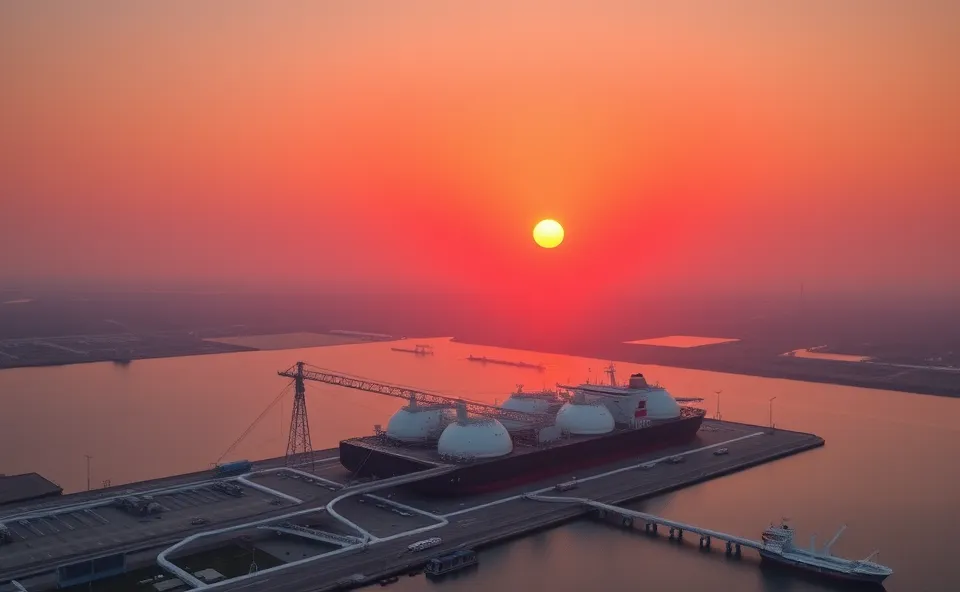
Imagine a massive project, something that takes years and years of planning, building, and overcoming hurdles. That’s kind of the story behind NextDecade and its big achievement: getting the Rio Grande LNG facility up and running in Texas. It’s a huge win for them and a significant moment for the Texas energy market.
A Long Time Coming: Rio Grande LNG Finally Lights Up
So, what’s the big news? NextDecade has finally brought its massive Rio Grande LNG project online. This isn’t just flicking a switch; it’s the culmination of a decade-long journey. Think about it, ten years of planning, securing funding, navigating complex processes, and dealing with all sorts of challenges. Now, the facility is ready to start producing liquefied natural gas, or LNG, and get it ready for export. It’s a massive undertaking that puts NextDecade firmly in the driver’s seat for major LNG projects in Texas.
Why Everyone’s Talking About Texas LNG Now
You might be wondering why this is making waves right now. Well, the energy landscape is constantly shifting, and having reliable sources of energy, especially for export, is incredibly important. As global demand for natural gas grows, projects like Rio Grande LNG become crucial players. People are paying attention because this development signifies a major step forward in the United States’ ability to supply LNG to the world. It’s also a testament to the fact that even with today’s complex environmental regulations, large-scale energy development is still possible and happening in key locations like Texas.
From Vision to Reality: The Decade Behind the Project
To really get why this is such a triumph, you need to rewind. NextDecade has been working on the Rio Grande LNG facility for a very long time. This wasn’t an overnight success. They faced a mountain of project hurdles. Think about securing billions in liquefied natural gas investment, getting permits, and convincing people this massive undertaking was a good idea. There were times when it probably felt like an uphill battle, dealing with everything from financing complexities to community concerns and environmental regulations. But through it all, they kept pushing forward, refining their plans, and building the partnerships needed to make this vision a reality. It’s a powerful example of perseverance in the face of significant challenges in the energy development sector.
What This Means for the Energy World and Beyond
So, what’s the big impact? For starters, the Rio Grande LNG facility significantly boosts the United States’ capacity for natural gas exports. This means more American energy can reach markets around the globe, which can have far-reaching economic and geopolitical implications. For NextDecade, this is a massive validation and positions them as a leader in the Texas LNG space. It also signals a healthy future for other potential LNG projects in the region. For the broader Texas energy market, it means continued growth and investment. On a technological level, it showcases the ongoing advancements in the complex process of liquefying natural gas for safe and efficient transport. Ultimately, it’s about bolstering energy security and creating economic opportunities through smart, long-term energy development.
Looking Ahead: What’s Next for NextDecade and Texas LNG
Now that Rio Grande LNG is coming online, what’s the next chapter? For NextDecade, this is likely just the beginning. Having successfully brought one major project to fruition, they are well-positioned to pursue other LNG projects. The success here could pave the way for expansion or even new ventures, further cementing their leadership in the Texas LNG market. We can also expect continued focus on operational efficiency and ensuring the facility runs smoothly. As for the wider Texas energy market, this could inspire further innovation and investment in the sector. It also means a continued dialogue around the balance between energy development and environmental stewardship, a key theme in all modern energy projects.
Your Questions Answered About NextDecade and Texas LNG
What is NextDecade’s main goal with the Rio Grande LNG project?
NextDecade’s primary goal with the Rio Grande LNG project is to develop and operate a world-class liquefied natural gas export facility. This is about significantly increasing the United States’ capacity to export natural gas, positioning NextDecade as a major player in the global energy market and strengthening the Texas LNG sector.
Why is the Rio Grande LNG facility so important for Texas?
The Rio Grande LNG facility is a huge deal for Texas because it represents a massive investment in the state’s energy infrastructure. It creates jobs, stimulates economic activity, and enhances Texas’s position as a leading hub for energy development and natural gas exports. It’s a cornerstone of the Texas energy market’s growth.
What kind of challenges did NextDecade face in developing this LNG project?
NextDecade navigated a complex landscape of project hurdles, including securing substantial liquefied natural gas investment, obtaining necessary environmental permits, and gaining community support over a decade. The financial and regulatory environments for large-scale LNG projects are always challenging, requiring persistent effort and strategic planning.
How does the Rio Grande LNG facility contribute to natural gas exports?
The Rio Grande LNG facility is designed to liquefy large volumes of natural gas, making it safe and economical to transport via ships to international markets. This directly increases the United States’ overall capacity for natural gas exports, supplying energy to countries that rely on it for power generation and industry.
What does the successful launch of NextDecade’s Texas LNG facility mean for future LNG projects?
The successful launch of the Rio Grande LNG facility by NextDecade serves as a strong precedent and de-risking event for future LNG projects. It demonstrates that significant LNG projects can be brought to fruition, potentially attracting more liquefied natural gas investment and encouraging further energy development in Texas and other key regions.











