

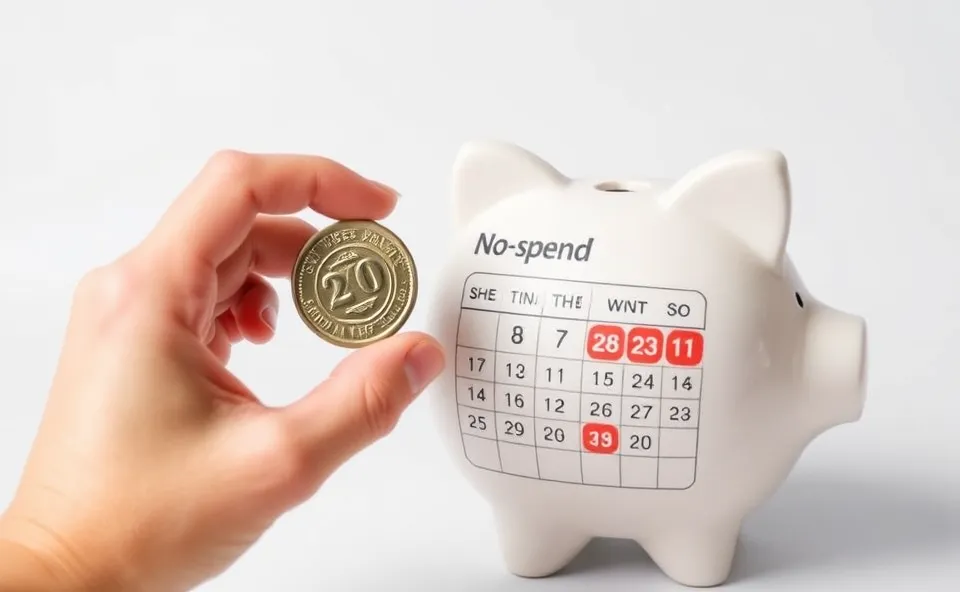
Embarking on a No-Spend Month A Journey to Financial Clarity
Imagine a whole month where you deliberately cut back on all non essential spending. That’s the heart of a no spend month. It’s not about deprivation; it’s about intentionality. You’re not necessarily avoiding every single purchase, but you are taking a sharp pause on things like dining out, impulse buys, new clothes, subscriptions you don’t use, and generally anything that isn’t absolutely vital for survival and functioning. Think of it as hitting the financial reset button, giving your wallet a much needed break and your savings account a chance to grow. It’s a powerful personal finance strategy that can unlock significant savings and offer a fresh perspective on your spending habits.
Why the Buzz Around a Spending Freeze Right Now
So why is everyone talking about a no spend month lately? In a world that constantly pushes us to consume, the idea of consciously opting out feels incredibly empowering. Many people are feeling the pinch of rising costs, and they’re actively seeking practical ways to save money without drastic lifestyle changes. This challenge offers a structured approach to gain control over finances, especially when people are looking for effective budget planning tools and money saving tips. It’s a trend driven by a desire for financial resilience and a growing awareness that true wealth often comes from what you keep, not just what you earn. The simplicity and directness of a no spend month make it an appealing and accessible financial planning challenge for a broad audience.
A Look Back at How We Got Here
The concept of limiting spending isn’t exactly new. Throughout history, people have found ways to economize during tough times or to save for significant goals. However, the modern no spend month gained traction as personal finance blogs and online communities started sharing their experiences and results. People began to see it as more than just a temporary sacrifice; it became a recognized method for debt reduction and building an emergency fund. It’s a practice that emphasizes mindful consumption, a stark contrast to the often “buy now, worry later” mentality that can creep in. This background context highlights that the no spend month is a time tested principle adapted for our current economic landscape, providing a structured way to achieve financial goals.
The Ripple Effect: What a Spending Freeze Means for You
The impact of embracing a no spend month is profound and multi faceted. For starters, you’ll likely discover just how much money you can save when you’re forced to get creative. This can be a game changer for building up an emergency fund, paying down debt, or simply reaching other financial goals. Beyond the numbers, it’s an incredible exercise in mindfulness. You start to question your needs versus your wants, becoming more aware of the triggers that lead to impulse purchases. This newfound awareness can lead to lasting changes in your spending habits, fostering a more frugal living approach. You might also find joy in rediscovering free or low cost activities, connecting more with loved ones, and appreciating what you already have. It’s a personal finance strategy that rewards you not just with money, but with a sense of accomplishment and control.
Looking Ahead: The Lasting Power of a No Spend Month
What happens after your no spend month is over? The real magic lies in carrying the lessons learned forward. This challenge isn’t meant to be a one off extreme measure. Instead, it’s a powerful springboard for ongoing healthy financial habits. Many people find they don’t need to return to their old spending patterns. They might continue to be more mindful about purchases, incorporate regular “no spend” weekends, or simply apply the budgeting principles they’ve honed. The goal is to integrate these money saving tips into your regular financial planning, leading to sustained improvements in your personal finance. It’s about building a more sustainable and resilient financial future, one intentional choice at a time, turning a temporary challenge into a permanent upgrade in how you manage your money.
Your Questions Answered About Mastering a No Spend Month
What exactly is a no spend month and how do I start?
A no spend month is a challenge where you intentionally avoid all non essential purchases for a set period, usually a month. To start your no spend month, you first need to define what “essential” means for you. This typically includes things like rent or mortgage, utilities, groceries, transportation, and necessary personal care items. Then, you’ll want to create a budget planner to track your spending and identify areas where you can cut back. Make a list of your financial goals and use the no spend month as a tool to help you reach them faster. It’s a fantastic way to save money.
What are the main benefits of undertaking a no spend month?
The benefits of a no spend month are numerous. Primarily, it’s an excellent strategy to save money quickly, helping you build an emergency fund or tackle debt reduction. Beyond financial gains, it fosters a deeper understanding of your spending habits, promoting mindful consumption and frugal living. You’ll learn to differentiate between needs and wants, leading to more conscious purchasing decisions long term. It’s a powerful personal finance strategy for gaining financial control and achieving your financial goals.
Are there any exceptions to the no spend rule?
Absolutely. The key to a successful no spend month is realism, not deprivation. Exceptions are typically made for absolute necessities. This includes things like food, essential bills (rent, utilities, loan payments), necessary transportation, and critical personal care or medical items. Some people also make allowances for pre planned and unavoidable events like birthdays or important appointments. The goal is to cut out discretionary spending, not to stop living.
How can I effectively track my spending during a no spend month?
Tracking your spending is crucial for a no spend month. You can use a simple notebook and pen, a spreadsheet on your computer, or a budget app. The most important thing is to record every expense, even the small ones. This helps you stay accountable and identify where your money is going. Regularly reviewing your tracked spending allows you to see your progress and make any necessary adjustments to your financial planning.
Will a no spend month help with debt reduction?
Yes, a no spend month can be a very effective tool for debt reduction. By significantly cutting back on your expenses, you free up extra money that can be directly applied to paying down your debts. This concentrated effort can accelerate your debt repayment timeline and save you money on interest over time. Combining a no spend month with a solid budget planner and clear financial goals makes it a powerful strategy for getting out of debt.











