

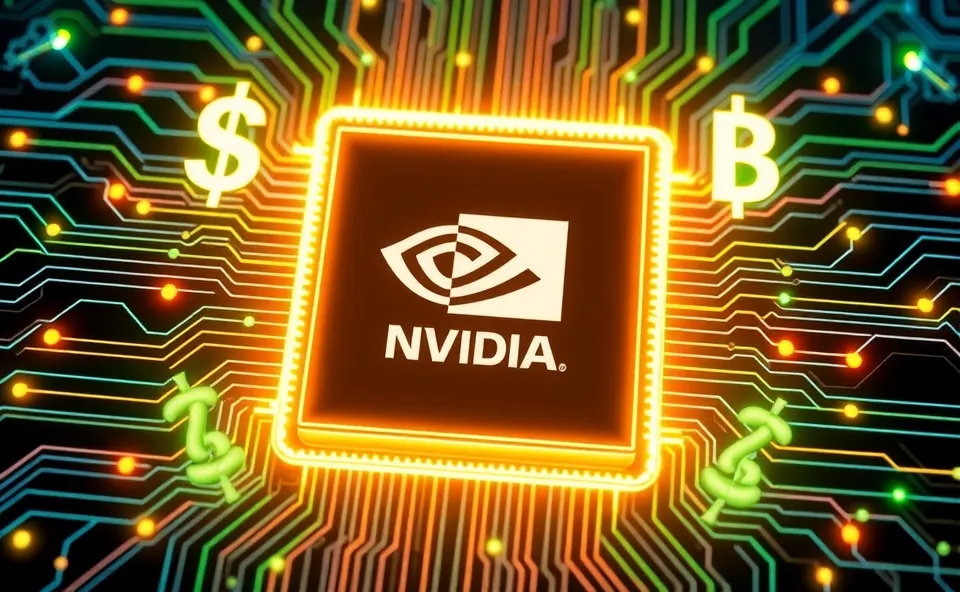
Nvidia’s Big Bet on Open AI Models
Have you heard the buzz about Nvidia’s massive commitment to the world of artificial intelligence? It’s a game-changer. Nvidia, the company synonymous with the powerful graphics processing units (GPUs) that fuel today’s AI, is reportedly pouring an impressive $26 billion into developing and supporting open-weight AI models. Think of it as a huge investment in making AI more accessible and flexible for everyone.
What does “open-weight” mean? In simple terms, it refers to AI models where the core ‘brain’ – the vast set of learned parameters or “weights” – is made public. Unlike some proprietary models where these inner workings are kept secret, open-weight models let developers and researchers peek inside, understand how they work, and even fine-tune them for specific tasks. This move isn’t just about money; it’s a bold strategic play to shape the future of the AI market, and it puts Nvidia squarely in a competitive dance with some big names, including OpenAI.
Why Everyone’s Talking About Open-Weight AI Now
So, why is this particular Nvidia AI investment a trending topic right now? The short answer is choice and control. For a while, the most powerful and talked-about large language models (LLMs) – like the ones from OpenAI – have largely been “closed source” or “closed weight.” This means you can use them through an API, but you don’t get to see or modify their fundamental structure.
While these closed models are incredibly powerful, they come with certain limitations for businesses and developers. They might involve specific usage policies, higher costs for advanced features, or simply a desire for more transparency. People are actively searching for alternatives that offer greater flexibility, customization, and ownership. This yearning for more open alternatives has led to a surge in interest in open source AI and, specifically, open-weight AI models. Companies like Nvidia stepping up with significant backing for these open models signal a potential shift in the AI landscape, promising a future where cutting-edge AI isn’t just locked behind a few corporate gates. It’s a moment of reckoning for how AI innovation will unfold.
The AI Battleground: From GPUs to LLMs
To really grasp the significance of Nvidia’s AI investment, we need a little backstory. For years, Nvidia has been the undisputed king of GPU technology, providing the computational muscle that drives nearly every major AI breakthrough. If you’re running an LLM, chances are it’s powered by Nvidia hardware. This has given them an incredible vantage point, essentially owning the pickaxe in the AI gold rush.
Meanwhile, companies like OpenAI burst onto the scene with incredibly sophisticated software – the actual AI models themselves. Initially, OpenAI started with a mission focused on, well, open AI. But as their models became immensely powerful and complex, they shifted towards a more closed, proprietary approach to develop and deploy tools like ChatGPT. This pivot created a gap in the market and a philosophical debate: Should the most advanced AI models be open for all to inspect and build upon, or should they remain proprietary for security, control, and commercial reasons?
This debate has fueled the emergence of other players like Anthropic and smaller, but highly innovative, groups such as DeepSeek, which are also developing powerful models, sometimes with a more open philosophy. Nvidia’s move is a direct response to this landscape. By investing heavily in open-weight AI models, Nvidia isn’t just selling hardware; they’re actively helping to build out the software ecosystem that will run on their hardware. It’s a brilliant strategy to ensure that as AI evolves, their GPUs remain at the heart of it all, supporting not just one dominant player, but a diverse and thriving community of developers and enterprises. They’re moving beyond just being an AI infrastructure provider to a key player in LLM development itself, albeit through a collaborative, open approach.
What Nvidia’s AI Investment Means for You and the Future
This massive AI investment by Nvidia has far-reaching implications across the board.
- For Developers and Researchers: If you’re building AI, this is fantastic news. More open-weight AI models mean more flexibility. You can take these models, fine-tune them with your own data, and create highly specialized AI applications without starting from scratch. It democratizes access to cutting-edge AI capabilities and sparks even more innovation.
- For Businesses: This offers a crucial alternative to being locked into a single vendor’s proprietary AI. Companies can leverage open source AI models, which often provide more control over data privacy, customization for specific business needs, and potentially lower long-term operational costs. Imagine being able to run a powerful LLM directly on your own servers, tailored exactly to your company’s unique jargon and requirements. This shift can be a significant competitive advantage.
- For the AI Market: This move will intensify competition, which is always good for progress. It pushes all players, including giants like OpenAI, to innovate faster, offer better features, and perhaps even consider more open approaches themselves. The result is a more diverse and robust AI market with various powerful models and services to choose from.
- For Nvidia Itself: This strategy solidifies Nvidia’s AI dominance. By fostering an ecosystem of powerful open-weight AI models that are optimized to run on their GPUs, they ensure continued demand for their hardware. It’s a smart way to expand their influence from being just the hardware provider to a key enabler and catalyst for the entire AI development pipeline.
Ultimately, this investment signifies a push towards a more open, customizable, and competitive AI future, where the tools to build incredible AI are more widely available.
The Road Ahead for Open-Weight AI and Nvidia
Looking forward, Nvidia’s AI investment in open-weight AI models is likely to accelerate a few key trends. We’re going to see an even faster pace of LLM development in the open-source community. As more resources, both financial and technical, flow into these projects, expect these models to become increasingly powerful, efficient, and specialized.
We’ll probably also see hybrid approaches becoming more common. Businesses might use a powerful foundational open-weight AI model and then integrate proprietary layers on top for their specific applications. This gives them the best of both worlds: the robust foundation of an open model with the unique features of their own innovation.
Nvidia will continue to play a pivotal role here. Their ongoing innovation in GPU technology will be critical for training and running these ever-larger open models. They are positioning themselves not just as a supplier but as an essential partner in the AI journey for countless developers and companies. The competition with closed models from entities like OpenAI will persist, but Nvidia’s AI strategy ensures that the “open” side of the AI world has a strong, well-funded champion, leading to a much richer and more diverse future for artificial intelligence as a whole. It’s an exciting time to watch how this unfolds.
Quick Answers to Your Nvidia AI Questions
What are open-weight AI models?
Open-weight AI models are artificial intelligence systems where the trained parameters (the “weights” that define the model’s knowledge) are publicly accessible. This allows developers to inspect, modify, and build upon them, unlike proprietary models where these internal workings are kept secret.
Why is Nvidia investing so much in AI?
Nvidia’s AI investment, particularly in open-weight models, is a strategic move to solidify its position as the leading provider of AI infrastructure. By fostering a vibrant ecosystem of open models that run optimally on their GPUs, they ensure continued demand for their hardware and expand their influence in the broader AI market.
How does this affect OpenAI?
This move by Nvidia intensifies competition for OpenAI. By empowering more developers and businesses with open alternatives, Nvidia is helping to diversify the AI market, potentially reducing reliance on a few dominant proprietary providers and driving further innovation across the board.
What does this mean for developers using Nvidia AI?
For developers, Nvidia’s AI investment in open-weight models means more choice, flexibility, and control. You’ll have access to powerful, customizable models that you can fine-tune for specific applications, fostering greater innovation and potentially lowering development costs for new LLM development projects.
Will open source AI models become more powerful than proprietary ones?
While proprietary models from companies like OpenAI currently lead in some areas, Nvidia’s AI investment and the collaborative nature of open source AI development mean that open models are rapidly closing the gap. With massive community contributions and increasing financial backing, they are expected to become incredibly powerful and competitive, often offering unique advantages in customization and transparency.











