

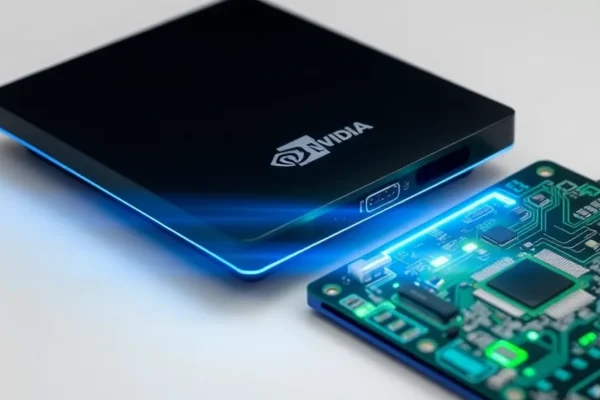
The Nvidia Shield TV at Seven Years: Still King or Just Expensive
If you have spent any time in the world of home entertainment, you have likely heard of the Nvidia Shield TV. Launched seven years ago, this device has built a reputation as the gold standard for streaming hardware. It is essentially a small, powerful computer that plugs into your television to handle all your streaming apps, games, and media files.
But recently, the Nvidia Shield TV price hike has taken many fans by surprise. After years of stability, the cost has jumped by roughly $100. Why? It comes down to technology inflation and the global surge in AI memory costs. Because the chips used in devices like the Shield are now in high demand to power massive AI systems, building this aging tech has become significantly more expensive for the manufacturer. For you, the consumer, this raises a simple question: is an older device still worth the premium price in a market flooded with cheaper alternatives?
How the Shield TV Fits Into Your Living Room
At its core, the Shield TV acts as a high-performance brain for your television. While a basic streaming stick might struggle to flip between apps or load high-quality video, the Shield feels snappy and responsive. It uses the Android TV interface, which is clean, easy to navigate, and works like a simplified version of a smartphone home screen.
Imagine you have a large library of movies stored on a network drive in your home office. The Shield TV is one of the few devices that can play almost any video file format you throw at it without stuttering. Or, consider a busy household where you jump from Netflix to YouTube to a game controller. The Shield handles this multitasking with ease, rarely forcing you to wait for menus to catch up. Whether you are a movie buff wanting the best picture quality or a casual gamer, it functions as a central hub for your media.
Who Should Consider This Device
The Nvidia Shield TV is not for everyone, and at its current price, it is certainly not an impulse buy. It is best for power users who want a device that will last for years and won’t get sluggish as apps update. It is also a great fit for people who have a high-end sound system or a 4K television and want to ensure their hardware isn’t bottlenecking their audio or visual quality.
You should skip this device if you only use your TV for occasional Netflix or Hulu viewing. If you are a light user, a simple $40 streaming stick will give you 95 percent of the features you actually need, and the massive price difference makes the Shield a hard sell for casual couch potatoes.
How It Compares to Modern Alternatives
When you look at the Nvidia Shield TV price hike, you have to compare it to devices like the Apple TV 4K or the Amazon Fire TV Cube. The Apple TV offers a smoother interface and better integration if you already own an iPhone. Meanwhile, the Fire TV devices are much cheaper and offer deeper integration with voice commands.
The Shield stands out because of its unique AI-powered upscaling. This feature takes lower-resolution video and intelligently sharpens it to look like 4K on your big screen. While competitors have caught up in speed, the Shield remains the king of file compatibility and local media streaming. However, it is no longer the clear “must-buy” it was three years ago, especially since it is technically “aging tech” compared to the newer chips found in mobile devices today.
Getting Started Without a Headache
Setting up the Shield is surprisingly simple. You plug it into your HDMI port, connect it to your Wi-Fi, and sign into your Google account. Because it uses Android TV, your apps will likely be familiar if you have ever used an Android phone. The interface is intuitive, and you won’t need a technical degree to get your favorite shows running. Most users are up and running within ten to fifteen minutes. The biggest “trick” is ensuring your home internet connection is stable, as the device is designed to stream high-bitrate video that requires a solid network.
Real World Advantages of Owning a Shield
- Consistent Performance: Unlike budget sticks that slow down after a year, the Shield stays fast and fluid, which is why it has held its value for seven years.
- Superior Upscaling: The AI-enhanced upscaling is legitimately impressive for older shows and movies, making them look significantly crisper on modern 4K televisions.
- File Versatility: It plays virtually any file format you download, making it a favorite for those with personal media libraries.
- Reliable Updates: Nvidia has been excellent at supporting the device with software updates, ensuring you get new features long after other manufacturers stop supporting their hardware.
The Honest Drawbacks
- The Price Surge: Given the age of the hardware, the recent price increase makes it difficult to justify over newer, more modern competitors.
- Aging Internals: While it performs well, the underlying chip is quite old. You may notice it lacks some of the cutting-edge features found in the latest gaming consoles or high-end tablets.
- Controller Experience: While it supports controllers, it is not a replacement for a dedicated game console like a PlayStation or Xbox.
Is It Worth Your Money Today
As of late 2024, the Nvidia Shield TV occupies a strange space. It is a premium product in a world that has largely moved toward “disposable” streaming hardware. The price hike is an unfortunate result of AI memory costs, which impact all tech hardware, but it hits the Shield harder because the hardware is not new. If you are a power user who values longevity, the Shield remains a solid investment. However, if you are looking for pure value, the gap between this and cheaper streaming devices has narrowed significantly.
Common Questions and Answers
Is the Nvidia Shield TV price hike worth paying for now?
For most people, probably not. Unless you specifically need the advanced AI upscaling or the ability to play complex media files, you can find cheaper streaming devices that offer a similar experience for your daily Netflix and YouTube needs.
Why did the Nvidia Shield TV price increase after so many years?
The increase is largely due to technology inflation and rising AI memory costs. Global demand for high-end memory chips to power AI has made the production of older hardware more expensive for manufacturers like Nvidia.
Does this device get slower over time?
One of the Shield’s best features is its longevity. Unlike cheaper streaming hardware that often becomes sluggish after a few software updates, the Shield remains quite responsive even years after purchase.
Do I need extra equipment to use the Shield?
You only need an HDMI cable and a stable internet connection. While you can add game controllers or extra storage, the box comes with everything you need to start streaming immediately.
Is this device better than a Smart TV interface?
In almost every case, yes. Built-in Smart TV apps tend to be slower and receive fewer updates. The Shield provides a much more consistent, reliable, and faster experience than what you will find pre-installed on most TVs.
Product prices and availability vary by region. Verify current pricing before purchase.











