Nvidia’s Streamer Gets a Price Bump Explaining the Nvidia Shield TV Pro Cost Increase
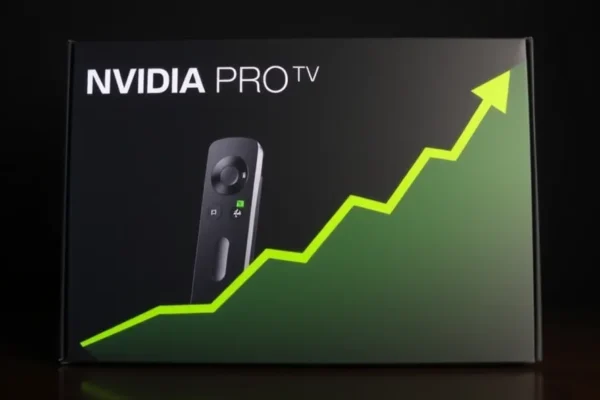
For enthusiasts of high-quality home entertainment and advanced smart home control, the Nvidia Shield TV Pro has long been a benchmark device. Known for its powerful processing and versatile capabilities, it has remained a popular choice for years. However, recent price adjustments have caught the attention of consumers. Nvidia recently implemented a significant price increase for the Nvidia Shield TV Pro, raising its cost by approximately $100. This change prompts a closer look at what’s driving this shift in the Shield TV Pro price and what it signifies for the broader streaming device market.
Understanding the Nvidia Shield TV Pro and Its Recent Price Adjustment
The Nvidia Shield TV Pro is more than just a streaming box; it’s a powerful media player designed to deliver a premium 4K streaming experience and serve as a hub for smart home tech. It stands out in a crowded market due to its robust hardware, capable of handling demanding applications, AI upscaling for video, and even acting as a mini-server for Plex or other media services. The recent announcement by Nvidia detailing a $100 price increase has led to widespread discussion among its user base and tech observers, shifting the Nvidia Shield TV Pro from its long-standing price point to a new, higher valuation. This adjustment comes as the tech industry grapples with ongoing supply chain challenges and evolving production costs.
The Technology Behind the Shield TV Pro’s Power
At the heart of the Nvidia Shield TV Pro’s performance is its custom-designed processor, the Tegra X1+. This chip is a significant component, providing the horsepower for features like AI-powered video upscaling, which intelligently enhances lower-resolution content to look sharper on 4K displays. Think of the Tegra X1+ as the engine of a high-performance car – it’s what allows the Shield to accelerate through complex tasks smoothly. The AI upscaling, for example, uses artificial intelligence algorithms to add detail and clarity that wouldn’t naturally be present in the original video, making older or lower-quality content look much better on modern screens.
Beyond the processor, the Shield TV Pro also relies on other critical internal components, including memory (RAM) and storage. These elements are essential for the device to run applications, buffer video streams, and store data. The recent Shield TV Pro price hike is largely attributed to a confluence of factors affecting the cost of these components globally. Specifically, the industry has faced a persistent memory shortage, which impacts the availability and price of RAM chips used in a vast array of electronic devices, including the Shield TV Pro. Similarly, other essential semiconductors and electronic parts have seen their component costs rise due to a combination of increased demand and limited supply.
Where the Shield TV Pro Shines Today
The Nvidia Shield TV Pro is currently a mainstream product, readily available for purchase through major online retailers like Amazon and Best Buy, as well as Nvidia’s own website. Its primary use case remains delivering a superior 4K streaming experience for services like Netflix, Disney+, and YouTube, often with superior picture quality enhancements compared to less powerful devices. Its advanced processing power also makes it a favorite for gamers who use GeForce NOW, Nvidia’s cloud gaming service, allowing them to stream high-end PC games to their TV.
Furthermore, the Shield TV Pro has cemented its position as a robust smart home tech hub. It can act as a Plex Media Server, allowing users to organize and stream their personal media library to any device in their home or even remotely. Its integration capabilities allow it to control other smart home devices, acting as a central command center for lighting, thermostats, and security systems. Early adopters and tech enthusiasts have been leveraging these capabilities for years, making the Shield TV Pro a mature and highly regarded streaming device.
Navigating the Competitive Streaming Device Landscape
The streaming device market is highly competitive. Nvidia’s primary rivals include established players like Amazon with its Fire TV devices (e.g., Fire TV Cube), Google with its Chromecast with Google TV, and Apple with the Apple TV 4K. These devices offer compelling features and often come in at lower price points, particularly Amazon and Google’s offerings. For instance, the Amazon Fire TV Cube often competes directly with the Shield TV Pro on its smart home integration and streaming capabilities, while the Apple TV 4K appeals to users within the Apple ecosystem and those prioritizing a sleek interface and robust app support.
What differentiates the Nvidia Shield TV Pro is its unparalleled processing power, particularly its AI capabilities for video upscaling and its flexibility as a server and development platform. While competitors might offer more user-friendly interfaces or a wider range of apps for casual users, the Shield TV Pro caters to a more discerning audience that values raw performance, advanced features, and the ability to push the boundaries of what a media player can do. This focus on high-end performance is a key advantage, even as its higher Nvidia Shield TV Pro price positions it in a premium segment.
The Broader Implications of the Shield TV Pro Price Hike
The recent Shield TV Pro price increase from Nvidia, while specific to this premium device, reflects a broader trend of tech price inflation impacting the consumer electronics market. The ongoing challenges in global supply chains, including the memory shortage and increased component costs for semiconductors, are forcing manufacturers across the board to re-evaluate their pricing strategies. This means that consumers may see similar price adjustments on other high-end electronics in the future, from gaming consoles to high-performance laptops.
For consumers, this could mean a higher barrier to entry for premium streaming device experiences. While more affordable options will continue to exist, devices offering advanced features like AI upscaling and powerful processing will likely remain at a premium. This could also influence business models, potentially pushing some users to consider more cost-effective, albeit less feature-rich, alternatives for basic streaming needs, while enthusiasts will continue to invest in top-tier hardware for its superior capabilities.
Acknowledging Limitations and Ongoing Challenges
Despite its strengths, the Nvidia Shield TV Pro is not without its limitations. The user interface, while powerful, can be less intuitive for complete beginners compared to simpler streaming sticks or boxes. The memory shortage and general component costs have not only led to the price increase but can also affect product availability, leading to occasional stock shortages. Furthermore, while the Tegra X1+ processor is powerful, it is not the latest generation of Nvidia’s silicon, meaning that some newer, cutting-edge applications or games might push its performance limits more than a device with a brand-new chipset.
One of the key challenges for Nvidia is justifying the higher Nvidia Shield TV Pro price point to a wider audience. While its advanced features are compelling for enthusiasts and power users, many consumers might find that less expensive streaming devices from competitors adequately meet their needs for basic 4K streaming and app access. The adoption curve for such a premium device is inherently slower, meaning it will likely remain a niche product rather than a mass-market staple.
The Road Ahead for Nvidia’s Premium Streaming Hardware
The future trajectory for Nvidia’s premium streaming hardware, including the Shield TV Pro, will likely be shaped by several factors. Continued innovation in AI processing will undoubtedly lead to even more sophisticated upscaling technologies and new AI-driven features for media consumption and smart home control. We can anticipate Nvidia to continue iterating on its Tegra platform, potentially introducing newer processors in future iterations of the Shield line that offer even greater performance and efficiency.
Industry analysts suggest that while the current Nvidia Shield TV Pro price reflects current market conditions, future product releases might offer different tiers to cater to a wider range of budgets. The company’s commitment to cloud gaming with GeForce NOW also suggests that performance-intensive applications will remain a key focus. For now, the existing Shield TV Pro is expected to remain a high-performance option, with potential software updates continuing to add value and functionality to the existing hardware, ensuring its relevance for the foreseeable future.
Frequently Asked Questions About the Nvidia Shield TV Pro Price Increase
Why did the Nvidia Shield TV Pro price increase?
The primary reasons for the Nvidia Shield TV Pro price increase are the rising global component costs, particularly for memory and semiconductors, exacerbated by a worldwide memory shortage. These factors, combined with increased manufacturing and logistical expenses, have led Nvidia to adjust the Shield TV Pro price.
Is the Nvidia Shield TV Pro still worth the new price?
For users who leverage its advanced features like AI upscaling, GeForce NOW cloud gaming, and its capabilities as a powerful media player and smart home tech hub, the Nvidia Shield TV Pro can still offer significant value, even at its increased price. However, for basic 4K streaming, more budget-friendly streaming devices might suffice.
What are the main competitors to the Nvidia Shield TV Pro?
Key competitors to the Nvidia Shield TV Pro include the Amazon Fire TV Cube, Apple TV 4K, and Google Chromecast with Google TV. These devices offer varying combinations of streaming capabilities, smart home integration, and price points.
Will there be a new Nvidia Shield TV Pro model soon?
Nvidia has not officially announced a successor to the current Nvidia Shield TV Pro. However, given the company’s track record, future iterations are anticipated, though their pricing will likely also be influenced by ongoing tech price inflation trends.
How does the Nvidia Shield TV Pro compare to other streaming boxes in terms of performance?
The Nvidia Shield TV Pro generally offers superior processing power and AI capabilities compared to most other streaming box competitors, particularly due to its Tegra X1+ chip and AI upscaling technology. This makes it ideal for demanding tasks beyond simple streaming.
Is this price increase unique to Nvidia, or is it a market trend?
The Shield TV Pro price increase is part of a broader market trend of tech price inflation affecting many electronic devices. The widespread memory shortage and increased component costs are impacting manufacturers globally, leading to price adjustments across the industry.
This article provides an overview of the Nvidia Shield TV Pro price increase, its underlying causes, and its implications. The information presented is based on publicly available data and industry analysis, and future developments may alter the current landscape.