

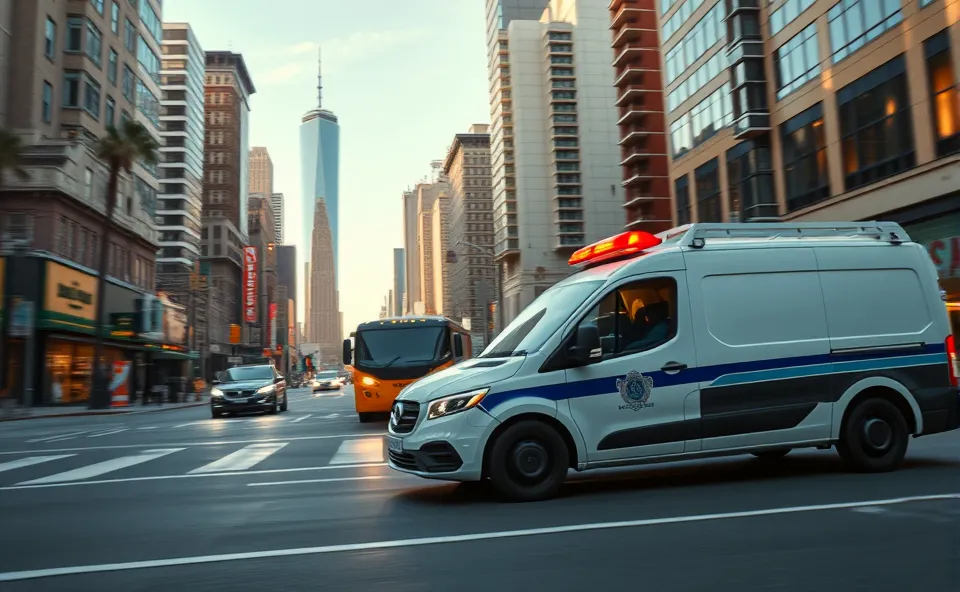
Two Big Apple Cities Join Forces for Greener Rides
Get this: New York City and Los Angeles, two of the biggest, busiest cities in the US, have teamed up. They’re partnering to boost the use of electric vehicles, or EVs, in their city governments. Think police cars, trash trucks, and city maintenance vans – all going electric. This isn’t just a small pilot program; it’s a serious move to electrify huge chunks of their municipal fleets. They’re basically saying, “We’re going to show everyone how it’s done when it comes to sustainable transportation on a massive scale.” It’s a big deal because these cities have massive fleets, and changing them over is a huge undertaking. This partnership means they’ll share what they learn, helping each other overcome the hurdles that come with this kind of widespread EV adoption.
Why All the Buzz About Electric Vehicles Now?
You’ve probably noticed electric vehicles popping up everywhere, and there’s a good reason why this story about NYC and LA is making waves right now. The push for EV adoption is hitting a critical point. More and more people are curious about EVs for their personal cars, and cities are realizing they can lead the charge, literally. Climate action policy is a huge driver; governments at all levels are under pressure to reduce their carbon footprint. Municipal EV transition projects, like this one, are a very visible way for cities to demonstrate commitment to green city initiatives. Plus, the technology is getting better and cheaper. The range on EVs is improving, charging infrastructure is expanding, and the overall cost of ownership is becoming more competitive. This partnership between two major urban centers acts as a powerful signal to the market and to other cities that now is the time to accelerate EV adoption.
A Look Back: Paving the Road for Electric City Cars
This isn’t the first time cities have thought about going electric. For years, there have been smaller efforts, maybe a few electric sedans in a mayor’s office or a handful of electric buses on certain routes. But what’s different now is the scale and the deliberate partnership. Historically, the biggest barriers to EV adoption in municipal fleets were cost, charging infrastructure, and range anxiety – especially for vehicles that needed to cover long distances or operate 24/7. Cities have also grappled with the logistics of managing charging for hundreds or even thousands of vehicles. Early adopters faced higher upfront costs for electric police cars or other specialized vehicles, and the supporting technology wasn’t always robust. However, as EV technology matured and governments began to set ambitious climate goals, the pressure to move beyond token gestures intensified. This NYC-LA collaboration builds on those earlier, smaller steps, aiming to overcome the systemic challenges that have held back faster, widespread municipal EV transition.
What This Means for Our Cities and Our Future
So, what’s the big takeaway from this partnership? For starters, it’s a massive win for urban electrification. When two cities as influential as New York and Los Angeles commit to electrifying their fleets, it sends a powerful message that sustainable transportation isn’t just a niche concept; it’s the future. This means cleaner air in our cities. Fewer tailpipe emissions mean less smog and a healthier environment for everyone. For consumers, this could mean more public charging stations as cities invest in infrastructure that benefits everyone, not just government vehicles. Think about it: if city halls are figuring out how to charge fleets of EVs, that infrastructure can often be shared or expanded to serve the public.
For the technology sector, this partnership fuels innovation. Manufacturers will be motivated to produce more robust and specialized electric vehicles, like electric police cars and heavy-duty trucks, knowing there’s a significant buyer demand. This could lead to better battery technology, faster charging solutions, and more efficient vehicle designs.
From a business perspective, this signals a growing market for EV charging solutions, fleet management software, and maintenance services tailored for electric vehicles. Companies that provide these services will see increased opportunities. It also impacts the energy sector, as cities will need to plan for increased electricity demand, potentially driving investments in renewable energy sources to power these fleets. It’s a ripple effect that touches many parts of our economy and our daily lives, all stemming from a commitment to EV adoption and climate action policy.
Looking Ahead: The Road to a Fully Electric Future
What comes next? This partnership is likely just the beginning. We can expect to see other major cities take notice and potentially follow suit. The sharing of data and best practices between NYC and LA will be invaluable, accelerating the learning curve for other municipalities considering a similar municipal EV transition. We might see the development of standardized charging protocols or even joint purchasing agreements to drive down costs for EVs and charging infrastructure.
In the coming years, I wouldn’t be surprised to see more specialized EVs entering municipal service. This could include electric ambulances, more electric fire trucks, and specialized construction vehicles. The focus will likely expand beyond just passenger cars and light trucks to encompass the entire spectrum of city operations. As the technology continues to advance and battery costs decrease, the economic case for electrification will only strengthen, making it easier for cities to achieve ambitious EV adoption goals. This collaboration sets a strong precedent for how major urban centers can work together to tackle complex environmental challenges and build a more sustainable future through widespread electric vehicle use.
Frequently Asked Questions About EV Adoption in Cities
What is the main goal of the NYC and LA partnership for EV adoption?
The main goal is to significantly increase the number of electric vehicles used in their city government fleets, making transportation more sustainable and reducing their environmental impact through widespread EV adoption.
How will this partnership help with electric vehicle fleets?
By teaming up, New York City and Los Angeles can share insights, overcome challenges, and potentially negotiate better deals for electric vehicles and charging infrastructure, making the transition for their electric vehicle fleets smoother and more cost-effective.
What are some examples of electric vehicles that might be used in these cities?
Beyond regular cars, cities could deploy electric police cars, electric buses, electric waste management trucks, and various service vehicles as part of their urban electrification efforts.
Does this mean more charging stations for the public?
While the focus is on municipal fleets, the infrastructure development and shared learning from this partnership could indirectly lead to more public charging options as cities invest in broader charging solutions for sustainable transportation.
What kind of impact does this have on broader climate action policy?
This partnership demonstrates a strong commitment to climate action policy by two major cities, encouraging other municipalities to adopt similar green city initiatives and accelerating the overall municipal EV transition.











