

A Ride Through Reality: How Art is Showing NYC’s Rent Crisis
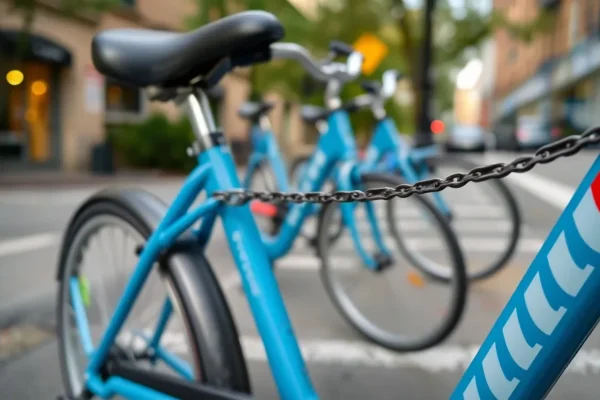
Imagine hopping onto a Citi Bike, ready to zip across New York City, only to find the ride suddenly… harder. This isn’t a glitch; it’s intentional. An art project has taken over some Citi Bikes, subtly but powerfully making the simple act of cycling a struggle. They’ve tampered with the bikes in a way that makes pedaling feel like pushing uphill, even on flat ground. It’s a visceral, tangible experience designed to make you feel the strain, mirroring the everyday grind many New Yorkers face just trying to afford a place to live. This isn’t just about bikes; it’s a bold statement on income inequality and the crushing weight of the NYC rent crisis.
Why This Art Project is Suddenly Everywhere
You’ve probably seen or heard about this unique art project popping up in conversations and on social media. The reason it’s trending now is simple: it hits close to home for so many people. New York City is known for its vibrant energy, but also for its sky-high cost of living. The rent crisis is a constant topic of discussion, affecting everyone from artists struggling to make ends meet to families trying to stay afloat. This art installation takes that ongoing conversation and turns it into a physical experience. It forces people to confront the economic hardship that defines much of the urban art scene and the daily lives of New Yorkers. It’s a timely reminder that while some can easily navigate the city, others are constantly battling against the current, and this art project makes that battle undeniable.
The Story Behind the Struggle on Two Wheels
To truly get why this art installation is so impactful, we need a little background. New York City has long grappled with its affordability. For decades, the gap between what people earn and the cost of housing has widened. This isn’t a new problem, but it has become more acute. As the city attracts talent and investment, the demand for housing has skyrocketed, pushing rents to astronomical levels. This economic pressure creates a stark divide: those who can comfortably afford the city’s amenities and those who are constantly on the edge, struggling with economic hardship. Citi Bikes, originally introduced as a convenient and affordable way for New Yorkers to get around, have become a symbol of urban mobility. By modifying these bikes, the artist is hijacking a familiar and accessible piece of public infrastructure to deliver a powerful message about social commentary and the realities of income inequality. It’s taking something everyday and turning it into a stark reminder of the city’s economic challenges, directly linking the act of cycling to the struggle for affordability.
More Than Just a Stiff Ride: What This Means
This art project is far more than just an unusual public art display. For the casual Citi Bike user, it’s a shock to the system. That unexpected resistance on the pedals creates a moment of confusion, then perhaps frustration, and hopefully, a dawning realization. It’s a tangible experience that can foster empathy. People who might not directly feel the pinch of the NYC rent crisis can now, in a small way, experience a fraction of the difficulty. For businesses and city planners, it’s a loud, artistic nudge. It forces a conversation about how urban development and economic policies disproportionately affect certain communities. It highlights how something as basic as transportation, which should be accessible and equitable, can become another hurdle in areas already burdened by high rents and economic hardship. This kind of public art acts as a catalyst, encouraging dialogue and potentially sparking action. It’s a reminder that technology, like Citi Bikes, can be used for more than just convenience; it can be a tool for social commentary, pushing us to think critically about our cities and the people who inhabit them. The impact is in the shared, albeit brief, struggle, fostering a sense of collective awareness about income inequality.
What’s Next for Art and Urban Awareness?
Looking ahead, this art project opens up exciting possibilities for how public art can engage with pressing social issues. We might see more initiatives that use familiar urban elements to communicate complex realities. Think about other public spaces or technologies that could be similarly transformed to highlight different aspects of urban life. Perhaps interactive installations that visualize commute times versus income levels, or public displays that show the real cost of essential goods in different neighborhoods. The focus will likely remain on creating tangible experiences that resonate emotionally and intellectually. For the tech sector, this could inspire designs that prioritize accessibility and affordability, moving beyond pure functionality to consider social impact. It’s about using creativity and technology to not just entertain or inform, but to provoke thought and encourage a deeper understanding of the challenges faced by fellow citizens. The future could hold more art projects that don’t just decorate our cities but actively engage us with their complexities, turning everyday objects into powerful storytellers for a more equitable New York City.
Your Questions Answered About This NYC Art Project
What is the main message of this art project related to the NYC rent crisis?
The art project aims to make the physical difficulty of cycling a metaphor for the financial strain caused by the NYC rent crisis and income inequality. By making Citi Bikes harder to ride in rent-burdened areas, it creates a tangible experience of struggle, mirroring the economic hardship many residents face simply to afford living in New York City.
How does this art project highlight income inequality?
The installation uses the familiar Citi Bike system as a platform to demonstrate income inequality. By modifying the bikes to be more difficult to use, it visually and physically represents the uphill battle faced by lower-income New Yorkers in affording housing and navigating the city, making social commentary accessible through public art.
Is this a common approach for art projects addressing urban issues?
While urban art often engages with city life, this project’s method of directly altering public infrastructure for a visceral experience is a unique and powerful approach. It moves beyond static displays to create an interactive and memorable encounter with the realities of the NYC rent crisis and economic hardship.
What is the significance of using Citi Bikes for this art installation?
Citi Bikes are a widely used and accessible form of transportation in New York City, symbolizing urban mobility. Using them for this art project makes the message about affordability and economic hardship relatable to a broad audience. It transforms an everyday convenience into a tool for social commentary on the challenges of living in the city.
Beyond the art, what impact could this have on discussions about the NYC rent crisis?
This art project can spark more empathetic conversations about the NYC rent crisis. By providing a physical, albeit temporary, experience of difficulty, it encourages people to think more deeply about the systemic issues of income inequality and the need for greater affordability. It’s a powerful way to bring complex economic issues into public consciousness through engaging public art.











