

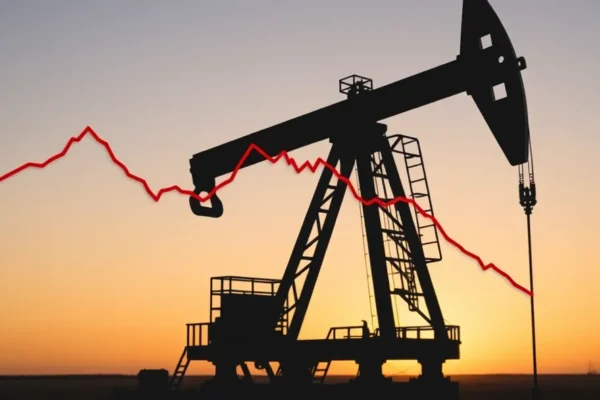
The Recent Cooling of Global Oil Markets
In recent weeks, global energy markets have experienced a notable downward trend in pricing. Both Brent crude, the international benchmark, and WTI oil, the primary US benchmark, have retreated from their mid-year highs. This shift follows intense diplomatic efforts in the Middle East aimed at de-escalating regional tensions. According to reports from the International Energy Agency and various market analysts, the primary catalyst for this decline is a growing market perception that the risk of a major disruption to energy supply is subsiding. As diplomatic channels open, traders are recalibrating their expectations regarding the probability of a supply shock in one of the world’s most critical oil-producing regions.
Strategic Rationale for Easing Price Pressure
The recent drop in oil prices is not merely a reaction to headlines but a response to shifting risk premiums in commodity trading. A risk premium is the extra amount investors demand as compensation for the uncertainty of holding a risky asset during unstable times. When diplomatic progress occurs, that premium shrinks. For market participants, the current rationale is clear: if the risk of regional conflict decreases, the likelihood of a sustained closure of vital shipping lanes or damage to production facilities drops as well. By factoring in these diplomatic overtures, investors are effectively voting for a more stable, albeit still cautious, long-term oil outlook. This strategic reassessment allows the market to focus once again on traditional supply and demand metrics rather than fear-based speculation.
Competitive Dynamics in Global Energy Markets
The decline in crude oil prices creates a divergent set of winners and losers. For energy-importing nations and sectors with high fuel consumption, such as airlines and shipping companies, lower energy costs provide a direct boost to profit margins and reduce inflationary pressure. Conversely, national oil companies and private energy giants are seeing their short-term revenue forecasts adjusted downward. This landscape forces companies to pivot their competitive positioning. For instance, producers are currently evaluating whether to maintain current output levels or tighten supply to support prices. Competitors who invested heavily in low-cost production are better positioned to weather this volatility, while those with high operational costs are under increased pressure to streamline their internal processes to maintain profitability during a price slump.
Industry Implications and Sector Shifts
The broader energy sector is currently navigating a period of significant market volatility. Industry peers are observing these developments closely to determine whether the current dip is a temporary fluctuation or a sustained trend. Historically, periods of lower prices often lead to a reduction in capital expenditure—the money companies spend to maintain or grow their assets—as firms look to protect their cash flow. If this trend continues, we may see a slowdown in new drilling projects across the industry. Furthermore, the focus is shifting toward capital discipline, where companies prioritize returning value to shareholders through dividends and buybacks rather than aggressive production expansion, a trend noted in recent earnings calls from major players like ExxonMobil and Chevron.
Financial and Operational Impacts on Producers
The financial impact of falling oil prices varies by company scale and debt profile. In the short term, lower prices hit top-line revenue, forcing firms to reconcile their budgets with reduced cash inflows. Operationally, companies are doubling down on cost-reduction strategies to maintain their break-even point. Break-even is the price of oil at which a company covers its production costs and interest expenses. For many shale producers in the United States, keeping this number low is a matter of survival. While some larger, integrated energy firms possess the balance sheet strength to survive extended periods of low prices, smaller independent producers may face liquidity challenges if prices fall below their specific cost of extraction for a sustained period.
Execution Risks and Market Challenges
While diplomacy offers hope, execution risk remains the defining factor for future price stability. Execution risk is the danger that a strategy or a diplomatic agreement fails to deliver the expected result. The primary challenge here is that diplomatic resolutions are often fragile and can be reversed by sudden political shifts. Furthermore, the market must contend with the “actual” supply reality. Even if geopolitical tensions cool, the Organization of the Petroleum Exporting Countries (OPEC) and its allies still hold significant influence over global supply constraints. If these groups decide to cut production further to prop up prices, the current downward trend could be abruptly halted. Investors must balance the optimism of diplomacy with the cold reality of production quotas and global demand trends.
Stakeholder Implications and Sentiment
The current environment influences a wide array of stakeholders, from employees in the energy sector to global consumers. For employees, a downturn in prices can lead to a more conservative hiring environment as firms look to tighten their belts. For investors, the volatility has sparked a shift in sentiment; many are moving away from speculative positions in favor of companies that demonstrate high operational efficiency. Meanwhile, for the average consumer, lower oil prices are generally viewed as a positive development that eases the cost of living. However, this creates a complex political landscape for governments, which must balance the popularity of lower energy costs against the need for a robust and reliable domestic energy industry.
Outlook and Next Steps for the Market
Looking ahead, the market is waiting for clear signals that the diplomatic developments in the Middle East are translating into permanent stability. Investors should monitor key milestones, including updates on regional ceasefire negotiations and the next meeting of major oil-producing nations. Success for this market trend will be measured by whether Brent crude and WTI oil prices stabilize at a range that prevents further inflation but still supports necessary energy infrastructure investment. Failure, defined as a sudden spike in prices, would likely occur if diplomatic progress collapses or if new supply-side disruptions emerge in key transit chokepoints.
Key Questions and Answers
Is the decline in oil prices sustainable?
Price sustainability depends heavily on whether the current diplomatic progress in the Middle East leads to long-term regional stability. If energy markets perceive that the threat to supply chains has been neutralized, prices may remain lower, though they will continue to be influenced by global supply constraints and demand shifts.
Why are energy markets so sensitive to Middle East news?
The Middle East remains a critical hub for global energy supply, with a significant percentage of the world’s daily output and transit volume originating from or moving through the region. Consequently, any news regarding geopolitical tensions there directly impacts the risk premium that traders bake into the price of crude oil.
How do major oil companies prepare for this kind of market volatility?
Leading firms typically employ a strategy of financial discipline, focusing on lowering their break-even costs through technological innovation and operational efficiencies. By maintaining strong balance sheets, these companies can absorb short-term dips in revenue without compromising their long-term strategic goals.
What does this mean for the price of gasoline and consumer goods?
Lower oil prices generally lead to a reduction in fuel costs, which acts as a form of relief for consumers and helps to lower the cost of transporting goods. However, because energy markets are complex, the impact at the pump can be delayed due to refining costs and regional distribution factors.
What are the biggest risks to this downward price trend?
The primary risks include a sudden breakdown in diplomatic efforts, an escalation of conflict that physically impacts infrastructure, or coordinated supply cuts by major production alliances. Any of these events could cause a rapid reversal in investor sentiment and drive prices back up.
Please note that all business outcomes discussed in this analysis are subject to execution risk and broader market uncertainties. Strategies mentioned are subject to change based on internal company decisions and shifting global geopolitical realities. No market outlook should be considered a guarantee of future financial performance.











