

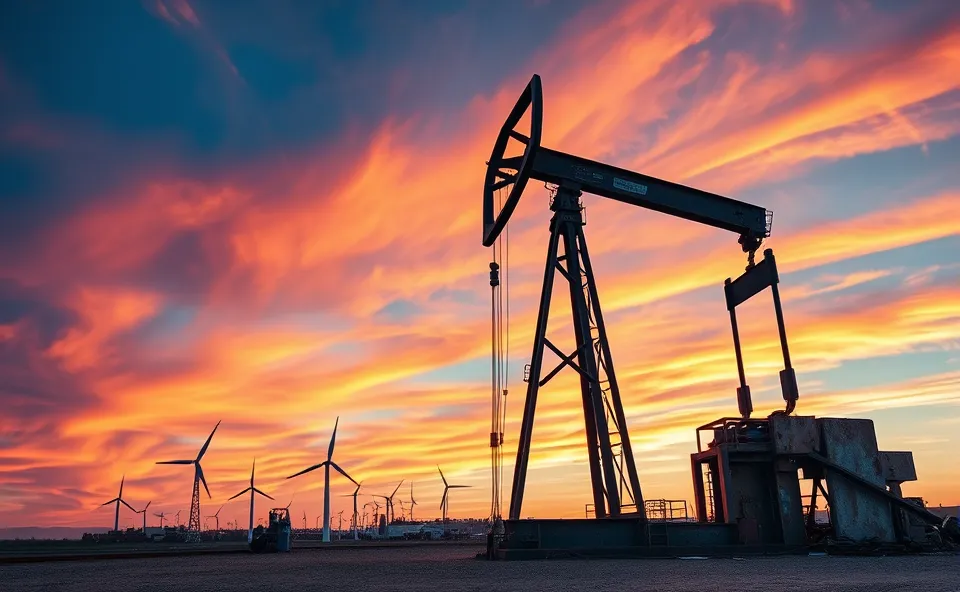
Imagine this: dusty, old oil fields, once symbols of our energy past, are getting a whole new lease on life. They’re not just sitting there anymore; they’re becoming the unlikely heroes of our clean energy future. We’re talking about repurposing old oil wells to generate power, turning potential pollution sources into vital power hubs.
From Drilled Holes to Power Sources
So, what exactly is happening? In the US, there are hundreds of thousands, if not millions, of old oil and gas wells. Many of them have been plugged and abandoned. Now, smart people and innovative companies are looking at these very same sites and seeing opportunity. Instead of letting them be forgotten or even become environmental liabilities, they’re figuring out how to use the infrastructure and the very ground they’re drilled into to create clean energy. It’s a fascinating transformation, taking something associated with fossil fuels and making it work for renewable power.
Think of it like this: these wells already go deep into the earth. That depth is perfect for tapping into a different kind of energy, one that’s always there and completely clean. This well repurposing isn’t just a minor tweak; it’s a significant shift in how we view these resources.
Why the Buzz Now?
You might be wondering why this is making waves right now. Well, the push for cleaner energy is stronger than ever. We’re all more aware of climate change and the need for sustainable solutions. At the same time, the practicalities are starting to line up. Developing new energy projects can be expensive and time consuming, often requiring vast amounts of land. Repurposing old oil wells offers a shortcut, a way to leverage existing infrastructure and locations that are already understood. It’s a smart and efficient approach to the energy transition.
Plus, there’s a growing recognition that we need to deal with the legacy of our energy past. Abandoned wells can pose risks, like methane leaks. Finding ways to give them a productive purpose not only generates clean energy but also helps mitigate those older problems. It’s a win-win that’s capturing the attention of everyone interested in green infrastructure and pollution reduction.
A Look Back at the Source
To truly appreciate this shift, it helps to remember how we got here. For over a century, the United States has been a major player in oil and gas production. We drilled countless wells, extracting the fossil fuels that powered our industries and our lives. But as technology advanced and new fields were discovered, older wells were eventually retired. They were capped, often left to sit idle.
The challenge with these abandoned wells has always been twofold: their potential environmental impact and the sheer number of them. They represent a significant footprint on the land. For a long time, the conversation was mostly about plugging them securely and monitoring for leaks. Now, the conversation has evolved to something far more exciting: repurposing wells for a completely different, cleaner purpose. This background context highlights the remarkable ingenuity behind finding new uses for old structures.
The Big Picture: Powering Tomorrow
So, what does this mean for us? It’s actually pretty big. For starters, it means more clean energy. By repurposing old oil wells, we’re adding to our capacity for renewable power generation without necessarily needing to start from scratch. This is crucial for meeting our energy demands while reducing our reliance on fossil fuels.
One of the most promising ways old wells are being repurposed is for geothermal energy. Deep wells are perfect for accessing the Earth’s natural heat. This heat can be used directly for warming buildings or, more commonly, to generate electricity. The ground beneath us is a constant source of warmth, and these wells provide a ready-made pathway to tap into it.
Another exciting application is carbon capture and storage. In this process, carbon dioxide, a major greenhouse gas, is captured from industrial sources and then injected deep underground for permanent storage. Old oil wells can be ideal for this because they already penetrate deep geological formations that are suitable for storing CO2 safely. This technology is vital for pollution reduction efforts.
Here’s a breakdown of the impact:
- Accelerated Energy Transition: Leveraging existing infrastructure speeds up the move towards cleaner energy sources.
- Economic Opportunities: New industries and jobs are emerging in well repurposing, maintenance, and operation.
- Environmental Benefits: Turning potential pollution sites into energy generators and carbon sinks provides a dual environmental win.
- Land Use Efficiency: Utilizes land already marked by past resource extraction, potentially reducing the need for new land development.
- Energy Security: Diversifying energy sources with domestic, renewable options enhances national energy independence.
Essentially, we’re transforming liabilities into assets, making the energy transition more achievable and more sustainable.
What’s Next on the Horizon?
Looking ahead, the trend of repurposing old oil wells is likely to grow. As the technology matures and more successful projects demonstrate its viability, we can expect to see wider adoption. Investment in this area is expected to increase as businesses and governments recognize the potential for significant impact.
We’ll probably see more research and development focused on optimizing the processes for geothermal energy extraction and carbon capture within these existing wellbores. Innovations in materials science and drilling techniques will likely make these repurposing efforts even more efficient and cost-effective. Imagine a future where vast networks of old oil fields are humming with clean energy production, quietly contributing to a healthier planet.
This isn’t just a theoretical idea; it’s actively happening now. As more old oil wells are brought back online for new purposes, the landscape of our energy production will continue to transform. It’s a powerful example of how innovation can lead to sustainable solutions and a cleaner future, driven by the very resources we once relied on for fossil fuels.
Frequently Asked Questions
Can old oil wells really generate clean energy?
Yes, old oil wells are being repurposed in several ways to generate clean energy. The most significant method is using them to access geothermal energy, tapping into the Earth’s natural heat to produce electricity. They can also play a role in carbon capture initiatives, storing greenhouse gases deep underground.
What kind of clean energy is best suited for repurposing old oil wells?
Geothermal energy is a prime candidate for well repurposing because oil and gas wells often penetrate deep enough to reach areas with significant subterranean heat. Carbon capture and storage is another key application, utilizing the well’s depth to safely sequester CO2.
How does repurposing wells help with pollution reduction?
Repurposing wells helps with pollution reduction in two main ways. Firstly, by generating clean energy like geothermal power, it displaces the need for fossil fuel-based energy production, which is a major source of pollution. Secondly, some repurposed wells are specifically used for carbon capture and storage, directly removing pollutants from the atmosphere.
Is well repurposing a new technology for generating renewable power?
While the concept of accessing underground resources is old, the specific application of repurposing old oil wells for large-scale clean energy generation, particularly geothermal and carbon capture, is a relatively new and evolving field. It’s a growing trend within the broader energy transition.
What are the benefits of using old oil wells for sustainable solutions?
Using old oil wells for sustainable solutions offers several benefits. It leverages existing infrastructure and locations, reducing development time and costs. It provides a path for pollution reduction by generating clean energy and enabling carbon capture. It also helps in the productive reuse of land that might otherwise be idle or pose environmental risks, contributing to a more robust green infrastructure.











