

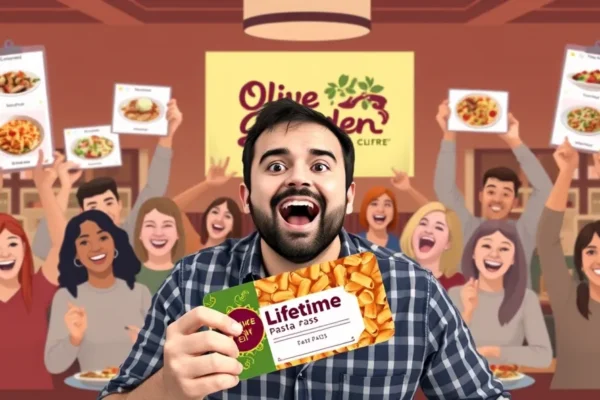
The Braden Sinclair Phenomenon: How an Olive Garden Lifetime Pasta Pass Became a Social Media Spectacle
In an era where digital influence can shape real-world decisions, the story of Braden Sinclair and his Olive Garden Lifetime Pasta Pass offers a fascinating glimpse into the power of an engaged internet following. What started as a seemingly simple acquisition of a coveted loyalty program perk has evolved into a viral trend, showcasing how online communities can sway even the most mundane, yet enduring, dietary choices. This isn’t just about unlimited pasta; it’s a case study in how social media amplifies personal experiences and cultivates unique digital ecosystems.
Understanding the Olive Garden Lifetime Pasta Pass
At its core, the Olive Garden Lifetime Pasta Pass is a unique loyalty program offering, not a widely available consumer product. The restaurant chain, known for its Italian-American fare, has occasionally offered these passes as limited-edition promotions. Owning one grants the holder “unlimited” servings of select pasta dishes for life. While the specifics and availability have varied, these passes represent a significant commitment from both the user and the restaurant chain, tapping into the desire for consistent dining value and a touch of exclusivity. The significance of this particular pass is amplified by its scarcity and the public persona of its owner, Braden Sinclair.
The Mechanism of Influence: A Digital Ecosystem at Play
The “how” behind Braden Sinclair’s food choices being influenced by his internet following is rooted in the principles of community engagement and interactive content creation. Think of his social media presence as a digital town square. When Sinclair posts about his Olive Garden experiences, his followers are not passive observers. They actively comment, suggest dishes, and even debate the merits of different pasta combinations. This constant stream of feedback creates a dynamic where Sinclair’s personal preferences can be, and often are, shaped by the collective voice of his online community. His “cult following,” as some might call it, thrives on this shared experience and the direct impact they can have on his daily dining. This is akin to a participatory game where the audience gets to direct the player’s actions, making the content more engaging and personal.
Key elements of this influence include:
- Direct Interaction: Followers engage in real-time through comments and messages, offering immediate feedback and suggestions.
- Content Co creation: While Sinclair makes the final decision, his followers actively contribute ideas and shape the narrative around his dining.
- Community Building: The shared interest in his Olive Garden experiences fosters a sense of belonging among his followers, encouraging continued participation.
- Algorithmic Amplification: Popular comments and engaging discussions on his posts signal to social media algorithms that the content is valuable, leading to wider reach.
Current State and Real-World Applications
The Olive Garden Lifetime Pasta Pass, in its limited form, is a rarity. While Olive Garden itself is a mainstream restaurant chain, the lifetime pass is more of a unique promotional item than a standard loyalty program feature. Braden Sinclair’s use of it, however, has become a real-world application of social media influence within the fast-casual dining sector. His content serves as a living advertisement for the brand, albeit an unconventional one. His internet following is not a niche group; it spans various platforms, drawn to his consistent and often humorous take on a familiar dining experience. The “viral trend” aspect is currently centered on his personal journey with the pass, making him a de facto food influencer for a specific, albeit enthusiastic, segment of the online population.
The Competitive Landscape of Food Influence
While Braden Sinclair’s situation is unique due to the specific nature of the Olive Garden Lifetime Pasta Pass, the broader concept of food influencers is a highly competitive space. Numerous individuals leverage social media to showcase dining experiences, review restaurants, and promote brands. Competitors range from micro-influencers focusing on local eateries to global personalities collaborating with major fast food chains and restaurant groups. Olive Garden itself engages in traditional marketing alongside initiatives that might involve influencers. Sinclair’s advantage lies not in traditional influencer marketing, but in the inherent novelty and perceived exclusivity of his lifetime pass, combined with his authentic, community-driven engagement. This differentiates him from many paid endorsements, as his content feels more organic and audience-led.
Implications and Impact on Consumer Behavior
The Braden Sinclair phenomenon has several implications. For restaurant chains, it highlights the potential power of gamified loyalty programs and user-generated content. It demonstrates that even a seemingly simple, long-term perk can become a significant marketing asset when amplified by the right personality and an engaged audience. For consumers, it reinforces the growing trend of social media influencing purchasing decisions, from dining choices to product purchases. This can lead to more informed decisions but also raises questions about authenticity and the potential for algorithmic manipulation. In the short term, it’s a fun, engaging story that drives conversations. In the long term, it could encourage more brands to explore unique loyalty programs that foster genuine community interaction and user-generated promotion, potentially shifting marketing budgets towards organic influence.
Limitations and Challenges
Despite the engaging narrative, there are limitations to this model. The Olive Garden Lifetime Pasta Pass itself is not a scalable product for the restaurant chain; its value is in its exclusivity and promotional impact. For Sinclair, the reliance on a single restaurant chain’s menu, even with variety, presents a potential challenge for long-term content sustainability. Furthermore, the “cult following” dynamic, while powerful, can also be susceptible to shifts in online trends and audience fatigue. There’s also the inherent challenge of authenticity; while Sinclair’s engagement appears genuine, the line between personal experience and promotional content can blur, a common concern with any influencer-driven trend. The longevity of such a trend is also a question mark, dependent on sustained audience interest and Sinclair’s continued engagement.
Future Trajectory of Influenced Dining Choices
Looking ahead, we can expect more brands to experiment with highly exclusive, long-term loyalty programs that generate buzz. The trend of audience participation in content creation is likely to grow, with platforms offering more tools for interactive storytelling. For individuals like Braden Sinclair, the trajectory could involve diversifying content while still leveraging the core appeal of his unique situation. The key development to watch will be how restaurant chains, and indeed other industries, adapt their loyalty and marketing strategies to harness the power of sustained, organic community engagement. The timeline for broader adoption of such nuanced influencer-driven strategies is already underway, with brands increasingly recognizing the value beyond traditional advertising spend.
Key Questions and Answers About the Olive Garden Lifetime Pasta Pass Phenomenon
What exactly is the Olive Garden Lifetime Pasta Pass?
The Olive Garden Lifetime Pasta Pass is a very limited promotional item, not a standard loyalty program offering, that grants the holder unlimited servings of select pasta dishes for life. Its rarity makes it a unique asset.
How does Braden Sinclair’s internet following influence his food choices?
His internet following influences his food choices through active engagement, suggestions, and discussions on his social media posts, creating a dynamic where the collective audience opinion can shape his dining decisions.
Is this a common loyalty program now?
No, the Olive Garden Lifetime Pasta Pass is exceptionally rare and was part of specific, limited promotions. It is not a widely available loyalty program for the general public.
Who benefits from this situation?
Braden Sinclair benefits from consistent content creation and audience engagement. Olive Garden benefits from increased brand visibility and a unique form of viral marketing. His followers benefit from an interactive and entertaining online community.
What are the risks associated with this trend?
Risks include audience fatigue, potential for content to become repetitive, and the blurring of lines between authentic personal choices and subtle promotion, which is a common challenge in influencer-driven content.
How long until this type of audience-influenced dining becomes mainstream?
Elements of audience influence are already mainstream in social media marketing. However, the specific scenario of a lifetime pass being the centerpiece of this influence is unique and unlikely to be replicated broadly, though the underlying principles of community-driven marketing are here to stay.
This article explores the unique intersection of a specific restaurant loyalty program and the dynamics of social media influence. The capabilities discussed are based on observed user behavior and the nature of the Olive Garden Lifetime Pasta Pass as a promotional item, rather than a widely available technological innovation.











