

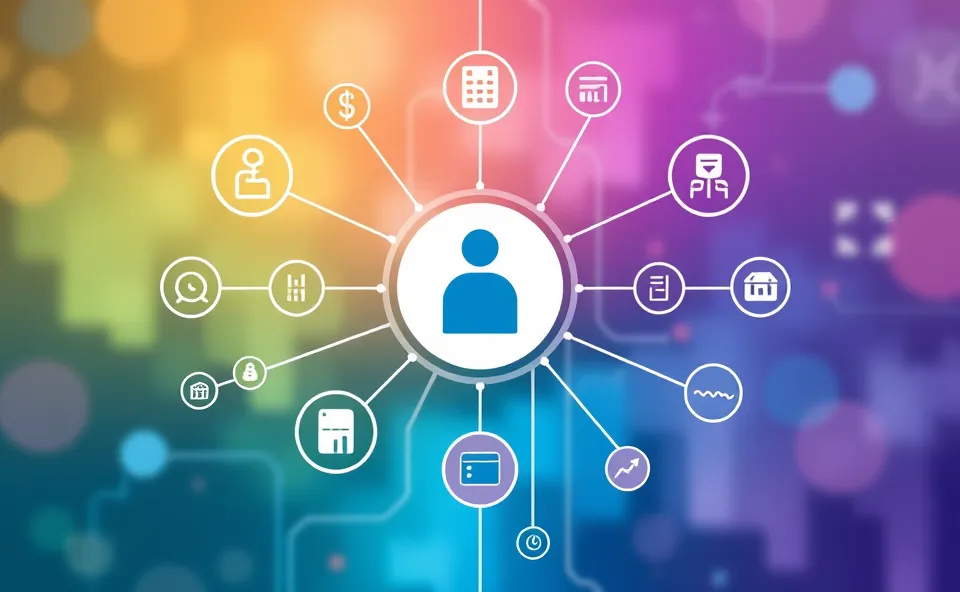
Ever heard the term open banking floating around and wondered what on earth it means for you, your money, and your bank accounts? You’re not alone! It sounds like something from a tech conference, but open banking is actually a pretty big deal for everyday consumers. Let’s break it down like we’re chatting over coffee.
Unpacking the Mystery: What Exactly is Open Banking?
Think of your bank like a castle. For years, your financial data — your transaction history, your balances, who you pay — was locked safely inside, accessible only by you and the bank itself. Open banking is like the king deciding to open the castle gates, but in a very controlled and secure way. It allows you to grant permission to trusted third party companies to access your financial data or even to initiate payments on your behalf, all through secure connections called banking APIs.
So, instead of just your bank seeing all your financial data, other approved companies can now do so, if you say yes. This isn’t about giving anyone free rein; it’s about sharing specific pieces of information with specific apps or services you choose to use. It’s about making your financial information work harder for you, outside the traditional walls of your bank.
Why the Buzz Now? What’s Driving This Trend?
You might be asking why open banking is suddenly everywhere. A big part of the current interest is thanks to regulations like PSD2 Payment Services Directive 2 in Europe. This law, and similar initiatives in other regions, pushed banks to create these secure ways for third parties to connect to their systems. The goal? To foster more competition and innovation in the financial services industry.
Beyond regulations, we’re living in a digital world. We expect seamless experiences with our apps, from ordering food to managing our social media. Consumers are increasingly looking for better ways to manage their money, compare financial products, and automate tasks. Open banking is the engine that powers these new, smarter digital banking experiences. People are actively searching for tools that can simplify their money management, and open banking is the key to unlocking those possibilities.
A Little History: How We Got Here
For decades, your bank held all your financial cards. If you wanted to use a budgeting app or a comparison website, you often had to manually input all your data, which was tedious and prone to errors. Banks were hesitant to share data, and there wasn’t a standardized, secure way for them to do so.
The landscape began to shift as governments recognized the benefits of a more competitive financial sector. They saw that by opening up access to financial data, a wave of new, innovative services could emerge. This led to regulations that mandated banks to develop secure APIs. Think of APIs as the secure messengers that allow different software applications to talk to each other. In open banking, these APIs are specifically designed to facilitate the secure sharing of financial data, ensuring consumer protection is at the forefront.
So, What Does This Mean for You? The Real Impact
This is where it gets exciting for consumers. Open banking unlocks a whole new world of possibilities for managing your finances and accessing financial services:
- Smarter Money Management: Imagine an app that pulls all your bank accounts, credit cards, and even savings from different institutions into one place. You can see your complete financial picture at a glance, track spending, set budgets, and get personalized insights.
- Better Deals and Products: With your permission, apps can analyze your spending habits to help you find better deals on loans, mortgages, insurance, or even savings accounts that truly fit your needs. No more endless searching across different websites.
- Easier Payments: Open banking allows you to make payments directly from your bank account through a third party app, often with lower fees than traditional methods. Think paying for something online without needing to enter your card details.
- Personalized Financial Advice: Services can offer more tailored advice because they have a clearer understanding of your financial situation, helping you make more informed decisions about your money.
- Streamlined Applications: Applying for loans or other financial products could become much faster as you can grant verified access to your financial data, reducing the need for extensive paperwork.
Essentially, open banking puts you more in control of your financial data and how it’s used to benefit you. It’s about creating a more personalized and efficient financial life, powered by technology and strong consumer protection measures.
What’s Next on the Horizon for Open Banking?
The journey of open banking is far from over. We’re likely to see even more innovative applications emerge as businesses and developers get creative with the possibilities. Expect to see:
- Greater Integration: Open banking will likely become more seamlessly integrated into everyday apps and services, not just dedicated finance apps.
- Advanced Personalization: As more data becomes available (with your consent, of course), financial services will become even more personalized and predictive.
- Focus on Security and Privacy: Continuous improvements in security protocols and privacy controls will be crucial as open banking expands. Consumer trust is paramount.
- Broader Adoption: As more consumers experience the benefits, demand for open banking powered services will grow, pushing more financial institutions to adopt it.
The future is about a more interconnected and customer centric financial ecosystem, where your data is your asset, and you decide how it’s leveraged for your advantage.
Frequently Asked Questions About Open Banking
What is open banking for consumers?
Open banking for consumers means you can safely share your financial data with trusted third party companies. This allows these companies to offer you new services like consolidated money management tools, better financial product comparisons, or easier ways to make payments, all with your explicit permission.
How does open banking affect my bank accounts?
Open banking doesn’t change how your bank accounts work fundamentally, but it allows you to connect them to other approved financial services. You can get a clearer view of all your bank accounts in one place, and potentially initiate payments or access new financial services directly from these connected apps.
Is my financial data safe with open banking?
Yes, security and consumer protection are key principles of open banking. It relies on secure banking APIs and strict regulations to ensure that your data is only shared with your explicit consent and protected against unauthorized access. You always have control over who can access your information.
What are the benefits of open banking for money management?
The main benefit for money management is convenience and insight. Open banking allows you to see all your financial accounts in one dashboard, track spending across different providers, get personalized budgeting advice, and discover financial products that better suit your needs, all in one place.
How do I start using open banking services?
To start using open banking services, you’ll typically download an app or sign up for a service that requires access to your financial data. When prompted, you will be redirected to your bank’s secure portal to authorize the connection and grant specific permissions. You’ll always be asked for your consent before any data is shared.











