

The Big AI Idea from OpenAI
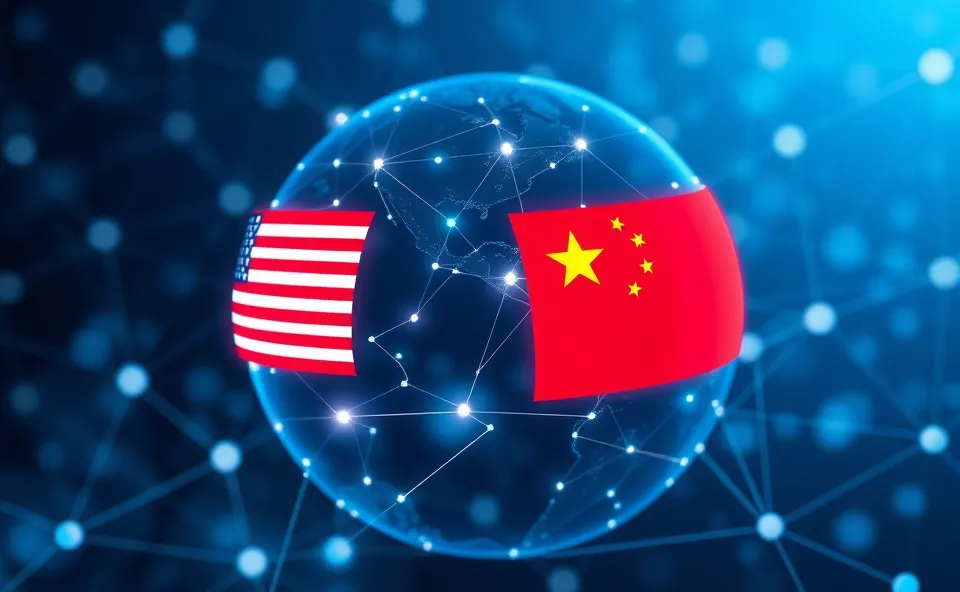
So, OpenAI, the folks behind some seriously impressive AI like ChatGPT, have thrown a big idea into the ring. They’re proposing the creation of a new global body to help govern artificial intelligence. Think of it like a United Nations, but specifically for AI. The twist, and it’s a pretty significant one, is that they envision this body being U.S.-led but importantly including other major players like China. This is a major topic of discussion right now as we all try to figure out how to best manage the rapid rise of AI.
Why All the Buzz About AI Governance Now?
This proposal has landed at a time when AI is moving at breakneck speed. We’re seeing AI tools become more capable and integrated into our lives faster than many predicted. With this rapid progress comes a growing need for guardrails. People are searching for answers about AI regulation, and OpenAI’s idea is a significant proposal from a key player in the field. It taps into the public’s curiosity and concern about the future of artificial intelligence and how we ensure its development is safe and beneficial for everyone. The conversation around AI safety and ethics is heating up, and this proposal is right in the middle of it.
A Peek Back: The Road to AI Oversight
To really get why OpenAI’s proposal is a big deal, we need a little context. For years, the tech world has been grappling with how to manage powerful new technologies. AI, with its potential to transform industries and society, has been a particular focus. Early discussions often centered on ethical considerations and potential risks. Now, as AI capabilities surge, governments and organizations worldwide are starting to seriously consider concrete steps towards artificial intelligence regulation. The idea of international AI policy isn’t new, but the specific proposal for a U.S.-led body that includes China signals a potential shift in how these global technology standards might be shaped. Chris Lehane, a key figure at OpenAI, has been vocal about the need for proactive governance, highlighting that waiting too long could lead to more difficult problems down the line.
What This Means for All of Us
This U.S.-led global AI governance body idea, especially with China involved, has massive implications. For businesses, it could mean a more predictable landscape for developing and deploying AI. Instead of navigating a patchwork of different national rules, a global framework could offer clarity. For technology itself, it could help steer innovation towards safer and more beneficial applications, potentially setting global technology standards. Think about AI ethics becoming a core part of development from the start, not an afterthought. For international relations, the inclusion of China is particularly noteworthy. It acknowledges that AI is a global phenomenon and that effective governance requires collaboration, even between geopolitical rivals. This could impact U.S.-China relations in the realm of emerging tech oversight, potentially fostering dialogue or highlighting existing tensions. Ultimately, it’s about trying to ensure that AI development benefits humanity as a whole, not just a select few.
Looking Ahead: What’s Next for AI Governance?
OpenAI’s proposal is just that, a proposal. It’s the beginning of a conversation, not the end. The next steps will involve a lot of diplomacy and discussion. Will other countries buy into a U.S.-led initiative? How will China respond to such an invitation? Will the focus be on research, development, or deployment of AI? The success of such a body will depend on its ability to gain broad international buy-in and establish mechanisms for real, enforceable AI governance. It’s likely that any progress will be incremental, with initial agreements focusing on specific areas of AI safety or ethics. The path forward for international AI policy is complex, but OpenAI’s bold suggestion has certainly put the topic front and center, pushing us to think more seriously about the future of AI oversight.
Frequently Asked Questions About AI Governance
What is AI governance?
AI governance refers to the rules, practices, and principles that guide the development, deployment, and use of artificial intelligence. It’s about ensuring AI technologies are used responsibly, ethically, and safely. This includes establishing AI ethics guidelines and frameworks for artificial intelligence regulation.
Why is international AI policy important?
Artificial intelligence is a global technology with cross-border implications. An international AI policy is crucial for setting consistent global technology standards, preventing a regulatory race to the bottom, fostering collaboration on AI safety, and ensuring that the benefits of AI are shared widely.
What role does OpenAI play in AI governance discussions?
OpenAI, as a leading developer of advanced AI systems, has a significant role in these discussions. Their proposals, like the U.S.-led global AI governance body, aim to shape the direction of artificial intelligence regulation and promote responsible AI development and AI ethics.
How might U.S.-China relations affect global AI governance?
U.S.-China relations are a key factor in global AI governance. Including China in a U.S.-led AI governance body could lead to either increased cooperation or highlight existing geopolitical challenges in emerging tech oversight. Their participation is vital for any truly global framework.
What are the key challenges for AI safety?
Key challenges for AI safety include ensuring AI systems are reliable and secure, preventing unintended consequences, addressing bias in AI algorithms, and mitigating potential misuse of AI. Establishing robust AI ethics and effective artificial intelligence regulation are central to tackling these challenges.











