

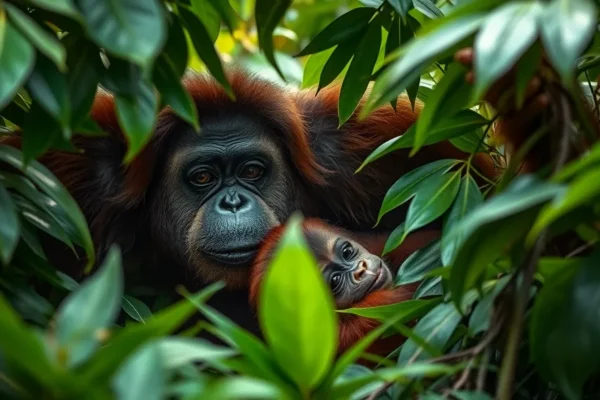
A Green Surge of Hope: The Secret Orangutan Breeding Program’s Success Story
The plight of orangutans, those gentle, tree-dwelling great apes, has long been a cause for concern. Habitat loss due to deforestation for palm oil plantations and other agricultural developments has pushed these intelligent primates to the brink of extinction. However, a quiet revolution is unfolding behind the scenes in zoological institutions worldwide – a remarkably successful orangutan breeding program that is not only boosting populations but also sparking a global conversation on wildlife protection. This initiative, often working with quiet determination, has recently seen a notable “orangutan baby boom,” captivating the public and underscoring the vital role of zoo conservation efforts.
The Innovation of Dedicated Conservation Breeding
At its heart, this development is about a strategic and coordinated approach to ensuring the survival of a species. The problem it solves is a stark one: declining wild populations and a significant risk of extinction for orangutans. The success of these dedicated orangutan breeding programs, often managed by organizations like the Association of Zoos and Aquariums (AZA) Species Survival Plan (SSP) or similar international bodies, lies in their meticulous planning and collaborative efforts. What makes this particularly significant now is the recent surge in births across numerous zoos, leading to what many are calling an “orangutan baby boom.” This increased visibility, amplified by social media, is transforming public perception and engagement with primate breeding and endangered apes.
How These Programs Nurture New Life
Think of these orangutan breeding programs as highly sophisticated matchmaking services, but with the ultimate goal of saving a species. Behind the scenes, geneticists and animal care specialists carefully analyze the genetic makeup of every orangutan in participating zoos. Their aim is to maximize genetic diversity within the captive population. This means ensuring that unrelated individuals are paired, reducing the risk of inherited health problems and increasing the long-term viability of the species.
These programs go beyond simple pairing. They involve detailed health assessments, species-specific dietary plans, and carefully managed social groupings to encourage natural mating behaviors. For example, specialists study the hormonal cycles of females and observe social dynamics to identify optimal times for introductions and potential pairings. It’s a nuanced process that prioritizes the physical and psychological well-being of these highly intelligent great apes. When a new orangutan baby arrives, it’s a triumph for months, sometimes years, of careful planning and dedicated animal welfare.
Real-World Applications: Zoos as Sanctuaries and Centers for Awareness
Currently, these successful orangutan breeding programs are primarily implemented within accredited zoos and wildlife parks globally. Institutions like the San Diego Zoo, Chester Zoo in the UK, and the Singapore Zoo have been instrumental in this success, housing significant populations and contributing to the breeding efforts. These facilities act as living arks, safeguarding a portion of the species while also serving as powerful platforms for public awareness.
The recent “orangutan baby boom” has seen countless adorable photos and videos of orangutan infants shared across social media, from Instagram to TikTok. This organic spread of content, driven by public delight, has significantly boosted public awareness of orangutan conservation and the broader issue of wildlife protection. What was once a concern primarily for conservationists and researchers is now a trending topic, drawing attention to the urgent need for orangutan conservation and the positive impact of primate breeding initiatives. These programs are past the beta stage and are a mature, vital component of global conservation strategy for the species.
A Competitive Landscape of Conservation Efforts
While dedicated zoo-based breeding programs are a cornerstone, they are not the sole approach to orangutan conservation. In the wild, various organizations are actively working on habitat restoration and anti-poaching initiatives. These include groups like the Borneo Orangutan Survival Foundation (BOSF) and the Sumatran Orangutan Conservation Programme (SOCP), which focus on rescuing and rehabilitating orangutans displaced by habitat loss and returning them to protected areas.
The advantage of the zoo-based breeding program lies in its controlled environment, which allows for guaranteed reproductive success and the maintenance of genetic diversity, free from the immediate threats faced in the wild. However, the ultimate goal for many of these programs is to one day reintroduce individuals into suitable wild habitats. This makes the zoo programs complementary rather than competitive with in-situ conservation efforts. The collaborative nature of these zoo programs, often sharing data and individuals across institutions, is a key differentiator that strengthens their collective impact.
Transforming Public Perception and Driving Action
The implications of this orangutan baby boom are far-reaching. Beyond the immediate biological success, it has profoundly impacted public awareness and engagement with conservation. The sheer cuteness of an orangutan infant is a powerful, universal appeal. Social media platforms have become a critical tool, transforming complex conservation issues into relatable stories. This heightened public awareness can translate into increased donations for wildlife protection organizations, greater consumer awareness of sustainable palm oil, and stronger political will for environmental policies.
Economically, successful conservation can indirectly support ecotourism in regions where orangutans live, providing alternative livelihoods that reduce reliance on destructive industries. Socially, the success of these endangered apes offers a message of hope and demonstrates the tangible results of dedicated conservation efforts, fostering a sense of collective responsibility for animal welfare. In the short term, the impact is primarily educational and inspirational. In the long term, sustained success could contribute to the recovery of wild populations, securing a future for these magnificent great apes.
Navigating the Challenges of Conservation Breeding
Despite the successes, significant challenges remain. One of the primary hurdles is the limited space and resources available in zoos. While the current boom is positive, managing growing populations requires careful planning to avoid overcrowding and ensure each animal receives adequate care. Another challenge is the ethical consideration of keeping animals in captivity, even for conservation purposes. Animal welfare is paramount, and these programs must continually evolve to provide the most enriching environments possible.
Furthermore, the ultimate success of these programs hinges on the availability of suitable and protected wild habitats for potential reintroduction. Without restored forests, even a thriving captive population cannot fully address the root cause of the orangutan’s endangered status. Technical challenges also exist, such as the complexities of reintroducing captive-bred orangutans into the wild, which requires extensive training and monitoring to ensure their survival.
The Future Trajectory: From Arks to Reintroduction
The future trajectory for these orangutan breeding programs is clear: to continue bolstering the genetic health and numbers of the species while actively working towards reintroduction. Key developments to watch include advancements in reproductive technologies, such as assisted reproduction techniques, which could further enhance breeding efficiency. More importantly, expect continued emphasis on habitat restoration and protection in Southeast Asia, creating the safe havens necessary for successful reintroduction efforts.
The timeline for significant reintroduction of large numbers of orangutans is likely long-term, potentially decades away, as it depends heavily on the recovery of wild ecosystems. However, incremental successes and ongoing research will pave the way. Collaboration between zoo-based programs and in-situ conservation groups will be crucial, creating a seamless continuum of care from breeding to wild release.
Key Questions and Answers About the Orangutan Breeding Boom
What is the main goal of the orangutan breeding program?
The primary goal is to prevent the extinction of orangutans by maintaining a genetically healthy and viable captive population, and to support efforts for their eventual reintroduction into protected wild habitats. This initiative is a critical component of overall orangutan conservation.
How does the orangutan baby boom impact wild orangutan conservation?
The increased visibility of orangutan babies on social media raises crucial public awareness, which can translate into increased support for wildlife protection initiatives, sustainable consumer choices, and greater urgency for habitat preservation efforts aimed at saving endangered apes.
Are these breeding programs the same as wild conservation efforts?
No, they are complementary. Zoo conservation programs focus on breeding and genetic management in a controlled environment, while wild conservation efforts concentrate on habitat protection, anti-poaching, and rescue in their natural environments. Both are vital for the survival of great apes.
When will orangutans be released back into the wild?
The timeline for significant reintroduction is long-term and depends on the successful restoration and protection of their natural habitats. While some individual reintroductions may occur, widespread release is a future goal contingent on ecological recovery.
What are the limitations of these breeding programs?
Limitations include the finite space in zoos, the ethical considerations of captivity, and the complex challenges of reintroducing animals into the wild. The ultimate success also relies heavily on addressing the root causes of their endangerment, such as deforestation.
Who benefits from the orangutan breeding program’s success?
Ultimately, the orangutans themselves benefit by having their species’ survival secured. Humans benefit from increased awareness of biodiversity and the importance of wildlife protection, while conservation organizations gain vital support and momentum for their work.
This article discusses ongoing conservation efforts which are subject to continuous research and development. Specific timelines and outcomes may vary.











