

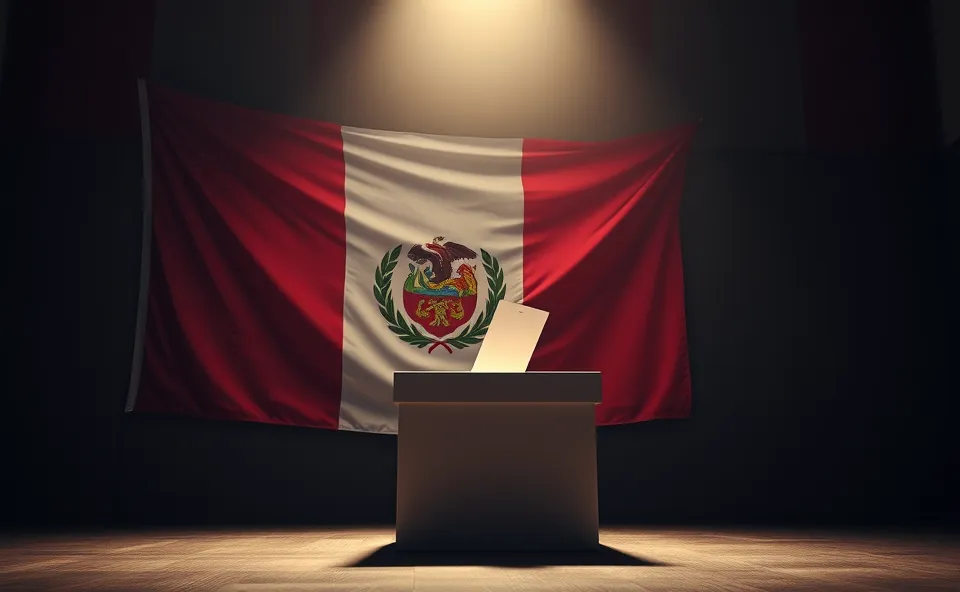
Peru’s Presidential Race: A Tight Finish Sparks Concern
Things are pretty tense down in Peru right now after their recent presidential runoff. It was a nail biter between Pedro Castillo, a leftist teacher, and Keiko Fujimori, the daughter of a former president. The results are so close that it’s led to some serious questioning, and that’s got everyone watching what happens next in Peruvian politics.
Why Everyone’s Talking About the Peru Election Fraud Claims
You’ve probably heard a lot about the Peru election fraud allegations swirling around. This is happening because the presidential runoff delivered incredibly tight election results. Castillo is currently holding a very narrow lead, but Fujimori isn’t conceding just yet. Instead, her side is raising concerns and making claims about voting irregularities. When a presidential race is this close, any hint of impropriety can really throw things into uncertainty, and that’s exactly what we’re seeing now in Peru.
A Glimpse into Peru’s Political Landscape
To really get why this presidential runoff is causing such a stir, we need to understand a bit about Peru’s recent history. For years, Peruvian politics has been a bit of a rollercoaster. We’ve seen a rapid turnover of presidents, and there’s been a deep divide between different political factions. Keiko Fujimori, for instance, comes from a powerful political dynasty. Her father, Alberto Fujimori, was a president who was later jailed for corruption and human rights abuses. Keiko herself has been a significant figure in Peruvian politics for a long time, having run for president before. Pedro Castillo, on the other hand, represents a more radical shift, appealing to working-class voters and promising significant social and economic changes. This fundamental difference in their platforms and their pasts already set the stage for a potentially contentious election. The fact that the election results are this close and now facing challenges means these underlying tensions are coming to the surface.
What This Electoral Dispute Means for Peru and Beyond
When you have a situation like this, with a close Peru runoff voting and accusations of fraud, the impact can be far reaching. For businesses operating in Peru or looking to invest, political instability is a major concern. It can lead to uncertainty about future policies, potential disruptions, and even affect currency stability. Think about it: if the government is busy dealing with an electoral dispute rather than focusing on economic development or creating a stable business environment, that’s a problem. Investors like predictability. When that predictability is shaken, they tend to hold back.
Beyond the immediate business impact, this kind of situation can also affect foreign relations and Peru’s standing on the international stage. If the electoral process is perceived as unfair or unstable, it can draw criticism from international observers and potentially affect trade deals or aid.
For the average Peruvian, the stakes are even higher. The outcome of this presidential race and the handling of these voting fraud claims directly impacts who will lead the country, what policies will be enacted, and the overall direction of their society. If the process is not seen as legitimate, it can lead to public frustration and further division within the country, potentially leading to more widespread political instability. It’s a situation where the integrity of democratic institutions is being tested.
Looking Ahead: What’s Next for Peru?
So, what’s the likely path forward for Peru? Given the current situation, it’s highly probable that the electoral authorities will need to thoroughly investigate all the voting fraud claims that have been lodged. This process will be crucial for establishing the legitimacy of the final election results. Depending on the findings, there could be several outcomes.
One possibility is that the investigation confirms Castillo’s narrow lead, and Fujimori eventually accepts the results, allowing for a peaceful transition of power. However, if the evidence is significant or if the investigation is perceived as biased by either side, it could lead to prolonged legal challenges. This could involve further appeals and could delay the final confirmation of the winner for an extended period.
Another scenario, though less likely if the institutions hold firm, is that the claims of fraud lead to a significant enough reevaluation of votes that the lead changes hands. This would be a very dramatic outcome.
What’s most important is how the different political actors and institutions handle this dispute. A transparent and fair investigation is key to rebuilding trust. If the process is managed well, it could actually strengthen Peru’s democratic institutions in the long run. If it falters, the risk of prolonged political instability in Peruvian politics remains a significant concern, potentially impacting the country’s ability to address its pressing economic and social challenges.
Frequently Asked Questions About the Peru Election
What are the main Peru election fraud claims being made?
The main Peru election fraud claims are coming from Keiko Fujimori’s campaign, which has raised concerns about alleged irregularities and voting inconsistencies during the recent presidential runoff voting. These claims are being reviewed by electoral authorities.
Who is leading in the Peru presidential runoff?
As of now, Pedro Castillo holds a very narrow lead in the Peru presidential runoff election results. However, the final outcome is still subject to the verification of votes and the resolution of any disputes related to the election results.
What is the history behind the Sanchez vs Fujimori rivalry in Peru?
While the recent runoff was between Pedro Castillo and Keiko Fujimori, the term Sanchez vs Fujimori might refer to a broader political landscape in Peru where different factions and leaders, like Keiko Fujimori and those associated with the current government or opposition figures, often find themselves in contention. Keiko Fujimori herself is a prominent figure with a significant political legacy in Peru.
How might these election results impact political instability in Peru?
The close election results and the ongoing electoral dispute have the potential to increase political instability in Peru. If the process is not perceived as fully legitimate or if the transition of power is significantly delayed or contested, it could lead to public unrest and further division within Peruvian politics.
What is the significance of the presidential runoff for Peru’s future?
The presidential runoff is significant because it represents a critical juncture for Peru’s future. The chosen leader will face immense challenges, including economic recovery and social inequality. The way this electoral dispute is resolved will set the tone for governance and the country’s stability for years to come.











