

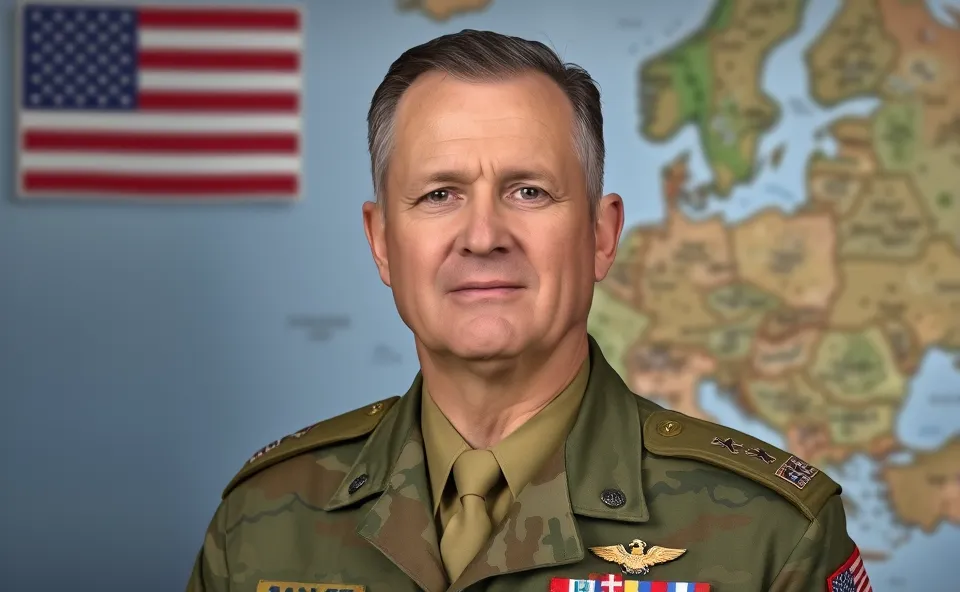
A Sudden Change in Military Command
The landscape of US military leadership just saw a significant shift. Pete Hegseth has made the bold decision to remove General CD Donahue from his position. This was not a standard transition or a planned handover of power. Instead, it was a forced retirement, meaning General Donahue was told his time in the role had come to an end much sooner than expected.
For those who follow the inner workings of the Pentagon, this move is a shock. General Donahue held a critical spot in the hierarchy, especially regarding how the US Army operates in Europe. When a high ranking officer is removed so abruptly, it usually signals a deep disagreement over strategy, leadership style, or the overall direction of the organization. In this case, Pete Hegseth is sending a clear message that the old way of doing things may no longer be welcome.
To put it simply, this is a housecleaning effort. By removing General Donahue, Hegseth is clearing the path to install leadership that aligns more closely with his specific vision for the US military. It is a power move designed to ensure that those at the top are fully on board with new policy goals, leaving no room for hesitation or internal pushback.
Why This Move is Dominating the Conversation
You might wonder why a single change in military personnel is causing such a stir in business and political circles. The reason is simple. This is not just about one person. It is about a broader military shakeup that many have been anticipating since Pete Hegseth entered the conversation regarding defense leadership.
People are searching for details on this because it represents a shift in how the US manages its global presence. General CD Donahue was a key figure in maintaining stability in Europe, and his sudden exit creates a vacuum. Investors, geopolitical analysts, and defense contractors are all paying attention because changes at the top of the European Command often lead to changes in spending, troop movements, and strategic priorities.
There is also a strong narrative around the idea of removing what some call woke leadership. Many followers of Hegseth believe the military has spent too much time on social engineering and not enough on combat readiness. The removal of General Donahue is being seen as the first real strike in a campaign to strip away administrative bloat and return the US Army to a more traditional, lethal focus. This makes the story a flashpoint for a much larger cultural and political debate.
The Context Behind the Conflict
To understand why this happened, we have to look at the background of both individuals. General Donahue has a long and distinguished career within the US Army. He has been instrumental in managing the complex relationships between the US and its allies in Europe. His role involved balancing the needs of various NATO members while keeping a close eye on threats from the east.
On the other side, Pete Hegseth has been a vocal critic of the current state of the Pentagon. He has argued that the military leadership has become too disconnected from the actual needs of the soldiers on the ground. Hegseth believes that the current defense policy has been diluted by political correctness and a lack of clear, aggressive objectives.
The tension here is a clash of philosophies. General Donahue represented the established order of the US military leadership. This order emphasizes diplomacy, long term alliances, and a steady, bureaucratic approach to command. Hegseth, however, favors a more disruptive approach. He wants leaders who are willing to break tradition to achieve results. The forced retirement of General Donahue is the direct result of these two worlds colliding.
The Ripple Effects on Global Security
When you remove a top leader from the European Command, the effects are felt far beyond the walls of the Pentagon. This move has immediate implications for how the US interacts with NATO and its allies. Trust is the currency of international diplomacy. When a key American general is suddenly removed, allies in Europe may wonder if the US is changing its commitment to the region.
Here are a few specific areas where we will likely see an impact:
- NATO Relations: European leaders rely on consistent communication with US Army leadership. A sudden change can create a temporary period of uncertainty and hesitation among ally nations.
- Defense Policy: We can expect a shift in priorities. Instead of focusing on broad administrative goals, the new leadership will likely prioritize hard power and combat readiness.
- Military Morale: Within the US Army, this move sends a signal to other officers. It shows that loyalty to the new vision of the Pentagon is the only way to maintain a high ranking position.
- Strategic Planning: Plans regarding troop deployments and exercise schedules in Europe may be reviewed or overhauled to fit Hegseth’s preferences.
For businesses in the defense sector, this is a critical moment. Companies that provide technology and equipment for the US Army in Europe may find that their contracts are scrutinized. If the new leadership wants a leaner, more aggressive force, the types of technology they invest in will change. We might see a shift away from administrative software and toward high end kinetic weaponry and advanced tactical gear.
What the Future Holds for the Pentagon
Looking ahead, the removal of General CD Donahue is likely just the beginning. It is rare for a leader like Pete Hegseth to stop at one person. This looks like the start of a systematic overhaul of the US military leadership. We should expect more forced retirements and a series of rapid appointments of leaders who are viewed as reformers.
The goal is likely to create a streamlined chain of command that can execute orders without the friction of bureaucratic debate. In the coming months, we will probably see a new set of guidelines for defense policy that emphasize strength and deterrence over diplomacy. This could lead to a more assertive US presence in Europe, potentially changing the dynamic with adversaries.
The biggest question is how the rest of the military will react. While some will welcome the return to a combat focused culture, others may see this as an unnecessary politicization of the officer corps. The balance the Pentagon strikes over the next year will determine whether the US Army becomes more efficient or if it suffers from internal instability.
Frequently Asked Questions
Why did Pete Hegseth remove General CD Donahue?
While official statements may be brief, the move is widely seen as a way to align military leadership with a new defense policy. Pete Hegseth wants leaders who prioritize combat readiness and traditional military values over the administrative and social policies of previous years.
What does forced retirement mean for the US Army?
Forced retirement means an officer is required to leave their post and retire before they originally planned. In the context of a military shakeup, it is a tool used to quickly remove leaders who are not in sync with the current administration’s goals.
How does this affect the US European Command and NATO?
The removal of General Donahue creates a temporary gap in leadership within the European Command. This can cause uncertainty among NATO allies who rely on stable and predictable leadership from the US Army to maintain security in Europe.
Will more officers face forced retirement under Pete Hegseth?
It is highly probable. Given Hegseth’s public stance on the need for a total overhaul of the Pentagon, the removal of General Donahue is likely a template for how he will handle other leaders who do not fit his vision for the military.
What is the main goal of this military shakeup?
The primary goal is to shift the focus of the US Army away from social policies and bureaucratic management. The aim is to reinstall a culture of lethality, efficiency, and clear strategic objectives in line with a more aggressive defense policy.











