

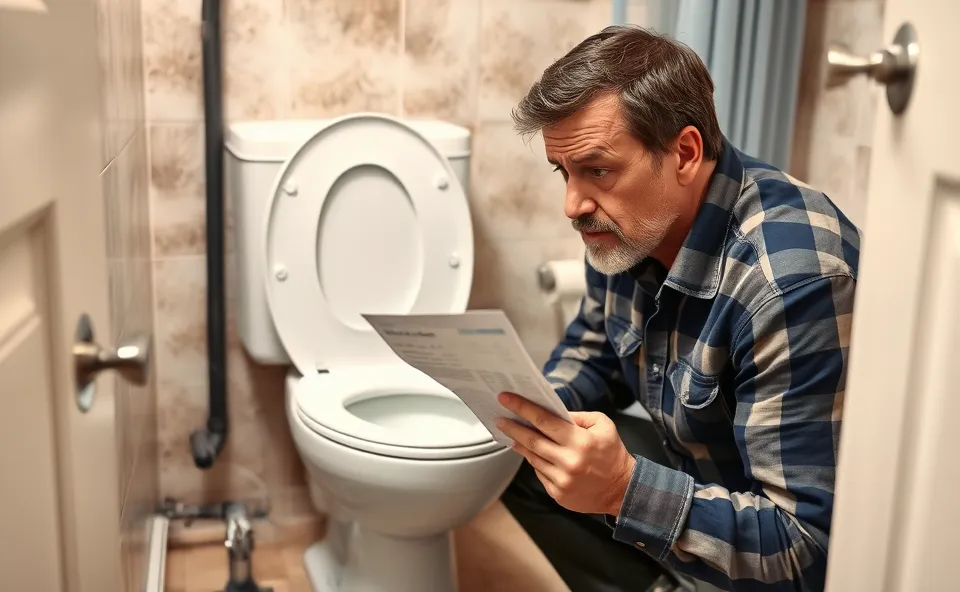
The nightmare of a fix that makes things worse
Imagine this. You notice your toilet is acting up. Maybe it runs constantly or leaks a bit from the base. You do the responsible thing and call a professional. The plumber comes over, spends an hour working on the tank, and tells you the toilet cistern fix is complete. You feel relieved. The problem is solved, and you can get back to your day.
But then, a few hours later, you hear it. A faint, persistent toilet hissing sound. You look closer and realize there is a new puddle forming on the bathroom floor. The original problem might be gone, but the repair process actually created a brand new leak. Now you are stuck in a stressful position. You have a professional who wants to be paid for their time, but you have a bathroom that is in worse shape than when you started.
This is where a simple home maintenance task turns into a plumber repair dispute. The tension comes from a basic disagreement over value. The plumber believes they provided a service and deserve payment. The homeowner feels that since the result is faulty plumbing, the service wasn’t actually provided. It is a frustrating loop that leaves both parties unhappy and the toilet still leaking.
Why these repair battles are trending now
You might wonder why so many people are suddenly talking about home repair issues and payment arguments. It is not that plumbers have suddenly become less skilled. Instead, the way we hire people has changed. A few years ago, you probably hired a plumber because your neighbor had used them for a decade. There was a built-in layer of trust and community accountability.
Today, most of us use apps or quick online searches. We look for the person with the most stars or the lowest price. This shift has created a high volume of fast transactions with people who have no long term tie to the community. When a bad plumbing job happens now, there is no shared social circle to resolve the issue. It is just a stranger in your house and a digital receipt.
Additionally, the cost of living has gone up. People are more protective of their budgets than they were five years ago. When someone feels they are being asked to pay for bad repair work, they are much more likely to push back. The financial stakes feel higher, and the patience for mistakes is much lower.
The shift from handshakes to digital reviews
To understand how we got here, we have to look at the background of the service industry. For a long time, the trades operated on a handshake basis. The service warranty was often an unwritten promise. If the pipe leaked again a week later, the plumber came back and fixed it for free because they wanted to keep their local reputation intact.
As we moved into the digital age, that personal connection faded. Now, we have a marketplace where efficiency is prized over relationships. Many technicians are subcontractors for larger platforms. They are paid per job, which can sometimes lead to rushed work. This environment increases the chance of professional negligence, where a technician misses a basic step or fails to test the repair properly before leaving.
This change has left a gap in consumer rights plumber expectations. Homeowners expect the same reliability they saw in old stories about local handymen, but they are interacting with a modern, fast paced gig economy. When those two worlds clash, the result is usually a heated argument over an invoice.
How botched repairs ripple through the market
When a plumbing dispute goes poorly, the impact spreads further than just one leaky toilet. For the homeowner, the immediate effect is stress and a loss of trust. They might start avoiding professional help altogether, attempting dangerous DIY fixes that lead to even bigger disasters. This creates a cycle of damage that eventually costs more to fix.
For the business side, a few bad experiences can ruin a technician’s digital presence. One viral post about a botched job can outweigh ten positive reviews. This puts immense pressure on small business owners to be perfect, but it also encourages some to overcharge to cover the cost of the mistakes they know they will make.
On a larger market scale, we are seeing a shift in how payments are handled. More companies are moving toward escrow style payments or integrated insurance. The market is realizing that the traditional pay on completion model is too risky when the quality of work is inconsistent. This is leading to a new era of service agreements that are much more detailed, aiming to prevent the need for recourse for faulty repair after the fact.
What the future of home services looks like
Looking ahead, the way we handle home repairs will likely become more transparent. We can expect to see a rise in digital documentation. Instead of a plumber just saying it is fixed, they might provide a digital checklist and a video of the repair working perfectly before they clock out. This creates a baseline of evidence that protects both the worker and the homeowner.
We will also likely see better integration of diagnostic technology. Imagine a world where a smart sensor can detect a toilet hissing sound and send a report to the plumber before they even arrive. This would allow the professional to know exactly what parts to bring and how to avoid common mistakes, reducing the likelihood of a bad plumbing job.
Finally, certification will become more important than star ratings. Consumers are starting to realize that a five star review on a random app does not equal a certified license. The market will likely shift back toward verified professionals who offer guaranteed warranties, bringing back that old school reliability but with modern efficiency.
Common questions about plumbing disputes
What should I do during a plumber repair dispute?
The best approach is to document everything. Take photos and videos of the faulty plumbing immediately. Communicate in writing via email or text so there is a record of the problem and the plumber’s response. Avoid getting angry and instead focus on the specific facts of the failed repair.
Do I have to pay for bad repair work?
This is a common point of tension. Generally, you are paying for a result, not just someone’s time. If the toilet cistern fix failed and created a new leak, you may have grounds to negotiate the bill. However, withholding payment entirely can sometimes lead to legal headaches, so it is often better to agree on a partial payment until the fix is actually completed.
How do I handle faulty plumbing after the pro has left?
Contact the company immediately. Most reputable businesses have a service warranty that covers work for 30 to 90 days. Send them a video of the issue and ask them to return and correct the mistake at no additional charge. If they refuse, you can look into your local consumer protection options.
What are the basic consumer rights plumber standards?
While standards vary, the general expectation is that work should be done with reasonable care and skill. If a professional displays professional negligence by ignoring basic plumbing codes or causing new damage, they are typically responsible for making it right. Always ask for a written quote and a guarantee before work begins.
What is the best recourse for faulty repair?
If the plumber refuses to fix the mistake, your first step should be a formal written complaint. If that fails, you can request a second opinion from another licensed professional to document the errors. This report can be used to negotiate a refund or as evidence if you decide to take the matter to a small claims forum.











