

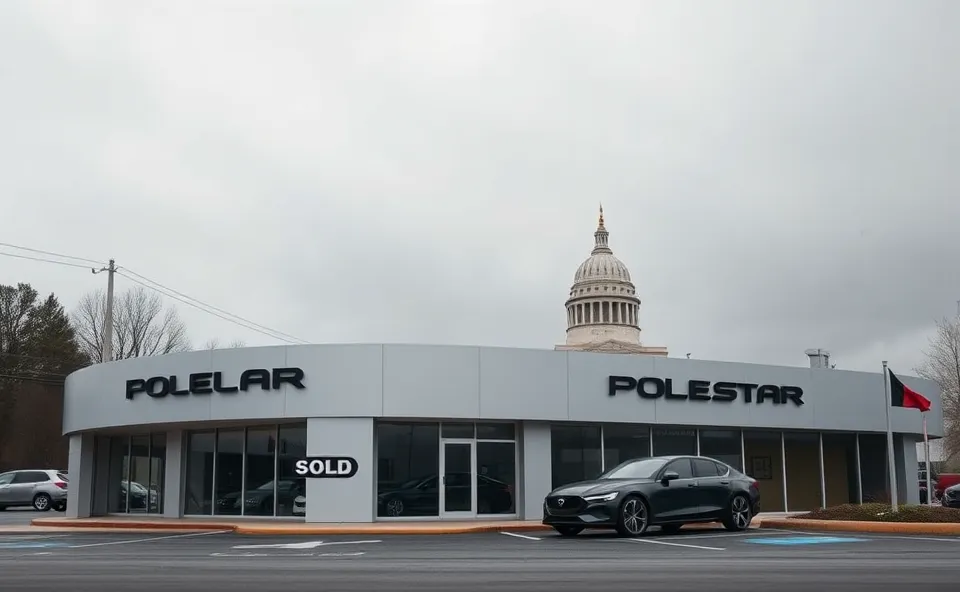
A sudden roadblock for Polestar in America
If you have been following the electric vehicle news lately, you might have heard some shocking updates. Polestar dealerships are facing an unexpected and massive hurdle. In a move that has caught many in the industry off guard, several locations are being forced to shut down. This is not just a simple case of low sales or bad business decisions. This is a much deeper issue involving the federal government and national security concerns.
The core of the problem lies in a federal government denial of authorization. This denial is directly linked to the ongoing Chinese tech ban. Because Polestar has significant ties to Chinese technology and manufacturing, the US government has stepped in to limit how the brand operates on American soil. For many business owners, this came as a total shock. One day they were planning for growth, and the next, they were facing a total halt in their ability to sell and service these vehicles.
This situation is unique because it is not about the quality of the cars. Polestar has built a reputation for sleek design and high performance. Instead, the issue is about the software and the hardware components inside the car. The government is concerned about where the data goes and who has access to the technology driving these vehicles. This has created a massive wall between the brand and the American consumer.
Why this news is suddenly everywhere
You might be wondering why your social media feed is suddenly full of talk about electric car dealerships and government bans. There are a few reasons why this story is gaining so much momentum. First, it highlights a massive shift in how we think about consumer tech. We used to think about cars as mechanical machines. Now, we realize they are essentially giant computers on wheels. When you buy a modern EV, you are buying a massive amount of software.
Second, people are becoming increasingly aware of how geopolitics affects their daily lives. Most people do not think about international trade deals when they go to buy a new car. However, this situation proves that a decision made in a government office can immediately change whether or not a dealership can stay open. This creates a lot of anxiety for anyone looking to make a major purchase.
Third, the auto industry is at a turning point. As we move away from gasoline and toward electricity, the rules of the game are changing. The tension between the US and China is playing out in real time on our streets. People are watching closely to see if this is just the beginning of a much larger trend that will affect every other brand in the electric car sales market.
Understanding the roots of the Chinese tech ban
To understand why Polestar dealerships are in this mess, we have to look at the bigger picture. For several years, the US government has been tightening its grip on technology coming from China. This is not just about smartphones or social media apps. It has expanded into the automotive sector. The concern is that vehicles equipped with certain types of Chinese tech could potentially collect sensitive data or be subject to remote interference.
The concept of the software defined vehicle is central here. Modern cars rely on constant connections to the cloud for maps, entertainment, and even driving assistance. If the software or the chips inside those systems are linked to companies that the US government deems a security risk, the entire vehicle becomes a liability in the eyes of federal regulators. This is what led to the federal government denial that has hit Polestar so hard.
This is not an isolated incident. We are seeing a broader move toward technological sovereignty. The US is trying to ensure that the infrastructure of its transportation system is secure. While this is a logical goal for national security, it creates a very difficult environment for global brands that rely on international supply chains. The intersection of automotive law and national security has become a minefield for anyone trying to sell high tech cars in the US.
The massive ripple effect on the automotive world
When dealerships close, the impact is felt far beyond just the brand in question. There is a huge wave of consequences hitting several different groups at once.
- For the Consumers: If you already own a Polestar, you might be feeling nervous. A dealership shutdown means fewer places to get repairs, software updates, or parts. This uncertainty can hurt the resale value of the cars and leave owners feeling stranded.
- For the Business Owners: The people who invested their life savings into dealership investment are facing a crisis. They bought properties, hired staff, and built showrooms based on a growth model that has suddenly been erased by a policy change.
- For the Auto Industry: This sends a chilling message to other manufacturers. It shows that even if you build a great product, your business can be undone by political shifts. It makes investors much more cautious about funding new electric car dealerships that rely on global tech.
- For the Tech Market: It forces a massive rethink of how software is developed. Companies will now have to consider if their code is too closely tied to certain regions if they want to maintain access to the US market.
The impact on electric car sales is also worth noting. When consumers see news about a US dealership ban or government interference, they might hesitate to switch from gas to electric. They want to know that if they spend fifty thousand dollars on a car, they will be able to service it for the next ten years. This political instability creates a layer of doubt that is hard to erase.
Looking ahead at the road for Polestar
So, what happens next? It is unlikely that things will simply go back to the way they were. The situation with the Polestar US market is complex, and the resolution will likely take a long time. We can expect to see a few different paths being taken.
One possibility is a massive restructuring of their technology. If Polestar can prove that they can use entirely different, non restricted technology for their US models, they might be able to win back authorization. This would be an incredibly expensive and difficult task, but it is the only way to truly solve the problem at its root.
Another path involves legal battles. We will likely see companies challenging these denials in court, arguing that the rules are being applied unfairly or that they lack clear definitions. This could lead to new precedents in automotive law that will shape the industry for decades.
Finally, we might see a shift in how these cars are sold. Instead of traditional dealership models, we might see more direct to consumer sales or partnerships with established local service networks that are already cleared by the government. The era of the globalized, one size fits all electric car might be coming to an end, replaced by a more fragmented and localized approach to technology and sales.
Frequently asked questions
Why are Polestar dealerships facing sudden closures?
The closures are primarily due to a federal government denial of authorization. This decision is linked to concerns regarding the Chinese tech ban and how it affects the technology used in these vehicles.
How does the Chinese tech ban impact electric car dealerships?
The ban creates significant regulatory hurdles. If a car brand is linked to restricted technology, dealerships may lose their ability to sell or service those vehicles, which directly threatens their business model and investment.
What is the current situation for the Polestar US market?
The market is currently in a state of high uncertainty. Because of the government restrictions, the brand is struggling to maintain its physical presence and its ability to provide long term support to American drivers.
Will this situation affect overall electric car sales?
Yes, it could. When major players face regulatory issues, it can create consumer fear. People may become more hesitant to invest in electric vehicles if they worry about the stability of the technology and the availability of service centers.
How does the US dealership ban influence the auto industry?
It forces the entire auto industry to rethink supply chains and software development. Manufacturers are now realizing that they must prioritize regional security and comply with strict automotive law to avoid similar shutdowns in the future.











