

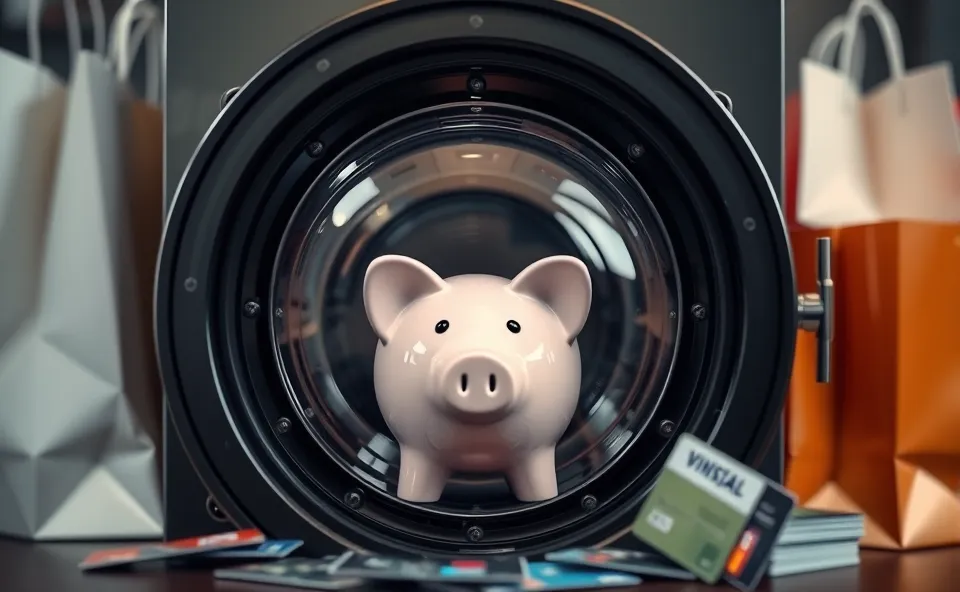
The Constant Struggle to Protect Your Savings
Imagine this scenario. You have spent months, perhaps even years, working hard and cutting back on small luxuries. Finally, you reach a milestone. You look at your bank balance and realize you have a solid emergency fund sitting there. It feels like a heavy weight has been lifted off your shoulders. You finally have a safety net. But then, something happens. A massive sale catches your eye. You see a gadget that promises to make your life easier. Or maybe you just feel a sudden urge to reward yourself for all that hard work. Before you know it, you have tapped your card, and that precious safety net has shrunk.
This cycle is incredibly common. Many people find themselves in a loop of building up emergency savings only to watch them disappear due to impulsive spending. It is a frustrating experience that can make you feel like you are standing still while everyone else moves forward. The challenge is not just about the money itself. It is about the battle between your long term goals and your immediate desires. Creating a fund is the first step, but the real work begins when you have to defend it against the temptations of daily life.
Why Keeping Money Safe Feels Harder Than Ever
You might wonder why it feels so much more difficult to maintain financial security today than it did for previous generations. The truth is that our modern world is practically designed to make us spend. We live in an era of instant gratification. Technology has removed almost every barrier between a person and their money.
Think about how we shop now. You no longer have to drive to a store, find an item, and wait in a line. Instead, you can buy almost anything with a single click or a quick tap on your phone. Digital wallets and one click checkout features have made the process of spending nearly invisible. When you do not physically see the cash leaving your hand, the psychological pain of spending decreases. This makes money management a much steeper hill to climb.
On top of that, social media plays a massive role. We are constantly bombarded with images of people living curated, perfect lives. We see friends traveling to exotic locations or showing off the latest tech. This creates a sense of social pressure often called FOMO, or the fear of missing out. This pressure can trigger a desire to spend money we haven’t truly set aside, often leading people to raid their rainy day fund just to keep up appearances. The digital age has essentially turned the world into a 24 hour shopping mall that follows you everywhere.
The Hidden Psychology of Every Purchase
To truly master financial discipline, it helps to understand what is actually happening inside your brain when you feel the urge to spend. Human beings are wired for survival, and historically, that meant seeking immediate rewards. Our brains release a chemical called dopamine when we anticipate something pleasurable, like a new purchase. This creates a high that feels great in the moment.
The problem is that your logical brain and your emotional brain are often at odds. Your logical brain understands the importance of an emergency fund and knows that a broken water heater is more important than a new pair of sneakers. However, your emotional brain is focused on the immediate dopamine hit. When you are stressed, tired, or even bored, your emotional brain often takes the driver’s seat.
This is why many people find that they spend the most when they are feeling overwhelmed. We often use shopping as a way to cope with stress or to seek comfort. This is a psychological trap. The temporary relief of a new purchase is quickly replaced by the guilt of having compromised your emergency savings. Understanding that these urges are biological reactions can help you step back and realize that the feeling will pass if you just wait a little while.
What Happens When the Safety Net Disappears
The impact of losing your emergency fund goes far beyond just a lower bank balance. It creates a domino effect that can touch every part of your life. When you do not have a cushion, every minor setback becomes a major crisis. A flat tire is no longer an inconvenience; it becomes a source of intense anxiety. A sudden medical bill or a temporary job loss can lead directly into a cycle of high interest debt.
This lack of financial security has a tangible effect on mental health. The constant worry about how to cover the next unexpected expense can lead to chronic stress and even sleep deprivation. It is hard to focus on your career, your relationships, or your personal growth when you are constantly playing defense with your finances.
From a broader perspective, failing to protect your savings also limits your future opportunities. Money that is spent on impulsive wants is money that cannot be used for meaningful investments, such as a home, education, or retirement. Every time the fund is raided, the clock resets, and the journey toward true freedom is pushed further into the future. Protecting your savings is not just about math; it is about protecting your peace of mind and your future autonomy.
Building a Life of Financial Resilience
The good news is that you can win this battle. Moving from a cycle of spending to a cycle of saving requires shifting your focus from willpower to systems. Willpower is a finite resource. If you rely solely on being strong in the moment, you will eventually fail. Instead, you should build guardrails that make it harder to spend impulsively.
One of the most effective personal finance tips is to automate your savings. If your emergency fund is moved to a separate account the moment your paycheck hits, you never even see it as available cash. This creates a psychological barrier. You are essentially telling yourself that this money does not exist for daily use.
Another strategy involves creating physical and digital distance between yourself and your money. This could mean using a different bank for your savings than you use for your checking account. If you have to go through a transfer process to access the funds, it gives your logical brain time to catch up with your emotional brain. You can also implement a cooling off period. A simple rule like waiting 48 hours before any non essential purchase can be incredibly powerful.
As you refine your budgeting habits, remember that the goal is not to restrict your life, but to direct your resources toward what actually matters. When you view your savings as a tool for freedom rather than a restriction on fun, your relationship with money begins to change. You stop seeing a sale as an opportunity and start seeing it as a threat to your security.
Common Questions About Your Emergency Fund
How much should I ideally keep in my emergency fund?
While there is no single answer, many people aim to save between three to six months of essential living expenses. This amount acts as a buffer against major life changes like job loss or significant medical costs. The exact number depends on your monthly budgeting needs and how stable your income is.
What is the best way to stop impulsive spending?
The best way to combat impulsive spending is to remove the ease of access. Unsubscribe from marketing emails, delete saved credit card information from shopping sites, and implement a mandatory waiting period before making any large purchase. Creating these small hurdles can help your logical brain regain control.
Where is the best place to keep a rainy day fund?
For a rainy day fund, you want a balance of accessibility and separation. A high yield savings account at a completely different bank from your everyday checking account is a popular choice. This keeps the money earning a bit of interest while making it just difficult enough to access that you won’t spend it on a whim.
How can I improve my money management skills?
Improving money management starts with awareness. Tracking every cent that goes in and out of your accounts for a month can be eye opening. Once you see where your money is going, you can identify patterns and make intentional changes to your spending habits.
Does having an emergency fund improve financial security?
Yes, having an emergency fund is one of the most fundamental pillars of financial security. It prevents you from falling into debt when life becomes unpredictable. It provides a psychological cushion that reduces stress and allows you to make decisions from a position of strength rather than desperation.











