

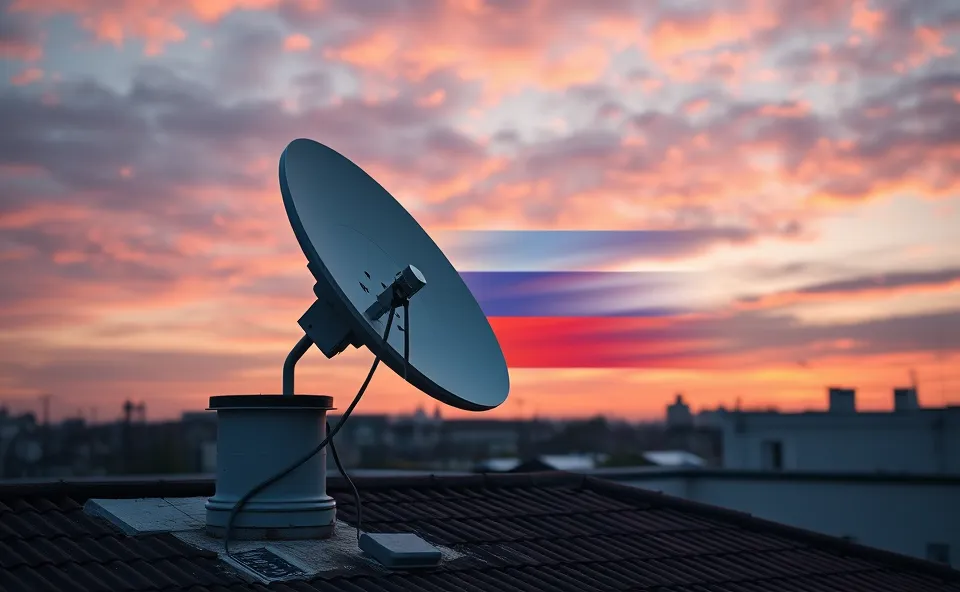
Russia’s Ambitious Leap into Satellite Internet
Imagine a world where even the most remote corners of Russia have reliable internet access. That’s the dream behind Rassvet, a new project aiming to blanket the entire country with satellite internet by 2030. It’s a bold move, putting Russia firmly in the global technology race, and it’s got a lot of people talking. Think of it as Russia’s own answer to projects like Starlink, but with a distinctly Russian flavor and scale.
Why the Buzz Around Rassvet Right Now?
The increased attention on Rassvet isn’t out of the blue. Russia has been steadily building its capabilities in space technology, and this satellite internet project represents a significant step forward. As the world becomes increasingly reliant on constant connectivity, countries are racing to ensure their citizens and infrastructure aren’t left behind. Russia’s push with Rassvet signals a clear intent to be a major player in global connectivity, making it a hot topic for anyone following space technology and telecommunications trends.
A Look Back at the Journey to Rassvet
Russia has a long and storied history with space exploration, dating back to the Sputnik era. This deep expertise in rocketry and satellite development provides a strong foundation for ambitious projects like Rassvet. For years, the country has been working on its own satellite communication systems, often driven by a desire for technological independence and national security. While previous efforts may not have aimed for the same kind of universal coverage Rassvet is targeting, they’ve laid the groundwork. This new satellite network is built upon decades of Russian space program advancements, aiming to bring the country up to speed with the latest in global internet coverage solutions.
What Rassvet Could Mean for Everyone
The implications of a nationwide satellite internet service like Rassvet are enormous. For millions of Russians living in remote or underserved areas, it could mean access to education, healthcare, and economic opportunities that were previously out of reach. Imagine students in Siberia connecting to online classes, or small businesses in the Far East tapping into global markets. It’s not just about social progress; it’s also about economic development. Businesses could operate more efficiently, and new digital services could flourish across the vast Russian landscape. This project is a significant development in the ongoing telecommunications evolution, aiming to bridge digital divides and foster a more connected nation. For the broader technology race, it signifies increased competition and innovation in satellite internet solutions.
Looking Ahead: The Road to 2030 and Beyond
The 2030 goal for Rassvet is incredibly ambitious. Building and deploying a massive satellite network capable of covering such a vast territory presents monumental challenges. These include the sheer engineering required to launch and maintain hundreds, if not thousands, of satellites, as well as the complex ground infrastructure needed to support the network. Russia will need to overcome technical hurdles, secure significant funding, and navigate international regulations. However, given the nation’s proven track record in space technology, it’s a challenge they seem determined to meet. Success would not only mean a connected Russia but also a stronger contender in the global satellite internet market, potentially influencing the future of global connectivity.
Your Questions Answered About Rassvet
What exactly is Rassvet?
Rassvet is Russia’s ambitious project to create a nationwide satellite internet network. The goal is to provide reliable internet access across the entire country, including its most remote regions, by the year 2030. It’s a significant undertaking in space technology, aiming to rival existing satellite internet services.
How will Rassvet compete with Starlink?
Rassvet aims to compete with Starlink by offering similar satellite internet coverage but tailored to Russia’s unique geographical challenges and national requirements. While specific technical details are still emerging, Russia’s goal is to achieve comprehensive internet coverage for its vast territory, potentially offering a competitive alternative within Russia and possibly in neighboring regions.
What are the main challenges for the Rassvet project?
The primary challenges for Rassvet include the immense scale of deploying and managing a large satellite network, ensuring consistent connectivity over vast and often difficult terrain, securing the necessary funding and technological resources, and navigating the complexities of international space regulations. It’s a massive technological race.
When can people expect to use Rassvet?
The target for Rassvet to achieve nationwide internet coverage is 2030. This means the full deployment and operational capacity of the satellite network are expected within the next several years. Until then, development and testing phases will continue as part of the Russian space program.
What is the overall impact of Russia’s Rassvet initiative?
The Rassvet initiative has a profound impact on Russian telecommunications and global connectivity. It aims to bridge the digital divide within Russia, bringing internet access to underserved populations and fostering economic growth. On a global scale, it represents a significant advancement in space technology and a strengthening of Russia’s position in the competitive satellite internet market.











