

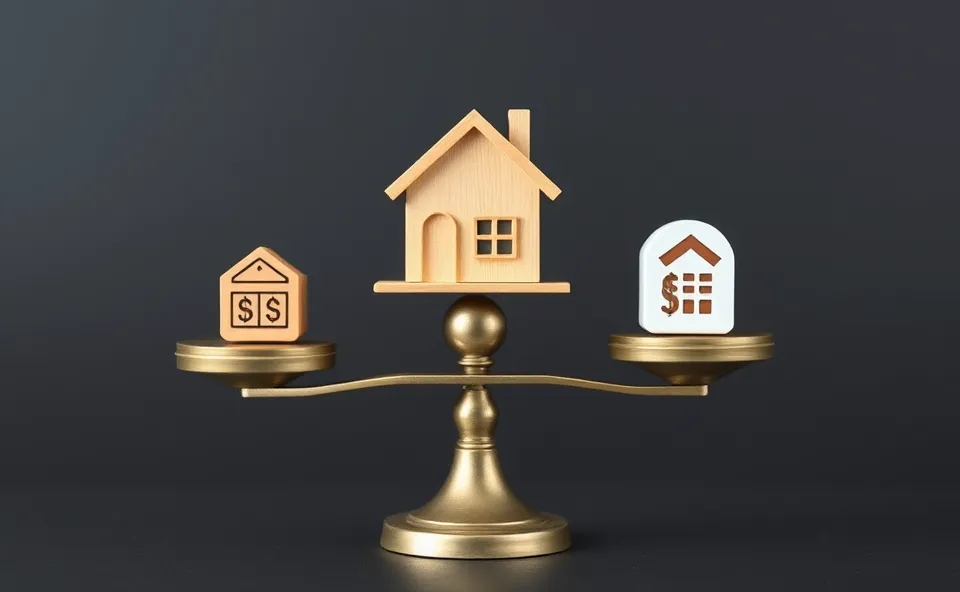
Navigating the Homebuying Maze: Rate Buydowns, Seller Contributions, and Price Cuts
So, you’re thinking about buying a home, and suddenly you’re swimming in terms like “rate buydown,” “seller concessions,” and “price reduction.” It can feel like a whole new language! Let’s break down these popular home buying strategies in a way that makes sense, so you can make the smartest decisions for your wallet. Essentially, these are all ways to make that dream home more affordable right now, either by tweaking your mortgage, getting help with those upfront costs, or simply paying less for the house itself.
Why Are We Talking About This Now?
The reason these mortgage options are buzzing right now is pretty straightforward: higher mortgage interest rates. When interest rates climb, your monthly mortgage payments can feel a lot bigger, and the total cost of buying a home over the life of the loan goes up significantly. This naturally makes buyers more sensitive to anything that can lower their immediate costs or their long-term interest burden. Sellers, in turn, are looking for creative ways to attract buyers when the market cools a bit. They want to sell their homes without drastically slashing the advertised price, and offering help with closing costs or a rate buydown can be a great compromise. It’s all about finding that sweet spot where buyers feel they’re getting a deal and sellers are still moving their property.
A Little History Lesson: How We Got Here
To really get why these strategies are popular today, it helps to remember what the housing market has been like. For years, we saw incredibly low mortgage interest rates. This made borrowing money for a house super cheap, and home prices shot up as a result. Many buyers got used to these low rates and the affordability they offered. Now, with interest rates having risen significantly, that same house can come with a much higher monthly payment. This shift has forced buyers and sellers to rethink their approaches.
Before this rate environment, a price reduction was often the go-to. But as home prices grew, sellers became more reluctant to discount their asking price too much. That’s where the other options started gaining traction. A rate buydown allows a buyer to secure a lower interest rate for the first few years of their mortgage, effectively lowering their monthly payments early on, while still potentially keeping the overall purchase price closer to the seller’s desired number. Similarly, seller concessions or closing costs contributions offer direct financial relief at the point of sale, covering some of those hefty upfront costs associated with buying a home, like appraisal fees, title insurance, and lender fees. It’s a way to sweeten the deal for buyers without directly impacting the seller’s net proceeds from the sale price as much as a straight price cut might.
What This Means for You and the Market
For homebuyers, these strategies open up crucial doors.
- Rate Buydown: This is a fantastic way to improve loan affordability, especially in the initial years of homeownership. By paying an upfront fee, either by the buyer or a seller concession, you can lower your mortgage interest rates for a set period (often one, two, or three years). This means lower monthly mortgage payments during those crucial early years, giving you more breathing room financially. It’s like getting a temporary discount on your biggest monthly expense. The impact on your effective interest rate is most pronounced in the short term.
- Seller-Paid Closing Costs: This is a direct hit against those often surprising upfront costs. Instead of paying thousands of dollars out of pocket for fees, a seller agrees to cover a portion or all of them. This can significantly reduce the immediate cash you need for a down payment and closing, freeing up funds for other expenses or investments. It makes the home buying process feel less daunting. These are often referred to as seller concessions.
- Price Reduction: This is the most straightforward approach. The seller lowers the actual purchase price of the home. This not only reduces your immediate out-of-pocket expenses but also lowers your loan amount, which in turn reduces your monthly mortgage payments and the total interest paid over the life of the loan. A lower purchase price means a lower mortgage, and a lower mortgage means less debt in the long run.
From a business and market perspective, these tactics help keep transactions moving. For sellers, offering a rate buydown or closing cost assistance can make their home more attractive without the perceived “loss” of a major price cut. It allows them to negotiate more flexibly. For real estate agents, understanding and advising on these options is key to success in a fluctuating market. It demonstrates their value and ability to find solutions for their clients. Ultimately, these strategies aim to bridge the gap between buyer affordability and seller expectations, fostering a more balanced and active real estate market.
What Might Happen Next?
Looking ahead, it’s likely that we’ll continue to see a mix of these strategies playing out in the real estate market, adapting to the prevailing mortgage interest rates and economic conditions. If interest rates remain elevated, rate buydowns and seller concessions will probably stay popular as ways to make homes more accessible without forcing sellers into steep price cuts.
However, if rates begin to decline more substantially, we might see a shift back towards more straightforward price reductions becoming the primary negotiation tool. Buyers might feel more confident in their long-term affordability with a lower purchase price, and sellers may be more willing to lower their asking price if they anticipate higher demand.
We could also see more innovative mortgage options emerge that blend elements of these current strategies. Perhaps lenders will offer new programs that help buyers manage initial payment shock or provide more flexible closing cost assistance. The core goal will remain the same: making homeownership attainable. As technology evolves in the real estate and finance sectors, expect more streamlined processes for implementing these kinds of financial incentives, making them easier for both buyers and sellers to understand and utilize.
Frequently Asked Questions
What is the main difference between a rate buydown and a seller concession?
A rate buydown directly lowers your mortgage interest rate for a period, reducing your monthly mortgage payments. Seller concessions, on the other hand, are funds provided by the seller to cover your closing costs, which reduces your upfront expenses when buying a home. A seller can offer a concession that is then used to fund a rate buydown.
When should I consider a price reduction versus a rate buydown?
If your primary concern is reducing your total loan amount and the overall interest paid over the entire loan term, a price reduction is usually best. If you are more focused on lowering your monthly mortgage payments for the first few years to improve immediate loan affordability or to qualify for a larger loan, a rate buydown might be more appealing.
Can a seller pay for my closing costs and also offer a price reduction?
Yes, sellers can combine these strategies. They might offer to pay a portion of your closing costs as seller concessions and also agree to a lower purchase price. This depends heavily on the negotiation and the seller’s motivation to sell.
How does a rate buydown affect my down payment?
A rate buydown typically doesn’t directly change your required down payment, unless the seller provides a concession that is then applied to fund the buydown, which might indirectly affect the cash you need upfront. The down payment is usually based on a percentage of the purchase price.
Are there any risks associated with using a rate buydown as a home buying strategy?
The main consideration with a rate buydown is that the lower rate is temporary. After the buydown period ends, your mortgage payments will increase to the full interest rate of your loan. It’s crucial to understand your long-term financial obligations and ensure you can afford the payments at the standard rate.











