

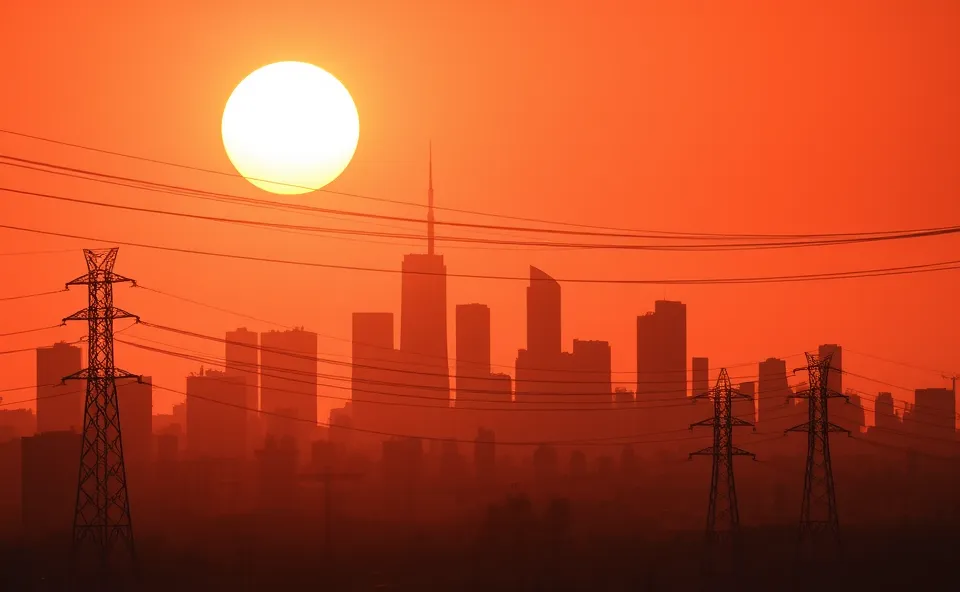
When the Thermostat Breaks the Grid
So, picture this: the United States is in the thick of a sweltering heatwave, the kind that makes even your air conditioner sweat. This isn’t just uncomfortable; it’s putting an incredible strain on our power grids. Specifically, PJM, which happens to be the largest power grid operator in America, is facing a serious challenge. They’ve had to declare emergencies and are talking about cutting power. And guess who might be first in line for those cuts? Data centers. It sounds wild, but this is the reality of extreme heat and soaring electricity demand.
Why Everyone’s Talking About This Now
This situation is front-page news and has everyone talking because it’s a stark reminder of how fragile our energy infrastructure can be when pushed to its limits. We’re seeing record demand for electricity, not just from homes trying to stay cool, but from businesses, and crucially, from the ever-growing world of data centers that power so much of our digital lives. When the grid operator like PJM has to consider drastic measures like power curtailments, it signals a potential energy crisis that affects us all. People are searching for this because they want to understand what’s happening, why it’s happening, and what it means for their everyday lives and the technology they rely on.
A Little Background on Our Power Players
To really get this, you need to know a bit about PJM. They manage the flow of electricity for about 65 million people across 13 states and the District of Columbia. Think of them as the air traffic controllers for electricity. They have to balance the supply of power with the demand, moment by moment. Normally, they have plenty of capacity. But when you have widespread, prolonged extreme heat like we’re experiencing, everyone turns on their AC. This pushes electricity demand to extreme highs, often exceeding normal peak levels. This isn’t a new problem entirely; grids have always dealt with seasonal demand spikes. However, with climate change potentially making these heat events more intense and frequent, older infrastructure and current capacity are being tested like never before. Data centers, in particular, have become massive consumers of electricity, and their needs are only growing.
The Ripple Effects of a Strained Grid
What does this mean for us? Well, for regular folks, it means the potential for rolling blackouts. You might find your power suddenly cut off to help ease the burden on the grid. This is disruptive, especially during a heatwave when staying cool is a necessity. For businesses, especially those reliant on continuous power, it’s a significant concern. But the immediate spotlight is on data centers. These facilities, which house the servers for everything from streaming services and cloud computing to AI applications, consume enormous amounts of electricity. They also require a very stable and consistent power supply. When PJM announces emergency measures and considers curtailments, data centers are often among the first to be asked to reduce their power use, or in some cases, temporarily shut down non-essential operations. This can lead to disruptions in online services, temporary outages for cloud-based applications, and even delays in processing data for businesses that rely heavily on these centers. It highlights a growing tension between our increasing digital needs and the physical limitations of our power grid. It’s a complex interplay between climate, infrastructure, and the digital economy.
Looking Ahead: What’s Next for the Grid?
This situation prompts a lot of thinking about the future. We can expect to see a more urgent push for grid modernization. This includes investing in smarter technologies that can better manage electricity flow and respond to sudden demand spikes. There will likely be increased attention on renewable energy sources, like solar and wind, and how they can be integrated more effectively, especially during peak demand hours. Energy storage solutions, like large-scale batteries, will also become even more critical to help buffer supply and demand. For data centers, this could mean a renewed focus on energy efficiency and exploring locations with more robust and reliable power infrastructure. It might also spur innovation in how they manage their own power consumption, perhaps by scheduling more intensive tasks during off-peak hours or investing in their own backup generation capabilities. Ultimately, these extreme events are forcing a conversation about building a more resilient and sustainable power grid that can meet the demands of a hotter planet and an ever-more-connected world.
Common Questions About Electricity Demand and Grid Emergencies
What is PJM and why is it important for the power grid?
PJM is a regional transmission organization that manages the power grid for a large part of the eastern United States. It’s crucial because it ensures electricity is delivered reliably and efficiently to millions of people and businesses by balancing electricity demand with supply.
How does extreme heat increase electricity demand?
During extreme heat, people use more electricity for cooling, primarily through air conditioners. This widespread increase in power use causes a significant jump in overall electricity demand, putting a heavy load on the power grid.
What are emergency measures for a power grid?
Emergency measures are actions taken by grid operators like PJM when electricity demand is dangerously close to or exceeds available supply. These can include asking large consumers to reduce power use, or in severe cases, implementing controlled power outages to prevent a widespread grid collapse.
Why are data centers at risk during a power grid emergency?
Data centers consume a massive amount of electricity and require a constant, stable power supply. During times of extreme electricity demand and potential grid shortages, they are often asked to curtail their power use or face potential shutoffs to help maintain the stability of the overall power grid.
What is the long-term outlook for meeting high electricity demand during heatwaves?
The long-term outlook involves upgrading power grid infrastructure, increasing investment in renewable energy sources, developing better energy storage solutions, and improving overall energy efficiency to better manage peak electricity demand and ensure a reliable energy supply even during challenging weather conditions.











