

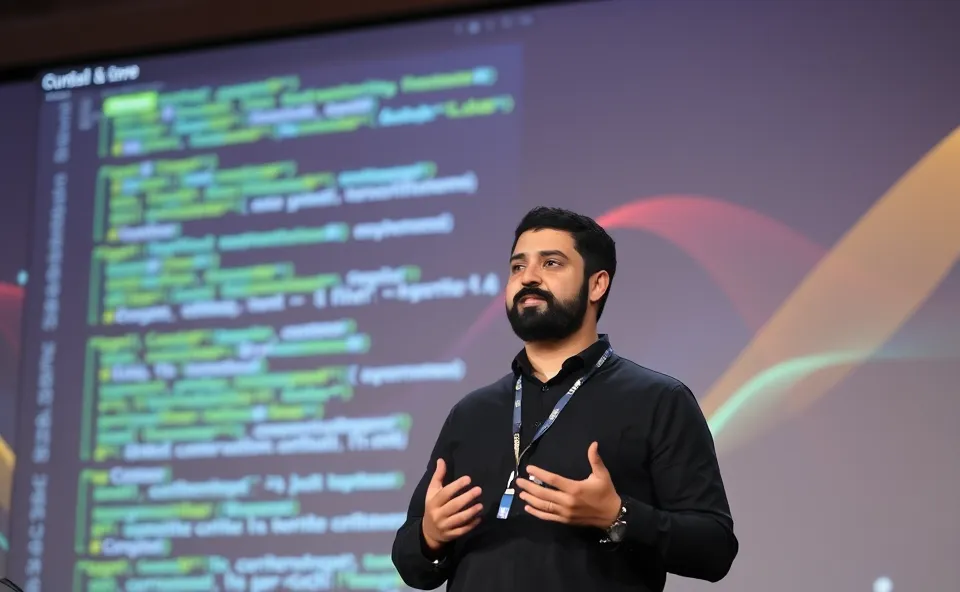
The noise around a possible Replit sale
In the fast moving world of AI, rumors travel faster than the code itself. Recently, there has been a lot of chatter about a possible Cursor acquisition of Replit. For those who follow the tech scene, this sounded like a massive shift. Cursor is an AI powered code editor that has gained a cult following, while Replit is a full cloud development platform. On paper, a merger would create a powerhouse in the AI coding space. However, the man at the helm, Amjad Masad, has a very different perspective.
Instead of entertaining the idea of a buyout, Masad has been clear about his stance. He is not interested in selling. While many founders in the tech startup world view a big acquisition as the ultimate victory, Masad sees it differently. For him, selling the company would mean giving up control over a vision that is still in its early stages. He believes that what he is building is too important to be absorbed into another company’s roadmap.
This is not just about money or ego. It is about the core mission of the platform. Masad wants to change how the world creates software. He believes that the current way we build apps is outdated and that an AI native approach is the only way forward. By staying independent, he ensures that Replit can move fast and take risks that a larger, more corporate entity might avoid.
Why everyone is talking about the AI coding race
You might wonder why a few rumors about one company are causing such a stir. The reason is simple: the way we write software is changing right now. For decades, coding was a specialized skill that required a lot of training and a specific set of tools installed on a computer. Today, AI tools are turning that model upside down.
People are searching for updates on Amjad Masad and his strategy because they want to know who will win this race. We are seeing a battle between different philosophies of software development. On one side, you have tools like Cursor, which take existing editors and supercharge them with AI. On the other side, you have Replit, which wants to provide the entire environment, from the first line of code to the final hosted app, all in the cloud.
This competition is exciting because it lowers the barrier to entry. When you see a founder interview where a CEO talks about making coding accessible to everyone, it sparks hope for millions of people who have an idea for an app but do not know how to code. The hype is not just about the companies, but about the democratization of creation.
How Replit became more than just a code editor
To understand why Masad is so reluctant to sell, we have to look at the journey of the company. Replit started as a way to make it easier for people to write code in a browser. It removed the headache of setting up a local development environment, which is often the most frustrating part for beginners. But as the AI boom hit, the company evolved.
They stopped thinking of themselves as just a place to write code and started thinking of themselves as an AI collaborator. They integrated AI in a way that does not just suggest the next word, but actually understands the project as a whole. This shift in tech strategy moved them from being a utility tool to being a platform.
Masad often draws inspiration from high velocity organizations. He admires the way a SpaceX deal or a similar high stakes project is handled, where speed and iteration are more important than traditional corporate caution. He has applied this same energy to his company. By treating software development as a fast paced experiment, he has built a community of developers who feel like they are part of a movement, not just users of a product.
Taking on the giants and the fight for open software
One of the most interesting parts of this story is the friction between Amjad Masad and the established tech giants, particularly Apple. Masad has been vocal about his disagreement with how Apple handles its ecosystem. He views the Apple competition not as a battle for market share, but as a battle for the soul of software development.
Apple is known for its closed garden. They control the hardware, the software, and the distribution. While this creates a smooth user experience, Masad argues that it limits the developer. He believes that the future of software should be open and fluid. If AI can generate code and deploy it instantly, the old walls built by big tech companies start to look like obstacles rather than features.
This stance has a significant impact on the industry. When a prominent tech startup leader challenges the status quo, it encourages other developers to look for alternatives. It shifts the conversation from how to fit into a big company’s ecosystem to how to build a new ecosystem entirely. This is why the refusal to sell is so symbolic. It is a statement that independence is more valuable than a massive payout if that independence allows you to fight for a more open internet.
Where Replit is heading in an AI world
Looking ahead, the path for Replit seems clear, even if the road is bumpy. The goal is to move toward a world where the distance between an idea and a working product is almost zero. Masad is betting on a future where AI handles the repetitive, boring parts of coding, leaving the human to act as a director or architect.
We can expect to see a few things happen next:
- Deeper AI Integration: The tools will likely move beyond simple chat windows and become proactive partners that can fix bugs before the user even notices them.
- Expanded Accessibility: A push to get more non technical people building software, effectively turning every person with an idea into a developer.
- Continued Independence: As long as Masad is in charge, the company will likely resist acquisition bids to maintain its agile culture.
- New Deployment Models: A move toward making the act of hosting and scaling an app as simple as clicking a single button.
The long term play here is to create a world where software is not a product you buy, but something you generate on the fly to solve a specific problem. If Replit can achieve this, it will not just be a successful company. It will be the foundation for the next era of the digital economy.
Common questions about Replit and its future
Will Replit be acquired by Cursor?
Currently, there is no evidence that a Cursor acquisition is happening. Amjad Masad has expressed a strong desire to keep the company independent and continue growing his specific vision for AI native development.
Why does Amjad Masad disagree with Apple?
The conflict stems from Apple competition regarding closed ecosystems. Masad believes that closed platforms limit innovation and that software development should be more open and accessible to everyone regardless of the hardware they use.
What makes the Replit tech strategy different from others?
Unlike many AI tools that simply add a plugin to an existing editor, Replit is building a complete cloud based environment. This allows them to integrate AI into every step of the process, from writing and testing to deployment.
Is selling a company the main goal for most tech startups?
For many, yes, but not for everyone. While a buyout is a common exit strategy, founders like Amjad Masad often prioritize the long term impact and the ability to execute a vision without corporate interference.
How do AI tools change software development for beginners?
They lower the barrier to entry by handling the complex syntax and setup. This allows beginners to focus on logic and problem solving, making the process of learning to code much faster and more intuitive.











