

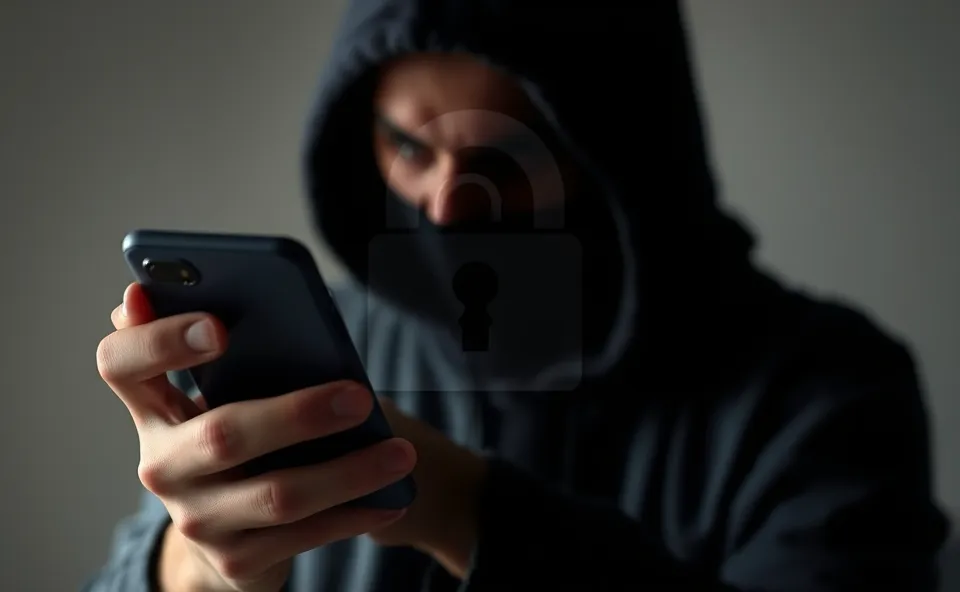
Beware of the Clever ‘Reservation Hijacking’ Travel Scam
Hey everyone, let’s chat about something that’s been popping up more and more and could really put a damper on your dream vacation. It’s a sneaky trick called ‘reservation hijacking,’ and it’s specifically targeting travelers like us. Imagine you’ve booked that perfect hotel room, paid for it, and are looking forward to relaxing. Then, out of the blue, someone pretending to be from the hotel contacts you, asking for a little more money or to “confirm” your details, and poof – your hard-earned cash is gone.
This isn’t about a simple mistake or a small glitch. This is a full on scam where criminals essentially steal your booking and try to trick you into paying them directly. It’s a growing problem in the world of hotel scams and vacation scams, and understanding how it works is the first step to staying safe.
Why Is Everyone Talking About This Now?
You might be hearing about reservation hijacking more these days because it’s becoming increasingly sophisticated and, sadly, more common. As we all become more comfortable booking travel online, scammers are finding new ways to exploit these digital avenues. They’re getting better at impersonating legitimate businesses, making their fake communications look incredibly real. This increase in successful attempts means more people are falling victim, and consequently, more awareness is being raised about these dangerous travel scams.
The ease with which personal information can be accessed or leaked also plays a big role. When your booking details are out there, even if it’s through a legitimate site, scammers can intercept or acquire that information to target you. It’s a classic case of technology evolving, and unfortunately, so are the methods of those looking to commit payment fraud.
A Little Background on How These Tricks Evolved
To understand reservation hijacking, it helps to look at how scams have changed over time. In the past, you might have worried about fake websites that looked like real travel agencies. Then came the age of email phishing scams, where dodgy emails would try to trick you into giving up your login details or credit card information. These new hotel scams are a smarter evolution of those older tricks.
Instead of trying to create a completely fake booking, these scammers hijack an existing, legitimate reservation. They might get this information through data breaches, or by tricking hotel staff into revealing booking details. Once they have your name, dates, and hotel, they can then contact you. It feels more personal, and therefore, more believable. They’re not just a random scammer; they’re pretending to be the very hotel you’re excited to stay at, which is why these booking scams are so effective.
What This Means for Your Upcoming Trips
The impact of reservation hijacking is significant, and it can range from a minor annoyance to a major financial headache. For travelers, it means the stress of realizing you’ve been duped and the potential loss of money you might not easily recover. This isn’t just about losing a few dollars; for many, vacation funds are carefully saved, and having them stolen can be devastating. It erodes trust in online booking platforms and even in the hotels themselves.
From a business perspective, hotels and booking sites suffer reputational damage. Customers who are victims of these travel scams are likely to share their negative experiences, deterring future bookings. This also creates an added burden on customer service teams who have to deal with fraudulent claims and unhappy guests. On the technology side, it highlights the ongoing need for robust cybersecurity measures to protect booking systems and customer data from being compromised. It’s a constant arms race between those developing security and those trying to break it.
What Could Happen Next in This Battle Against Scammers
Looking ahead, we can expect to see a few things develop in response to reservation hijacking and other similar travel scams. Firstly, travel companies and hotels will likely invest even more in advanced cybersecurity. This means stronger encryption, better fraud detection systems, and more rigorous staff training to spot suspicious activity. We might also see the development of more sophisticated verification methods for communications, making it harder for scammers to impersonate hotel staff.
On the consumer side, there will be a greater emphasis on traveler education. Expect more advice and alerts from booking platforms and travel authorities about how to spot and avoid these types of scams. We might also see stricter regulations around how booking information is handled and shared, though that can be a slow process. The goal will be to create a more secure ecosystem for booking travel, minimizing the opportunities for these kinds of payment fraud and booking scams.
Frequently Asked Questions About Reservation Hijacking
How does reservation hijacking work with hotel scams?
Reservation hijacking is a type of hotel scam where criminals get hold of your booking details, like your name and hotel reservation. They then contact you, pretending to be hotel staff. They might claim there’s an issue with your payment or that you need to reconfirm your booking details. They’ll ask you to click a link or provide sensitive information, leading to payment fraud where they take your money instead of the legitimate hotel.
What are some common signs of travel scams like reservation hijacking?
Be wary of unsolicited communication about your booking, especially if it asks for urgent action or additional payment outside of the original booking platform. If the communication contains poor grammar or spelling, or if the email address or phone number looks slightly off, it’s a red flag. Legitimate hotels usually have clear communication channels and won’t ask for sensitive details in a suspicious way. These are common traits of many booking scams.
How can I protect myself from reservation hijacking and other vacation scams?
Always book directly through the official website of the hotel or a reputable, well-known travel agency. If you receive any communication about your booking that seems unusual, do not click on links or provide information. Instead, contact the hotel directly using a phone number found on their official website, not one provided in the suspicious message. This vigilance is key to traveler protection.
What should I do if I suspect I’m a victim of a reservation hijacking scam?
If you believe you’ve been a victim of reservation hijacking or any other travel scams, contact your bank or credit card company immediately to report the payment fraud and see if you can reverse the charges. Also, report the incident to the booking platform you used and to relevant consumer protection agencies. Document everything you can about the communication you received.
Why is cybersecurity important for preventing travel scams like booking scams?
Strong cybersecurity is crucial because it helps protect the booking systems of hotels and travel agencies from being breached by criminals. When these systems are secure, it’s much harder for scammers to get access to your personal information and reservation details in the first place. This directly helps prevent reservation hijacking and reduces the overall risk of encountering various booking scams.











