

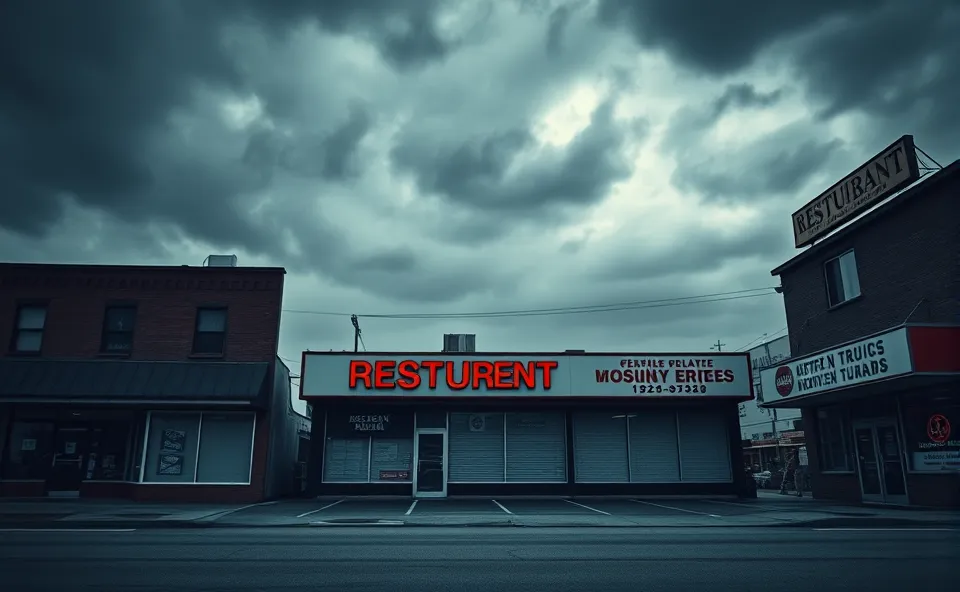
A shifting tide in the American workforce
If you have been keeping a close eye on the latest employment data, you might have noticed a strange tug of war happening under the surface of the economy. Lately, the headlines have been filled with news about job cuts hitting two very familiar corners of our daily lives: retail and restaurants. For years, these sectors were the reliable engines of the US job market, always hiring and always busy. But something has shifted.
According to the most recent BLS report, we are seeing a clear cooling off in these areas. It is not necessarily a sudden collapse, but rather a strategic pullback. Companies that were aggressively hiring just a year ago are now hitting the brakes. Whether it is a major department store chain thinning out its workforce or a restaurant group slowing down its expansion, the message is the same. The retail jobs and restaurant jobs we once took for granted as endless are becoming a bit harder to come by.
Why everyone is talking about these layoffs
You might be wondering why this shift is grabbing so much attention right now. It boils down to the fact that retail and dining are the pulse of consumer spending. When you hear about widespread layoffs or a hiring freeze in these industries, it feels personal because these are the places where most of us spend our time and money. People are searching for answers because they feel the friction in their own communities.
Beyond the personal impact, there is a broader economic curiosity. We are constantly told that the US job market is resilient, yet the data shows these specific pockets of weakness. Investors, small business owners, and regular employees are all trying to figure out if these job cuts are an early warning sign of a deeper economic downturn or just a normal adjustment after the chaotic hiring spree we saw in the years following the pandemic. Everyone wants to know if the ground beneath the economy is still solid.
Looking back at how we got here
To understand where we are, we have to look at the recent past. After the global health crisis, the economy experienced a massive surge. Everyone wanted to shop, eat out, and experience life again. Retailers and restaurants scrambled to hire anyone they could find, leading to record-high employment numbers in those fields. It was an era of staffing desperation where wages rose and signs for help were in every window.
However, that environment was not meant to last forever. As inflation pushed prices higher, consumer spending patterns began to change. People started prioritizing their budgets. Meanwhile, businesses that over-expanded during the good times are now looking at their bottom lines and realizing they have more staff than they actually need to manage current demand. The current wave of layoffs is essentially a correction. It is the economy trying to find a new equilibrium after a period of extreme, unsustainable growth.
What this means for the broader landscape
The impact of this trend is quite fascinating because it is not hitting every industry equally. While retail and restaurant jobs are shrinking, the travel and leisure sector is doing the exact opposite. People seem to be shifting their money away from buying physical goods or dining out locally and putting it toward experiences like vacations, cruises, and concerts. This is why you see airlines and hotels still scrambling for talent while local shops are cutting shifts.
For the average person, this means the job market is becoming a game of specialization. If you are looking for work, the skills that were in demand yesterday might not be the ones companies are looking for tomorrow. For businesses, this environment is a reality check. Companies that rely purely on brick and mortar traffic are having to rethink their strategies, often leaning more on technology to manage leaner teams. The era of easy growth is over, and we are entering a phase where efficiency is the new king.
Looking toward the road ahead
So, where do we go from here? It is unlikely that we are headed toward a total collapse, but we should prepare for a slower pace of hiring in the service sector. The trend toward automation will likely accelerate. If businesses cannot justify the cost of full staffing due to lower consumer spending, they will look to self-service kiosks and digital systems to keep things running.
The travel and leisure sector will probably continue to hold the spotlight for a while, but even that will eventually reach a saturation point. As we move forward, the most important thing to watch will be how consumer confidence holds up. If people continue to feel secure in their finances, they will keep spending, which could stop these job cuts from spreading to other industries. If spending tightens, however, we might see more companies adopting a permanent hiring freeze to protect their margins. It is a time for caution, but also a time for adapting to a changing market.
Common questions about the changing job market
What is driving the recent wave of job cuts in the service industry?
The primary driver is a combination of inflation and shifting consumer habits. After a period of aggressive hiring, many businesses are finding that their current labor costs are too high compared to the actual consumer spending they are seeing, leading them to reduce headcount to stay profitable.
Are retail jobs and restaurant jobs disappearing entirely?
No, they are not disappearing. The industry is simply undergoing a correction. While there are certainly layoffs, many businesses are still looking for high-quality staff, even if the total volume of open positions has dropped significantly compared to the post-pandemic hiring surge.
Why is the travel and leisure sector growing while others face a downturn?
There has been a notable shift in consumer behavior. Many people are prioritizing life experiences and travel over buying physical goods. This demand keeps the travel and leisure sector buoyant, meaning they continue to hire even while retail and local dining businesses face an economic downturn.
How can I stay protected if my industry faces a hiring freeze?
The best strategy is to stay adaptable. Look for ways to build skills that are transferable across different sectors. Being aware of the latest employment data and trends in your specific field can also help you anticipate changes before they happen, allowing you to pivot if necessary.
What does the current BLS report signal for the overall US job market?
The latest report suggests a complex, two-speed economy. While certain sectors like service and retail are cooling off, other areas remain stable. It indicates that the US job market is normalizing rather than failing, but it does highlight the importance of watching how sectors outside of travel and leisure perform in the coming months.











