

Let’s Talk About the Debt You Carry
Ever felt a bit lost when people start talking about different kinds of debt? You’re not alone. Understanding the money you owe is super important for keeping your finances in good shape. Today, we’re going to break down two major players in the debt world: revolving debt and installment debt. Think of it like understanding the difference between a flexible credit card and a steady car loan. Knowing this can really help you manage your money smarter.
Why Are We Chatting About This Now?
You might be seeing more talk about revolving debt and installment debt because, well, life happens! People are always looking for ways to finance big purchases or manage unexpected expenses. Whether it’s buying a home, a car, or just navigating everyday spending, the way you borrow money matters. Plus, with the economy always shifting, folks are keen to understand how different types of debt can affect their financial health, especially when it comes to things like credit scores and overall debt management.
A Little Background on Borrowing
At its heart, all debt is a way of borrowing money that you promise to pay back, usually with a bit extra called interest. But how you pay it back and how the borrowing limit works can be wildly different. This is where our two main characters come in.
Revolving Debt: The Flexible Friend
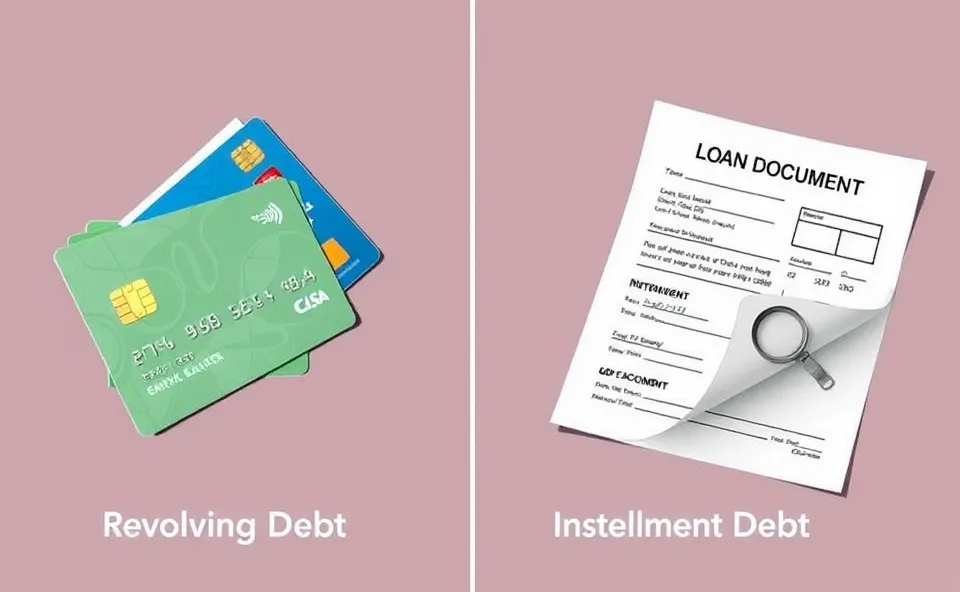
Imagine a credit line that you can use again and again as long as you stay within your approved limit. That’s revolving debt in a nutshell. You borrow money, pay some back, and then you can borrow it again, up to your limit. The amount you owe can change from month to month depending on how much you spend and how much you pay off.
The most common example of revolving debt is your credit card debt. You have a credit limit, and you can use your card to buy things. Each month, you get a statement showing what you owe. You have to make at least a minimum payment, but you can pay off the whole balance or just a portion. If you don’t pay it all off, the remaining balance carries over, and you’ll be charged interest on it. Other examples include lines of credit, like a home equity line of credit (HELOC), which works similarly to a credit card but is usually secured by your home.
Installment Debt: The Predictable Path
Now, think about borrowing a fixed amount of money once, and then paying it back over a set period with regular, fixed payments. That’s installment debt. You get all the money upfront, and then you chip away at it with scheduled payments until it’s all gone. Each payment typically includes a portion of the original loan amount and some interest.
The classic examples here are personal loans, mortgage loans, and car loans. When you get a personal loan for, say, $10,000, you receive that $10,000, and then you agree to pay it back over, let’s say, 36 months with a specific monthly payment. Similarly, your mortgage loans for a house involve borrowing a large sum and paying it back over many years with regular payments. Car loans work the same way for buying a vehicle.
What Does This Mean for You?
Understanding the difference between revolving debt and installment debt is crucial for effective debt management and making smart financial decisions. Here’s why:
- Interest Rates: Generally, revolving debt, especially credit card debt, often comes with higher interest rates compared to installment loans like mortgages. This means if you carry a balance on a credit card, it can become quite expensive over time. Installment loans often have lower, fixed interest rates.
- Payment Flexibility: Revolving debt offers more flexibility. You can pay more than the minimum due to tackle the balance faster, or pay just the minimum and carry over the rest (though this incurs more interest). Installment debt payments are usually fixed and predictable, making budgeting easier, but you don’t typically have the option to pay it off faster without potential penalties or by making extra payments that apply directly to the principal.
- Credit Score Impact: Both types of debt affect your credit score, but in different ways. High balances on revolving credit can significantly lower your credit utilization ratio, which is a major factor in your score. Making consistent, on-time payments for both revolving and installment debt is key to building a good credit score.
- Borrowing Power: Lenders look at the mix of debt you have. Having too much revolving debt, especially with high balances, might make it harder to get approved for new loans. On the other hand, managing installment loans responsibly shows you can handle long-term financial commitments.
Looking Ahead: Your Debt Journey
As you navigate your financial life, you’ll likely encounter both revolving debt and installment debt. The key is to use them wisely. Revolving credit can be a useful tool for short-term needs or earning rewards, as long as you aim to pay it off quickly to avoid high interest. Installment loans are great for spreading the cost of major purchases over time, providing predictable payments.
Being mindful of your total debt load, understanding the interest rates associated with each type, and always prioritizing timely payments will set you on a path to better financial health. The goal is to have debt work for you, not the other way around. Making informed choices about revolving vs installment debt is a big step in that direction.
Got Questions About Revolving vs Installment Debt?
What is a common example of revolving debt that most people use?
The most common example of revolving debt is a credit card debt. You have a credit limit, and you can borrow and repay funds repeatedly up to that limit.
How does revolving debt differ from installment debt in terms of payment?
Revolving debt payments can vary based on your spending and how much you pay, with only a minimum payment required. Installment debt typically has fixed, predictable payments over a set loan term.
Are mortgage loans considered revolving or installment debt?
Mortgage loans are a classic example of installment debt. You borrow a large sum at once and repay it with fixed payments over many years.
Can managing revolving debt help my credit score?
Yes, managing revolving debt responsibly, such as keeping balances low relative to your credit limit, can positively impact your credit score by improving your credit utilization ratio.
What are the key considerations for debt management when dealing with both types of debt?
When considering debt management, it’s important to pay attention to the interest rates of both revolving and installment debt, the total amount owed, and how each impacts your monthly budget and overall credit score.











