

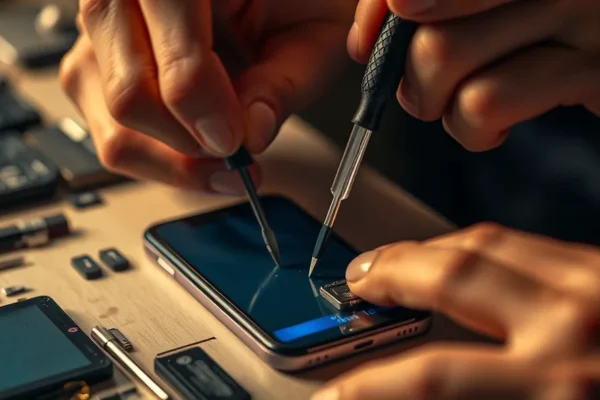
The Right to Repair Movement: Taking Back Our Gadgets
The Push for Device Ownership
Ever felt frustrated when your favorite gadget breaks, and the manufacturer tells you it’s cheaper to buy a new one than to fix the old one? Or maybe you’ve been told you can only get it repaired at an “authorized” service center, which ends up costing a small fortune? You’re not alone. This feeling is at the heart of the growing Right to Repair movement, a grassroots effort pushing for consumers to have genuine device ownership. Think of it like owning a car; you can take it to any mechanic you trust, not just the dealership. This movement, championed by folks like Louis Rossmann, a vocal advocate for independent repair, is about giving us the power to fix our own stuff, extend its life, and save money.
What’s Actually Happening and Why It Matters
At its core, the Right to Repair is about access. It’s the idea that when you buy a piece of consumer electronics – your smartphone, laptop, tablet, or even your smart TV – you should have the right to fix it yourself, or take it to an independent repair shop of your choice. This means manufacturers should make available the necessary parts, tools, diagnostic software, and repair manuals. Why should you care? Because right now, many manufacturers make it incredibly difficult, sometimes impossible, to repair their products. They might use proprietary screws, glue components together with no way to easily take them apart, or refuse to sell replacement parts to anyone but their certified technicians. This often leads to what many suspect is planned obsolescence, where devices are designed to break or become obsolete after a certain period, pushing you to buy new tech hardware. The Right to Repair movement is a direct challenge to these manufacturer restrictions, aiming to bring back gadget freedom and digital rights for consumers.
Who Needs This Freedom Most
This movement is resonating with a broad spectrum of people, but it’s particularly important for a few key groups:
- The Savvy DIYer: If you enjoy tinkering, learning how things work, or simply want to save money by fixing your own gadgets, the Right to Repair is your battle cry. You’re tired of being told you can’t open up your own device.
- The Budget-Conscious Consumer: For many, a broken phone or laptop can be a significant financial blow. Being able to repair instead of replace means keeping valuable devices in use longer, saving substantial amounts of money.
- Environmental Advocates: Every electronic device we throw away contributes to e-waste, a growing environmental problem. Extending the life of our gadgets through repair is a direct way to reduce this waste.
- Supporters of Small Businesses: The Right to Repair directly supports independent repair shops, helping them compete with the manufacturers’ expensive authorized service centers.
In short, if you believe you should truly own the devices you pay for, this is for you.
What About Alternatives?
Right now, the primary alternative to fighting for your right to repair is accepting the manufacturer’s terms. This usually means:
- Manufacturer Repairs: Sending your device back to the company for repair. This can be expensive, time-consuming, and often involves a lengthy turnaround.
- Buying New: When a repair is too costly or impossible, the default is often to buy a brand-new device. This is what manufacturers often encourage.
- Third-Party Unofficial Repairs: Some independent repair shops exist, but they often struggle to get genuine parts, proper diagnostic tools, or even schematics, sometimes leading to less reliable repairs.
The Right to Repair movement aims to make independent, accessible, and affordable repairs the norm, not the exception, significantly changing the landscape of how we interact with our tech hardware.
Getting Your Hands Dirty: Setup and Ease of Use
The “setup” for the Right to Repair movement isn’t about installing software or plugging in a device. It’s about empowerment and knowledge. For someone wanting to embrace DIY repair:
- Learning Curve: It can vary wildly. Simple tasks like replacing a battery in an older laptop might be straightforward with a good tutorial. More complex repairs, like screen replacements on newer smartphones, can be intricate and require specialized tools and a steady hand.
- Tools and Resources: You’ll often need specific screwdrivers, spudgers, heat guns, and sometimes even specialized diagnostic software. Finding reliable guides and affordable parts are key.
- Manufacturer Roadblocks: The biggest hurdle is often the manufacturer’s own policies. Even if you have the tools and knowledge, getting access to genuine parts or schematics can be impossible without the backing of Right to Repair legislation.
It’s less about intuitive design and more about access to information and components. For many, the “ease of use” comes from the satisfaction of fixing something yourself and the knowledge that you have the freedom to do so.
The Real-World Wins
Embracing the Right to Repair, whether through personal action or advocating for legislation, brings tangible benefits:
- Cost Savings: This is the most immediate win. Fixing a screen or replacing a battery yourself, or through an independent shop, is almost always cheaper than buying a new device.
- Extended Product Lifespan: You keep your devices out of the landfill and in your hands for longer. This reduces the need to constantly upgrade, saving you money and resources.
- Environmental Impact: Less e-waste means a healthier planet. Extending the life of electronics is a powerful way to combat the growing problem of electronic garbage.
- Consumer Empowerment: Knowing you have options beyond the manufacturer’s expensive service centers gives you more control over your purchases and your technology. It’s about true device ownership.
- Supporting Local Businesses: The growth of independent repair shops creates jobs and supports local economies, fostering competition and offering consumers more choices.
As Louis Rossmann himself often emphasizes, it’s about fundamental fairness and giving consumers back control.
The Not-So-Rosy Picture: Drawbacks and Limitations
While the Right to Repair movement is fantastic, it’s not without its challenges:
- Complexity of Modern Devices: Today’s tech hardware is incredibly sophisticated. Some repairs, especially on ultra-thin laptops or water-resistant phones, can be very difficult and carry a high risk of causing further damage if done incorrectly.
- Access to Parts: Even with supportive legislation, securing genuine, high-quality replacement parts can still be a hurdle. Aftermarket parts may not perform as well or last as long.
- Warranty Concerns: Attempting DIY repairs or using unauthorized repair services can sometimes void your device’s warranty, leaving you exposed if something else goes wrong.
- Time and Frustration: Finding the right parts, learning the repair process, and executing the fix can be time-consuming and, at times, incredibly frustrating, especially if you encounter unexpected issues.
It’s important to be realistic about the effort involved and the potential risks before diving into a complex repair.
Value for Money: The Price of Ownership
The “price” of the Right to Repair isn’t a single product cost, but an investment in your existing devices and the principle of ownership.
- Cost of Tools and Parts: A basic repair toolkit might cost between $20-$50. Specific parts vary widely, from a $10 laptop battery replacement to a $100+ smartphone screen.
- Value Proposition: The value is immense if it saves you from buying a $500-$1000 new device. For instance, a $50 battery replacement for a laptop that still works perfectly is a clear win.
- Manufacturer vs. Independent: Manufacturer repairs can often cost 50-80% of the price of a new device. Independent shops, when able to source parts, are typically 30-50% cheaper. DIY repair is the cheapest, but requires the most effort and risk.
- Long-Term Value: The real value lies in the longevity and affordability of your tech. The Right to Repair makes your tech investment last longer, shifting the paradigm away from constant consumption.
For those who embrace it, the long-term financial savings and increased gadget freedom are well worth the effort.
The Final Word: Should You Jump On Board?
The Right to Repair movement is fundamentally about reclaiming control over the technology we rely on daily. It’s a powerful call for more sustainable, affordable, and user-friendly consumer electronics.
- You should absolutely champion the Right to Repair if: You’re tired of feeling like you’re renting your devices rather than owning them, you’re budget-conscious, environmentally aware, or enjoy learning how to fix things yourself.
- Consider waiting or looking elsewhere if: You absolutely prioritize the absolute latest model, never want to deal with potential repair complexities, or are perfectly content with the manufacturer’s service options and pricing.
Ultimately, the Right to Repair is a movement that benefits everyone who buys consumer electronics. It’s about common sense, fair pricing, and true device ownership. It’s not about forcing anyone to become a repair expert, but ensuring that the option is there for those who want it.
Frequently Asked Questions About the Right to Repair
What exactly is the Right to Repair?
It’s the principle that consumers and independent repair shops should have access to the same parts, tools, and information that manufacturers use to fix electronic devices. This ensures fair competition and allows for more affordable and accessible repairs.
Why are manufacturers restricting repairs?
Manufacturers often cite reasons like protecting intellectual property, ensuring safety, and maintaining brand quality. However, critics argue it’s largely to drive sales of new devices and maintain their repair service revenue.
Is it legal to repair my own devices?
In most places, it is legal to repair your own devices. The challenge is that manufacturers often make it practically impossible by withholding parts, manuals, and diagnostic tools, or by using proprietary designs.
How does Louis Rossmann fit into the Right to Repair movement?
Louis Rossmann is a prominent independent repair shop owner and outspoken advocate who has become a leading voice for the Right to Repair. He frequently testifies at legislative hearings and uses his platform to educate the public about manufacturer restrictions.
What are the biggest benefits of the Right to Repair for me?
The biggest benefits are significant cost savings compared to buying new, extending the life of your existing tech hardware, reducing electronic waste, and having greater control and freedom over your devices.
Will Right to Repair laws make my devices cheaper to buy?
While not a direct guarantee, increased competition from independent repair shops and the potential for longer device lifespans can indirectly lead to better overall value for consumers and may put downward pressure on new device prices in the long run.
Product prices and availability vary by region. Verify current pricing before purchase.











