

The Future of Ride Sharing and the Privacy Debate
As autonomous vehicles move from science fiction to our city streets, we are entering a new era of future mobility. With the rise of the robotaxi, companies are rethinking how these shared spaces function when there is no human driver present. One of the more awkward but necessary conversations currently happening involves how to handle public behavior enforcement, specifically regarding robotaxi sex.
Academic researchers and tech engineers are actively developing systems to detect and prevent unauthorized activity inside these vehicles. While the term “Bang Bus” might sound like a joke, it represents a real-world liability for ride-sharing companies. If you use a robotaxi to get to work, you probably want the interior to be clean and sanitary. This technology is designed to ensure that the vehicle remains a professional, safe transit space for everyone.
Real World Use Cases and How It Works
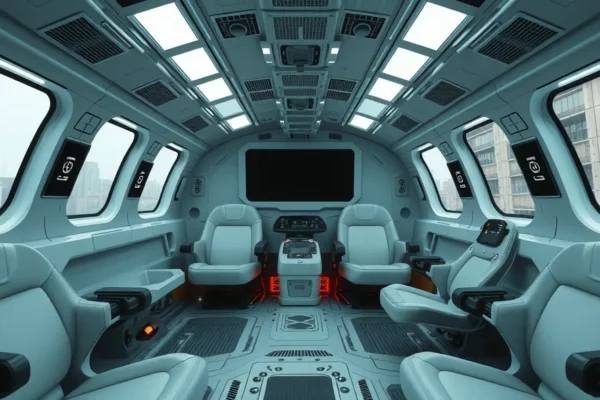
How does this actually impact your morning commute? Imagine you step into an autonomous vehicle on your way to the office. Behind the scenes, the car uses a combination of seat pressure sensors, interior cameras, and artificial intelligence to monitor the cabin. This is not about being a “Big Brother” figure, but rather about maintaining a standard of hygiene and safety for the next passenger.
Consider these scenarios:
- If you travel frequently for business: You likely rely on robotaxis to get from the airport to your hotel. You expect the cabin to be treated like public transport, not a private hotel room. These detection systems ensure that your ride doesn’t end early because the previous passenger left the cabin in an unhygienic state.
- If you manage a busy household: You might eventually use autonomous vehicles to transport your kids to after-school activities. In this case, autonomous vehicle ethics take center stage. Knowing that the vehicle is monitored to prevent inappropriate public behavior provides a necessary layer of security for parents.
Who Should Be Concerned About Robotaxi Privacy
This tech is designed for the everyday urban commuter who values reliability and cleanliness. If you are someone who uses shared mobility services regularly, this is a positive step toward better service standards. However, if you are highly sensitive to how your data is handled, the increase in in-car monitoring might give you pause. It is a classic trade-off: you get a safer and cleaner environment, but you sacrifice a degree of total privacy inside the cabin.
How It Compares to Traditional Rideshares
In a traditional Uber or Lyft, a human driver acts as a natural deterrent to bad behavior. That human element provides a level of accountability that is missing in a driverless car. Because autonomous vehicles lack a “human in the loop,” companies are turning to smart vehicle design to fill that void. While traditional cabs are cheaper to “police” because the driver is present, the robotaxi requires a more sophisticated, tech-heavy approach to maintain the same social norms.
The Learning Curve and Ease of Access
For the average user, there is virtually no learning curve. You simply unlock the car with your app, get in, and go. You don’t need to know how the privacy technology works, and you don’t need to configure any settings. The system operates autonomously, much like the car itself. The only “friction” a user might experience is the realization that the vehicle is actively monitoring the cabin, which may feel intrusive to some passengers at first.
The Real World Pros
- Improved Hygiene: By detecting unauthorized activities, vehicles can be automatically routed for cleaning, meaning you are less likely to sit in a messy seat.
- Enhanced Safety: In-car monitoring can also detect emergencies, such as a passenger falling ill, allowing the vehicle to contact help faster than a traditional car.
- Consistent Experience: Whether it is 8 AM or midnight, the vehicle remains a neutral, professional space for transit.
- Reduced Vandalism: Deterring improper behavior helps keep the interior of the vehicle in better condition for longer, which keeps ride costs more stable.
The Drawbacks and Privacy Concerns
- Privacy Trade-offs: The biggest drawback is the feeling of being watched. Even if the data is processed locally, many people feel uncomfortable with cameras inside a vehicle.
- False Positives: Like any technology, these sensors can make mistakes. There is a risk that a system might incorrectly flag a passenger for “inappropriate behavior” when they were simply adjusting their seat or shifting heavy bags.
- Data Security: There is always a risk regarding where that camera data goes. Passengers need assurance that these recordings are encrypted and deleted rather than stored in a permanent cloud database.
The Value Proposition
Robotaxi services are generally priced to compete with current ride-sharing apps. The “cost” here isn’t a higher ticket price, but rather the psychological cost of living under increased surveillance. For most commuters, the value of a clean, reliable, and safe ride outweighs the privacy concerns, provided the companies remain transparent about their data policies. If you are budget-conscious, these services offer a massive advantage over owning a car, even with the added layers of cabin monitoring.
Verdict: Should You Worry About This Tech
The development of tech to prevent robotaxi sex is a necessary evolution of future mobility. If you use autonomous vehicles for their efficiency and convenience, this is a net positive for your daily experience. However, if you are a staunch privacy advocate, you might find the level of interior monitoring unsettling. Ultimately, the industry is trying to solve a very human problem with cold, hard data. If you prioritize a professional and clean experience, the benefits far outweigh the limitations.
Common Questions and Answers
Is robotaxi sex a major issue for companies right now? Yes, it is a significant concern for operators because it impacts both the cleanliness of the fleet and the legal liability of the company.
Will the cameras in robotaxis record my conversations? Most privacy-focused designs prioritize visual cues for behavioral detection rather than audio recording, but you should always check the specific safety terms of the app you are using.
Can I opt out of the in-car monitoring? Currently, no. Monitoring is typically a core component of the vehicle’s safety system, and you generally must agree to it as part of the terms of service to use the ride.
How does this affect robotaxi privacy? It creates a tension between safety and anonymity. While the data is intended to be used for transit enforcement, it effectively ends the expectation of total privacy while inside a public-facing autonomous vehicle.
What happens if I am wrongly flagged by the system? Most companies have a review process where you can dispute a flagged incident, though this can be a frustrating experience that might temporarily restrict your ability to use the service.
Product prices and availability vary by region. Verify current pricing before purchase.











