

Taking a Ride in the Future of Travel
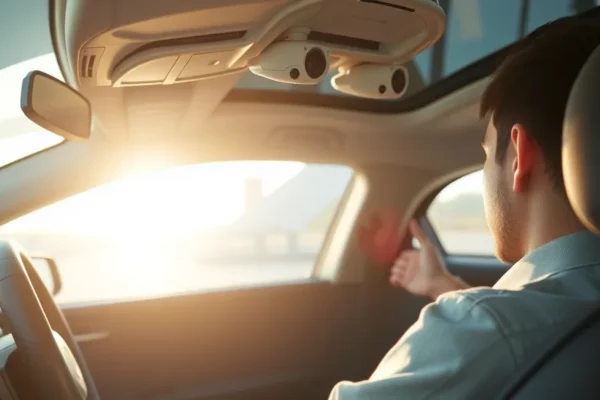
You have likely seen them cruising through busy city streets. Robotaxis, operated by companies like Waymo, Zoox, and Tesla, are changing how we think about getting from point A to point B. By removing the human driver, these driverless cabs promise a future of convenience and efficiency. However, these vehicles are not just cars; they are mobile data centers packed with cameras and sensors that constantly watch their surroundings and, importantly, the people riding inside them.
For the average rider, this raises a simple question: what exactly are these companies seeing, and should you be worried about your privacy? Understanding how autonomous driving technology monitors passengers is essential if you plan on using these services as they become more common in major cities.
How Robotaxis Watch You While You Ride
When you step into a vehicle from Waymo or Zoox, you are entering a space equipped with multiple in-car cameras and microphones. This sensor technology is primarily used for safety and fleet management. For example, the cameras can detect if a passenger has left a bag behind or if someone is acting in a way that violates safety rules. These systems use AI privacy algorithms to blur faces or sensitive details when processing data for engineers, but the fact remains that a high-definition recording of your trip is being captured.
Think of it like a smart doorbell, but for your commute. If you are a parent juggling a busy household, you might appreciate the peace of mind that comes with knowing the car is monitored. If you are a privacy-conscious traveler, however, having a constant digital eye on your conversation or behavior might feel like an intrusion. These cars use these sensors to ensure the vehicle is clean and to prevent misuse, which is a major benefit for maintaining a reliable service, even if it feels slightly invasive.
Who Should Consider Using Robotaxis
These services are best for city dwellers who are comfortable with technology and tired of dealing with unpredictable ride-sharing drivers. If you value punctuality and want a consistent experience, robotaxis are an excellent fit. They are particularly great for tech enthusiasts who want to be early adopters of innovation.
On the other hand, skip these services if you are highly sensitive to being recorded. If you prefer the human element of a traditional taxi or if you require specific assistance from a driver, such as help with heavy luggage or mobility issues, the current generation of driverless cabs might not meet your needs yet. It is also worth noting that availability is currently limited to specific urban geofenced zones.
Comparing the Big Names in Autonomous Driving
Waymo is currently the most widely deployed, offering a polished experience that feels very similar to using a standard ride-sharing app. Their focus is heavily on safety sensors that map every inch of the road. Zoox, which is owned by Amazon, takes a different approach with a custom-built vehicle that features two rows of seats facing each other, creating a lounge-like vibe. This changes how you perceive the cameras, as the design feels more like a shared space than a traditional car.
Tesla, while not a dedicated robotaxi fleet in the same way as the others, utilizes its FSD or Full Self-Driving software in customer-owned vehicles. If you are riding in a Tesla being used as a taxi, you are subject to their specific data collection practices, which are often more integrated into the car’s existing cabin camera suite. Each company handles data differently, but all prioritize tracking passenger behavior to prevent vandalism and improve their AI models.
The Learning Curve and How to Get Started
Getting started is surprisingly easy. You simply download the respective app, link your payment method, and request a ride. There is no technical skill required beyond knowing how to use a smartphone. The learning curve is almost non-existent because the interface mirrors apps like Uber or Lyft.
However, the real “learning” happens when you sit inside. You need to get used to the car moving without a driver. You might feel a momentary urge to reach for a steering wheel that isn’t moving. Most people get used to this within the first few minutes of their first trip, but do not be surprised if you feel a bit tense until the car successfully navigates its first busy intersection.
Real World Pros of Using Robotaxis
- Predictability: Because the cars follow strict AI driving protocols, the driving style is generally consistent and calm.
- Privacy from Humans: You do not have to engage in small talk with a stranger, which many commuters find to be a major stress reliever.
- Safety Monitoring: Real-time monitoring means that if you feel unsafe or experience a technical issue, help can be signaled immediately.
- Consistent Cleanliness: Because the cars are monitored and periodically inspected by their fleets, you are less likely to encounter the messy conditions of a poorly maintained taxi.
Real World Cons and Limitations
- Constant Surveillance: You are under observation from the moment you unlock the door until you exit, which is a dealbreaker for many.
- Limited Human Assistance: If something goes wrong, like a child dropping a toy or an elderly rider needing a hand, there is no one there to help you.
- Technical Glitches: Occasional software hiccups can lead to the car stopping abruptly or struggling to find a safe pull-over spot in dense traffic.
- Data Usage Transparency: While companies claim they protect your data, the actual breadth of what is stored and for how long is often buried in complex legal terms that most users never read.
Price, Value, and Affordability
Currently, robotaxi pricing is competitive with premium ride-sharing services. You are paying for the novelty and the convenience of a private, driverless experience. While prices fluctuate based on demand, they are generally not yet a “budget” alternative to public transit. If you are looking for long-term value, these services are best used for specific occasions—like commuting to a meeting—rather than every single errand you run. There are no hidden subscription costs, but keep in mind that you are paying a premium for the technology involved.
The Final Verdict
Are robotaxis worth it? If you prioritize efficiency and are comfortable with the trade-off of digital surveillance for a smooth, driverless commute, they are a fantastic piece of modern technology. They represent a major step forward in urban mobility. However, if you are skeptical about data collection and value human interaction, you might want to stick with traditional options for now. The tech is still maturing, and the privacy landscape is still evolving alongside it.
Common Questions About Robotaxi Privacy
Are my conversations recorded inside a robotaxi?
Most companies state that they capture audio for safety purposes or to facilitate support, but they generally emphasize that this is for emergency or quality control reasons rather than active listening.
Can I turn off the cameras while I ride?
No, the cameras are a core part of the vehicle’s safety and operational system. You cannot disable them as a passenger, as they are required for the vehicle to monitor the cabin and ensure the safety of the fleet.
Is my location data shared with third parties?
Companies usually state that they do not sell your personal data to third parties, but they do share anonymized data with partners for research and service improvement. Always check the specific privacy policy of the service you are using.
How does the AI handle passenger disputes?
In the event of a dispute or a report of misbehavior, the recorded data is often reviewed by a human team at the company to determine what happened. This is why the monitoring is so comprehensive.
Is this technology safer than a human driver?
Proponents argue that AI does not get distracted by phones, tired, or angry, making it statistically safer in many environments. However, humans are better at navigating complex, unpredictable social situations on the road.
Product prices and availability vary by region. Verify current pricing before purchase.











