

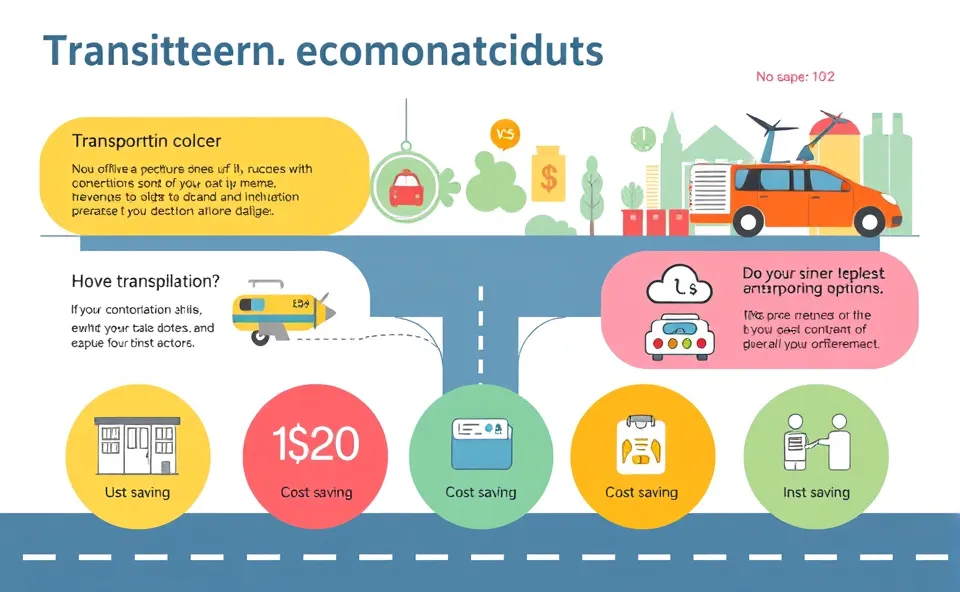
Taking Control of Your Commute and Your Wallet
When we talk about cutting back on spending, most people think about skipping the daily latte or canceling a streaming service. But for many of us, the biggest drain on the bank account is actually how we get from point A to point B. Reducing your transportation costs is not just about finding a cheaper gas station. It is a full approach to how you move through the world. It means looking at every trip you take and asking if there is a more efficient, cheaper way to do it.
Frugal living is often misunderstood as just being cheap. In reality, it is about maximizing value. When applied to travel and commuting, this means leveraging every tool available to keep more money in your pocket. Whether that means changing how you drive, switching your mode of transport, or simply planning your day better, the goal is to stop the leak of cash that happens every time you turn a key or tap a transit card.
Why Everyone is Suddenly Looking for Cheaper Ways to Move
If you feel like everyone is talking about saving money on travel lately, you are not imagining it. We are living through a time where the cost of living has spiked across the board. Fuel prices fluctuate wildly, insurance premiums are climbing, and the cost of maintaining an older vehicle has become a significant burden for the average household.
At the same time, people are becoming more aware of their environmental footprint. There is a growing intersection between saving money and saving the planet. Many people are realizing that the traditional model of owning a massive car for every single errand is not only expensive but unnecessary. This shift in mindset has turned frugal transportation into a trend. It is no longer just for people on a tight budget. It is a lifestyle choice for those who want more freedom and less financial stress.
How We Got Into This Expensive Habit
For decades, the dream was simple. You get a job, you buy a car, and you commute to an office. In many places, the infrastructure was built specifically for this. Cities expanded outward, creating suburbs that made a personal vehicle a necessity rather than a luxury. This created a deep dependence on cars, which in turn drove up transportation costs for everyone.
Then came the era of convenience. We saw the rise of ride sharing services that promised to make car ownership obsolete. However, for many, the ride sharing costs ended up being higher than owning a vehicle in the long run. We shifted from a culture of ownership to a culture of convenience, and that convenience came with a high price tag. Now, we are seeing a correction. People are looking back at simpler methods, like walking or biking, and realizing they were the most efficient options all along.
Smart Moves to Lower Your Monthly Spend
Cutting costs does not mean you have to stop moving. It just means you have to be more strategic. There are several layers to reducing your expenses, ranging from small habit changes to bigger lifestyle shifts.
Mastering Your Fuel and Driving Habits
If you must drive, the way you handle your vehicle can make a huge difference in your monthly budget. You can save money on gas simply by changing your right foot’s behavior. Rapid acceleration and hard braking waste fuel. By maintaining a steady speed and coasting toward red lights, you can significantly increase your mileage.
Here are a few fuel efficiency tips that actually work:
- Check your tire pressure. Under-inflated tires create more rolling resistance, which means your engine has to work harder and burn more fuel.
- Lighten the load. Carrying extra junk in your trunk is like paying to transport trash. Remove unnecessary weight to improve your MPG.
- Avoid excessive idling. If you are waiting for someone for more than a minute, turn off the engine.
Finding Vehicle Maintenance Savings
One of the fastest ways to reduce car expenses is to stop the big, unexpected repair bills. Preventative care is always cheaper than emergency repairs. Instead of waiting for a warning light to pop up, keep a strict schedule for oil changes and fluid checks.
You can find significant vehicle maintenance savings by doing the simple things yourself. Learning how to change an air filter or replace windshield wiper blades takes ten minutes and saves you a trip to the mechanic where you would pay for labor. If you do need a professional, get a second opinion for major repairs to ensure you are not being overcharged.
Embracing Public and Alternative Options
The biggest leap in savings comes when you stop relying on a car for every trip. Public transport savings can be massive, especially if your city offers monthly or annual passes. These often cost a fraction of what you would spend on gas and parking for a month.
Beyond buses and trains, look into alternative transportation. An electric bike or a quality pair of walking shoes can eliminate the need for short car trips. Many people find that trips under two miles are much more pleasant when done on a bike or on foot, and they cost virtually nothing.
The Power of Sharing and Planning
You do not have to travel alone to get where you are going. The carpooling benefits go beyond just splitting the cost of fuel. You reduce the wear and tear on your vehicle and often get access to high occupancy vehicle lanes, which saves time.
If you do use apps for travel, be mindful of the ride sharing costs during surge pricing. Sometimes waiting ten minutes or walking a block away from a busy zone can drop the price significantly. For those planning longer trips, following basic budget travel tips like booking transport in advance and avoiding peak-time departures can save hundreds of dollars a year.
Where Transportation is Heading Next
The way we move is changing rapidly. We are moving away from the idea that every adult needs a car to be successful. The rise of remote work has already permanently lowered transportation costs for millions of people by eliminating the daily commute entirely.
In the coming years, we will likely see a bigger shift toward micro-mobility. Small, electric vehicles and shared scooter programs are making it easier to navigate urban areas without a car. We are also seeing a steady move toward electric vehicles. While the initial cost can be high, the long-term savings on fuel and maintenance are compelling. The future of transportation is not about owning more, but about accessing the right mode of transport for the specific trip you are taking.
Common Questions About Reducing Travel Spend
How can I quickly lower my daily transportation costs?
The fastest way is to combine your trips. Instead of running three separate errands on three different days, plan one single route to handle everything. This reduces mileage and save money on gas immediately.
Is public transport always cheaper than owning a car?
In most urban areas, yes. When you factor in insurance, registration, maintenance, and parking, public transport savings are usually significant. However, in rural areas, a fuel-efficient car is often the only practical choice.
What are the best fuel efficiency tips for older cars?
Keep your engine tuned and your tires properly inflated. Older cars often have less efficient fuel systems, so keeping the air filter clean and avoiding heavy loads is essential to reduce car expenses.
Are the carpooling benefits worth the loss of privacy?
For many, the financial gain is worth it. Splitting transportation costs with a coworker can save you thousands of dollars a year, and it often makes the commute more sociable and less stressful.
Which alternative transportation is best for commuting?
It depends on your distance. For under three miles, walking or a standard bike is best. For three to ten miles, an e-bike or public transit is usually the most cost-effective way to avoid high ride sharing costs.











