

Nature’s Fury Brewed for Our Health
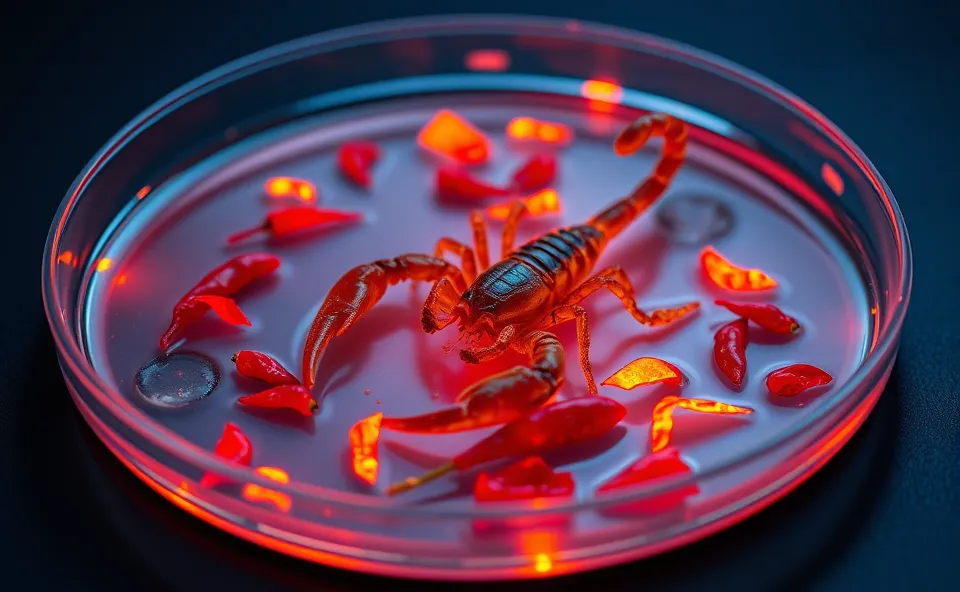
Imagine this: the intense heat of a habanero pepper and the potent sting of a scorpion, two things we usually associate with pain or at least a good dose of caution, are now becoming unlikely heroes in the fight against superbugs. Scientists are literally taking these powerful natural ingredients and using them to craft brand new antibiotics. This isn’t science fiction; it’s a groundbreaking approach to tackle drug-resistant bacteria, a problem that’s becoming more and more serious worldwide.
Why Are We Talking About This Now?
The urgency to find new ways to fight resistant bacteria has never been higher. We’ve all heard about “superbugs” – bacteria that have evolved to resist the very antibiotics we rely on. Diseases like tuberculosis, which were once manageable, are becoming incredibly difficult to treat again because the standard drugs just don’t work as well. This growing threat means we desperately need novel antibiotics, and that’s why this innovative research using scorpion venom and habanero peppers is grabbing headlines and sparking hope.
A History of Turning Toxins into Treatments
Looking back, it’s not entirely surprising that scientists are exploring nature’s own defense mechanisms. For centuries, humans have observed how plants and animals protect themselves and then tried to harness those properties for healing. Think about aspirin, originally derived from willow bark, or penicillin, famously discovered from mold. These are classic examples of how nature’s potent compounds can be adapted to combat illness.
In the case of scorpion venom, specific peptides within it have evolved over millions of years to paralyze prey or defend against predators. These peptides often target specific cellular pathways, making them excellent candidates for drug development. They’re like tiny, highly specific keys designed to unlock or block certain locks within a cell.
Similarly, the capsaicinoids in habanero peppers, the compounds responsible for their fiery heat, also have biological activity. While we experience them as a burn, these molecules interact with pain receptors in humans, but in bacteria, they can disrupt cell membranes or interfere with essential life processes. The idea is to isolate and modify these naturally occurring compounds, making them effective against specific drug-resistant pathogens without harming human cells.
A Glimmer of Hope Against Stubborn Infections
So, what does this mean for us? It means a potential lifeline against diseases that are becoming increasingly unmanageable. For conditions like drug-resistant tuberculosis, where treatment options are limited and side effects can be severe, new antibiotics are crucial. This research offers the promise of more effective treatments, potentially leading to shorter treatment durations and better outcomes for patients.
For the medical community, this represents a vital new avenue for developing antimicrobial resistance strategies. It’s a way to diversify our arsenal against bacteria that are constantly evolving. This is particularly exciting for public health, as the spread of resistant bacteria is a global concern.
From a technology and business perspective, this kind of research drives innovation in drug discovery. It pushes the boundaries of what we consider viable sources for medicine. Developing novel antibiotics is a complex process, and success here could pave the way for more investment and research into other naturally derived compounds. It highlights the untapped potential still residing in the natural world, waiting to be discovered and applied for human benefit.
The Path Forward: From Sting to Strength
What’s next? The scientists working on these novel antibiotics are continuing their rigorous testing. The goal is to move from laboratory success to clinical trials, where these potential new drugs can be tested safely and effectively in humans. This is a lengthy and demanding process, but the early findings are highly encouraging.
We can expect further research to refine these compounds, making them even more potent and safer. This might involve synthetic modifications to enhance their effectiveness or reduce any potential side effects. The hope is that this work, a testament to the ingenuity of Mexican science and global medical innovation, will contribute significantly to our ongoing battle against antimicrobial resistance. It’s a journey that starts with understanding the very powerful, and sometimes surprising, mechanisms nature has already put in place.
Frequently Asked Questions About New Antibiotics
What are resistant bacteria and why are they a problem?
Resistant bacteria are germs, like bacteria, that have developed the ability to defeat the drugs designed to kill them. This means that common infections, which were once easily treated with antibiotics, can become much harder to cure. This is a significant challenge for public health, as it leads to longer illnesses, more hospital stays, and increased deaths. The primary goal is finding new antibiotics to overcome these resilient pathogens.
How can scorpion venom help in creating new antibiotics?
Scorpion venom contains special proteins called peptides that have evolved to paralyze or kill the scorpion’s prey or defend itself. Scientists are studying these peptides because they often have a very precise way of targeting and disrupting essential functions within cells. By isolating and sometimes modifying these specific peptides, researchers aim to create molecules that can effectively target and kill resistant bacteria, forming the basis for novel antibiotics.
What role do habanero peppers play in this research?
The intense heat in habanero peppers comes from compounds called capsaicinoids. While they create a burning sensation in humans, these molecules can also have effects on bacterial cells. Researchers are investigating how these compounds, or modified versions of them, can disrupt bacterial cell membranes or interfere with their growth and survival. This makes them another promising source for developing new antibiotics against drug-resistant pathogens.
Is this new approach effective for treating tuberculosis?
The research is showing promise in developing novel antibiotics that could be effective against bacteria that cause diseases like tuberculosis, especially those that have become resistant to current treatments. The ability of scorpion venom peptides and compounds from habanero peppers to target bacterial mechanisms that are not affected by existing drugs is what makes them a potential breakthrough for tuberculosis treatment and other challenging infections.
What is the future outlook for these scorpion venom and habanero pepper derived antibiotics?
The future outlook is one of cautious optimism. The initial findings are strong, demonstrating the potential of these natural sources to yield effective new antibiotics. However, the journey from laboratory discovery to a widely available medicine is long and involves extensive testing and regulatory approval. The ongoing work aims to refine these compounds and move them through clinical trials, offering a significant advancement in the fight against antimicrobial resistance.











