

That Nagging Feeling: Understanding Shingles and Why It’s More Than Just a Rash
You’ve probably heard of shingles, that painful, blistering rash that can pop up seemingly out of nowhere. But what exactly is it, and why is it suddenly a hot topic when we talk about health and technology? Think of it like this: that chickenpox you might have had as a kid never truly leaves your body. It just hangs out, dormant. Later in life, for reasons we’re still unraveling, this old virus can decide to reactivate, and that’s when shingles, also known as herpes zoster, makes its unwelcome appearance. It’s a viral infection that affects a nerve pathway, often appearing as a band or strip of blisters on one side of your body. While many people recover without lasting issues, for some, the story is far more complicated and frankly, quite serious.
Why the Buzz Around Shingles Right Now?
It seems like every other day we’re seeing more information about shingles and, importantly, the shingles vaccine. This increased attention isn’t random. It’s driven by a growing awareness of the significant long-term health risks associated with the condition. We’re talking about more than just a temporary, albeit painful, rash. People are realizing that shingles can lead to chronic pain that lingers for months or even years, a condition called postherpetic neuralgia. Even more concerning, recent insights suggest a link between shingles and an increased risk of stroke. As this understanding spreads, so does the conversation about prevention, particularly through adult vaccination. The availability and effectiveness of newer shingles vaccines are also big drivers behind why this topic is trending. People want to know their options and how to protect themselves from these potential serious consequences.
The Hidden Story of the Shingles Virus
To truly grasp the significance of shingles, we need to go back to the chickenpox. If you had chickenpox, the varicella-zoster virus that caused it is still inside you. It resides in your nerve cells, quietly waiting. For many decades, this virus was largely a childhood concern. However, as we age, or if our immune system weakens due to illness or certain medications, this virus can wake up. It travels along nerve pathways to the skin, causing that distinctive, painful shingles rash. This reactivation is the basis of shingles, and it’s something that can happen to anyone who has had chickenpox, which is a vast majority of the adult population. The first time the virus infects someone, it causes chickenpox. The second time, it causes shingles.
Beyond the Blisters: The Serious Health Impacts
This is where the conversation gets truly important. Shingles is not just a temporary inconvenience for many. The most common complication is postherpetic neuralgia, or PHN. This is a form of chronic pain that can feel like burning, stabbing, or shooting pain, and it can last for months or even years after the rash has healed. Imagine dealing with intense pain every single day; it can drastically affect your quality of life, leading to sleep problems, anxiety, and depression. But the risks don’t stop there. Emerging research highlights a worrying connection between shingles and an increased stroke risk. Studies suggest that getting shingles, especially in certain age groups or with specific nerve involvement, might make you more susceptible to having a stroke. Furthermore, shingles can sometimes cause nerve damage that affects different parts of the body, impacting sensation, movement, and even vision if it affects the eye area. These are serious health outcomes that underscore why understanding shingles prevention is so critical.
Understanding the Technology of Protection: Shingles Prevention
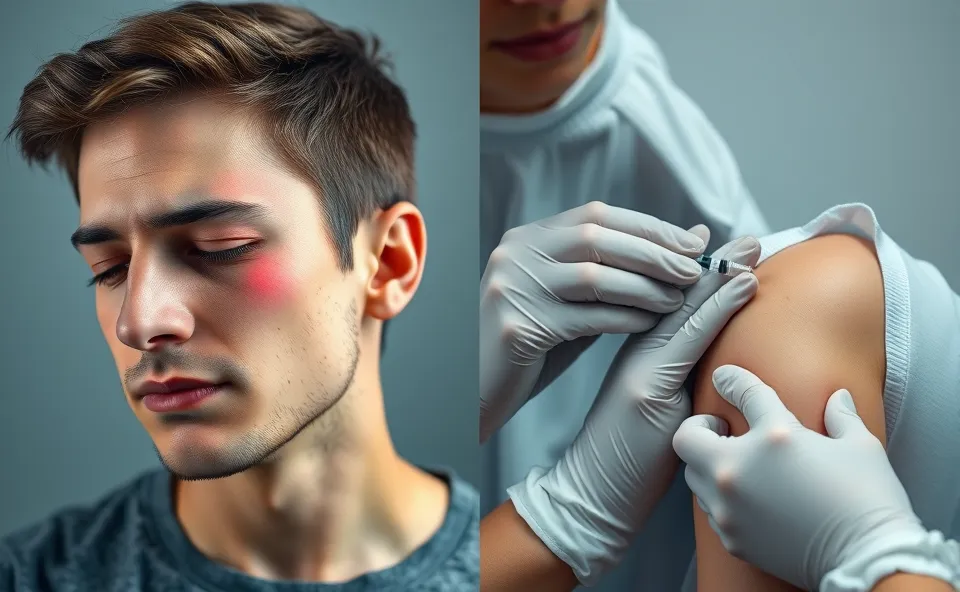
Given these potential serious health risks, the focus naturally shifts to prevention. This is where the technology behind vaccines plays a crucial role. The development of effective shingles vaccines has been a significant advancement in adult vaccination. These vaccines are designed to boost your immune system’s ability to fight off the reactivated varicella-zoster virus, significantly reducing your chances of developing shingles or, if you do get it, lessening its severity and the risk of complications like postherpetic neuralgia. The technology behind these vaccines works by introducing a weakened or inactive part of the virus to your body, teaching your immune system how to recognize and combat it effectively. This is a proactive approach to health, allowing individuals to take steps to protect themselves from the potential long-term consequences of this viral infection.
What’s Next on the Shingles Horizon?
Looking ahead, the conversation around shingles is likely to continue to grow. We can expect more research to deepen our understanding of the links between shingles and other serious health issues like stroke. This might lead to new recommendations for screening or preventative measures for individuals who have had shingles. On the prevention front, we’ll probably see continued efforts to increase vaccination rates for shingles. Public health campaigns will likely focus on educating more people about the risks and the benefits of getting the shingles vaccine, especially for older adults or those with compromised immune systems. Technology in vaccine development is also constantly evolving, so it’s possible that even more effective or easier-to-administer vaccines could become available in the future. The goal remains clear: to minimize the impact of this common yet potentially severe viral infection.
Your Shingles Questions Answered
What exactly is shingles?
Shingles, also known as herpes zoster, is a viral infection caused by the varicella-zoster virus, the same virus that causes chickenpox. It reactivates from a dormant state in your nerve cells, leading to a painful rash, usually in a band or strip on one side of your body. It’s a reactivation of a past viral infection.
Can shingles cause long-term health problems beyond the rash?
Yes, definitely. The most common long-term problem is postherpetic neuralgia, a persistent nerve pain that can last for months or years. There is also growing evidence suggesting an increased stroke risk for individuals who have had shingles. Nerve damage is another serious potential complication of shingles.
Why are vaccination rates for shingles important?
Increasing vaccination rates for shingles is crucial because the shingles vaccine significantly reduces the risk of developing the condition and its severe complications, like chronic pain and potentially stroke. It’s a key strategy for public health in preventing serious illness in adults.
Is the shingles vaccine recommended for everyone?
The shingles vaccine is generally recommended for adults aged 50 years and older. It is also recommended for adults 19 years and older who have weakened immune systems because they are at increased risk for shingles. It’s always best to talk to your doctor about whether the shingles vaccine is right for you based on your health history.
What is the difference between chickenpox and shingles?
Chickenpox is the primary infection caused by the varicella-zoster virus, typically occurring in childhood and characterized by a widespread itchy rash. Shingles is a reactivation of the same virus later in life. It affects a nerve pathway, resulting in a painful rash that usually appears on only one side of the body. It’s a second chapter of the same viral infection.











