

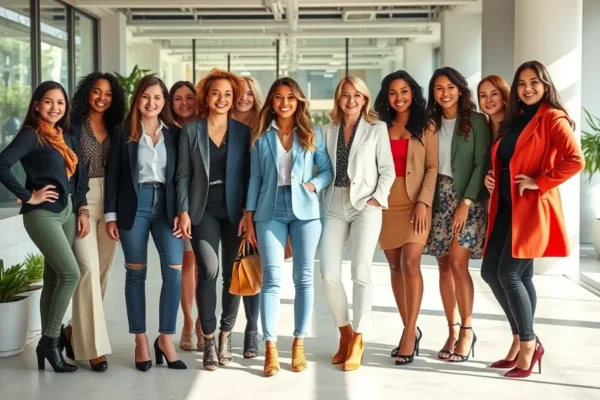
The Rise of a New Social Currency in Silicon Valley
For decades, the public image of Silicon Valley was defined by the archetype of the socially awkward, hoodie-clad engineer. This narrow perception of tech culture often sidelined social aesthetics and physical self-presentation in favor of pure technical utility. However, a significant cultural pivot is currently unfolding in San Francisco, often referred to as the hot girl renaissance. This movement marks a shift in how professionals in the tech industry balance their careers with their personal lives, social scenes, and public personas.
The hot girl renaissance represents more than just a trend in fashion or lifestyle; it is a fundamental reassessment of what it means to be a successful person in the high-stakes world of venture capital, software engineering, and startup leadership. By challenging traditional tech dating stereotypes, this cultural shift suggests that professional competence and personal style are not mutually exclusive. This phenomenon gained significant visibility throughout 2023 and 2024 as social media platforms, particularly X and TikTok, began documenting the transformation of the San Francisco social scene from a closed-off, meritocratic bubble into a more vibrant, aesthetically conscious environment.
How the New Social Ecosystem Functions
At its core, the hot girl renaissance functions as a form of social optimization. In the same way that a software engineer might refactor code to make it more efficient and readable, members of the tech community are now applying similar rigor to their physical presence and social networks. The mechanism is simple: by curating a high-quality social life, individuals increase their visibility, expand their professional networks, and challenge the outdated notion that attractiveness is inversely proportional to intellectual capability.
Think of it like a brand refresh for an enterprise software company. Just as a legacy business might update its interface and marketing strategy to appeal to a younger, more modern demographic, the tech workforce is updating its own brand. The San Francisco hot list serves as a digital or semi-formal ledger of social and professional influencers who embody this duality. It is not necessarily about superficiality; rather, it is about signaling a modern lifestyle that values holistic success. This involves attending curated events, participating in wellness-focused social clubs, and maintaining an intentional online presence that reflects professional ambition alongside personal interests.
From Niche Trend to Mainstream Reality
The application of this social shift is most visible in the changing nature of the San Francisco tech dating scene. Traditionally, tech dating was limited to internal company mixers or niche apps catering to engineers. Today, the scene is far more interconnected with the broader creative and lifestyle industries. Applications like Lox Club or high-end, invite-only social clubs are becoming the primary venues for networking, blending professional development with social interaction.
We see this trend playing out in the increased presence of women in tech who are leading this movement. By normalizing the idea that one can lead a engineering team or a venture capital fund while also being a visible figure in the social scene, these leaders are breaking down barriers. This is not just happening in boardrooms; it is manifesting in the physical spaces of San Francisco, from the upscale cafes of Hayes Valley to the exclusive retreats in the Napa Valley, where business deals are as likely to be struck as social connections are made.
Competitive Dynamics and Social Positioning
This social evolution does not exist in a vacuum. It competes with more traditional, buttoned-up views of corporate professionalism. For years, the status quo dictated that to be taken seriously, one had to sacrifice social vibrancy. The competing approach, often held by older institutions, suggests that hyper-professionalism requires an ascetic approach to one’s personal image.
The advantage of the hot girl renaissance approach is clear: it fosters a more integrated life. By merging the professional and social spheres, participants are able to build deeper trust and stronger relationships, which are the lifeblood of Silicon Valley deal-making. While the traditional approach relies on formal credentials, the new model relies on social capital. It distinguishes itself by prioritizing authentic personal expression, which many argue leads to better long-term retention and higher satisfaction in an industry notorious for burnout.
Economic and Social Implications
The ripple effects of this shift are felt across the local economy. There has been a measurable increase in spending within the hospitality, fitness, and fashion sectors in San Francisco, as professionals invest in their personal brands. From an economic perspective, this creates a more dynamic urban environment that attracts talent from other global hubs like New York or London. Businesses that cater to this demographic are seeing rapid growth, as the demand for high-end, experiential services rises.
Socially, the implications are profound. It is dismantling the stigma often directed at women in tech, who were previously forced to downplay their femininity to gain respect. By leaning into the hot girl renaissance, these professionals are effectively changing the narrative of what a tech worker looks like. While there are concerns about the exclusionary nature of some of these social circles, the broader shift toward valuing human connection alongside technical expertise is a significant maturation of tech culture.
Addressing Limitations and Challenges
Despite the excitement, it is important to acknowledge the limitations of this cultural shift. One primary concern is the creation of echo chambers. As social scenes become more exclusive, they risk isolating themselves from the broader population of tech workers who may not have the resources or desire to participate in high-end social networking. This can lead to a divide between those who are “in” and those who are “out,” potentially hindering diversity in hiring and collaboration.
Additionally, there is the risk of the “aesthetic trap.” Critics argue that by focusing heavily on public image and social status, the industry could lose sight of the deep, often unglamorous technical work that built Silicon Valley in the first place. Relying on social currency can be volatile, as fashion and trends are far more fleeting than technological breakthroughs. There is a delicate balance to be struck between maintaining an active social presence and ensuring that engineering excellence remains the top priority for tech organizations.
The Path Ahead
Looking forward, the trend is likely to continue as the next generation of founders and engineers enters the workforce. We can expect to see more platforms emerge that facilitate this intersection of professional and social networking. The hot girl renaissance is likely to stabilize as it becomes integrated into the standard culture of San Francisco, moving from a novel trend to a normalized way of life.
Key developments to watch include the expansion of these social habits into other major tech hubs such as Austin or Miami. As companies become more comfortable with distributed teams, the cultural influence of the San Francisco scene will likely ripple outward. The next milestone will be seeing how these social dynamics influence company culture from the ground up, perhaps leading to more flexible and holistic workplace policies that prioritize employee well-being as a component of professional success.
Frequently Asked Questions
What is the hot girl renaissance in Silicon Valley? It is a cultural shift in the tech industry where professionals, particularly women, are placing a new emphasis on personal style, social networking, and public presentation alongside their career ambitions, effectively challenging old-school tech dating stereotypes.
Is the San Francisco hot list a real, official document? No, the term generally refers to the social perception of influential and visible figures within the tech scene who successfully balance high-performance careers with a vibrant social life, rather than a formal, static list created by a single organization.
Does this trend change how women in tech are perceived? Yes, it is helping to dismantle the long-standing stereotype that technical expertise and aesthetic awareness are mutually exclusive, allowing women to embrace their personal identity without sacrificing their professional authority.
Are there downsides to this focus on social scenes? The primary concern is the potential for increased exclusivity, which could inadvertently create social barriers and reduce the diversity of networks, while also risking an over-emphasis on appearance over core technical or business substance.
How long will this cultural trend last? As the tech industry continues to mature, this integration of social life and professional networking is likely to become a standard, albeit evolving, aspect of the culture, moving beyond the phase of hype and into a sustainable norm.
Note: This article analyzes cultural trends within the technology industry as reported by various professional and social media outlets through 2024. These observations are based on shifting social dynamics and do not constitute a formal technical or economic study. The nature of social trends is inherently subjective and varies across different sub-sectors of the technology industry.











