

Bridging the Gap: How Smart Partnerships are Crafting Future-Proof Careers
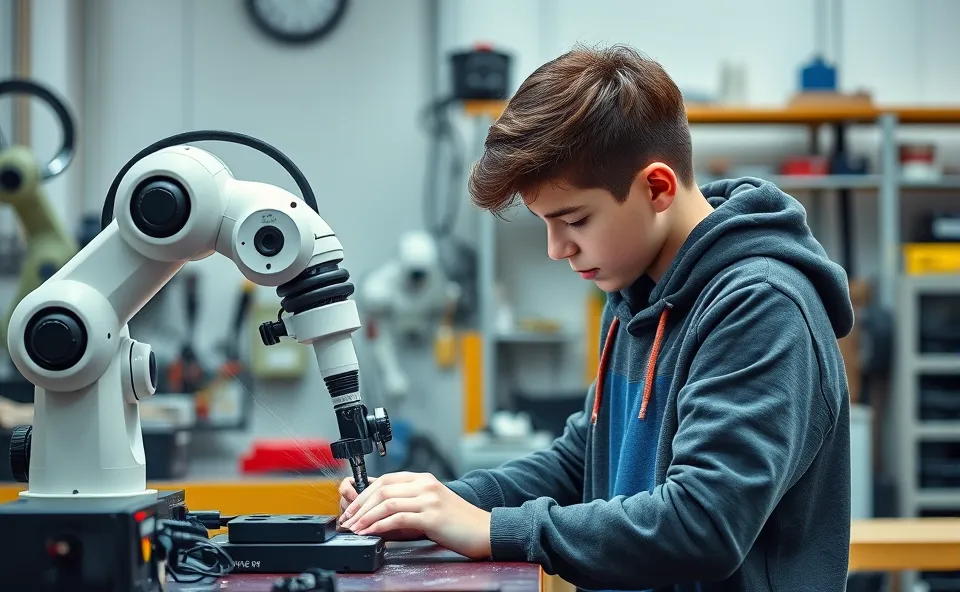
Imagine a place where students aren’t just learning theories from a book, but are actually getting their hands dirty, building the future with real tools and cutting-edge technology. That’s exactly what’s happening through exciting vocational training partnerships. A prime example is the collaboration between the Huntsville Center for Technology and Toyota. These programs are a game changer, offering young people a clear pathway to high-paying jobs that even AI automation can’t easily replace. They are equipping students with the essential skills for the modern workforce, proving that hands-on technical education is more relevant than ever.
Why Are We Talking About Skilled Trades Now?
The buzz around skilled trades and their battle against AI automation is getting louder every day. We’re seeing a massive shift in how we think about careers. For a long time, the focus was heavily on four-year degrees. But now, there’s a growing realization that not everyone needs or wants that path. People are actively searching for reliable career options, especially those that offer good income and long-term job security. As automation becomes more sophisticated, understanding which jobs are truly resilient is key. This is why vocational training and its role in preparing individuals for the future of work are such hot topics. The Huntsville Center for Technology and Toyota partnership perfectly illustrates this trend, showing a practical solution to a widespread concern about AI automation.
A Look Back: The Evolution of Technical Education
For decades, vocational training programs have been a cornerstone of workforce development, equipping individuals with practical skills for various industries. These programs often focused on trades like carpentry, plumbing, and electrical work, providing a solid foundation for many careers. However, as technology advanced, particularly with the rise of automation and sophisticated machinery, the landscape of skilled trades began to evolve. The need for more advanced technical skills, especially in fields like advanced manufacturing, became apparent. Traditional vocational training had to adapt, incorporating new technologies and modern manufacturing processes to keep pace. The partnership between institutions like the Huntsville Center for Technology and industry giants like Toyota represents this evolution. It’s about taking that proven foundation of hands-on learning and supercharging it with the demands of today’s automated world, ensuring that students are prepared not just for current job openings, but for the future of work.
The Real-World Impact: More Than Just a Job
What does this kind of vocational training partnership really mean for everyone involved? For students, it’s a direct line to automation-proof careers. Instead of racking up student loan debt with an uncertain job market at the end, they gain marketable skills and often walk away with job offers or a clear path to high-paying jobs. They learn the intricacies of modern manufacturing, how to operate and maintain sophisticated automated systems, and develop problem-solving abilities that are crucial in any technical field. These aren’t just jobs; they are careers offering stability and good earning potential. Businesses, on the other hand, get a pipeline of well-trained, qualified talent. Companies like Toyota face the challenge of integrating advanced automation into their operations. Having graduates who understand both the machinery and the craft behind it is invaluable. This kind of workforce development strengthens local economies and ensures that industries have the skilled labor they need to thrive. It’s a win-win that boosts job security and economic growth.
Looking Ahead: The Road Ahead for Skilled Trades
The future of skilled trades, especially with the integration of advanced technology and strong partnerships like the one we’re seeing, looks incredibly bright. We can expect more collaborations between educational institutions and industry leaders. This will lead to even more specialized training programs tailored to the specific needs of emerging industries. Think about robotics, advanced materials, and even specialized areas within green energy technologies. These fields will demand highly skilled technicians and tradespeople who can work alongside, not be replaced by, AI automation. The emphasis will continue to be on lifelong learning, with individuals needing to update their skills as technology advances. The core of these roles will remain hands-on, requiring critical thinking and practical application, qualities that are inherently difficult to automate completely. This focus on adaptability and continuous learning will ensure that skilled trades remain a robust and rewarding career path for generations to come, offering genuine job security in an ever-changing world.
Frequently Asked Questions
What are the most in-demand skilled trades in the age of AI automation?
Even with AI automation advancing, many skilled trades remain highly in-demand. Roles like advanced manufacturing technicians, industrial maintenance specialists, electricians, plumbers, HVAC technicians, and welders are crucial. These jobs often involve complex problem-solving, manual dexterity, and on-site diagnostics that are difficult for current AI automation to replicate. Vocational training programs are increasingly focusing on these areas to ensure job security.
How does vocational training provide job security against AI automation?
Vocational training provides job security by equipping individuals with hands-on skills and technical expertise that are essential for operating, maintaining, and repairing the very systems that involve AI automation. Instead of being replaced by machines, skilled tradespeople often work alongside them, becoming indispensable. This technical education fosters adaptability and problem-solving abilities, making them more resilient to the impacts of automation.
Are there high-paying jobs available through vocational training in manufacturing?
Absolutely. Modern manufacturing requires highly skilled technicians to operate advanced machinery, manage automated production lines, and ensure quality control. These roles often involve complex technical knowledge and practical application, leading to high-paying jobs. Partnerships between technical education centers and companies like Toyota are specifically designed to create these high-paying career opportunities within the manufacturing sector.
What is the future of work for individuals with vocational training and manufacturing skills?
The future of work for those with vocational training and manufacturing skills is strong and evolving. As automation becomes more prevalent, the need for skilled individuals who can manage, program, and maintain these automated systems grows. This means a demand for workers with advanced manufacturing skills, who are adaptable and can embrace new technologies. These are often seen as automation-proof careers because they require human judgment and a practical understanding that AI currently lacks.
How can someone pursue automation-proof careers through technical education?
Pursuing automation-proof careers through technical education starts with identifying fields that require hands-on expertise and problem-solving. Research vocational training programs that focus on skilled trades, advanced manufacturing, or specialized technical areas. Look for programs with strong industry partnerships, like those that connect students with companies actively using and developing new technologies. This type of workforce development ensures that your technical education aligns with the demands of the modern job market and offers strong job security.











