

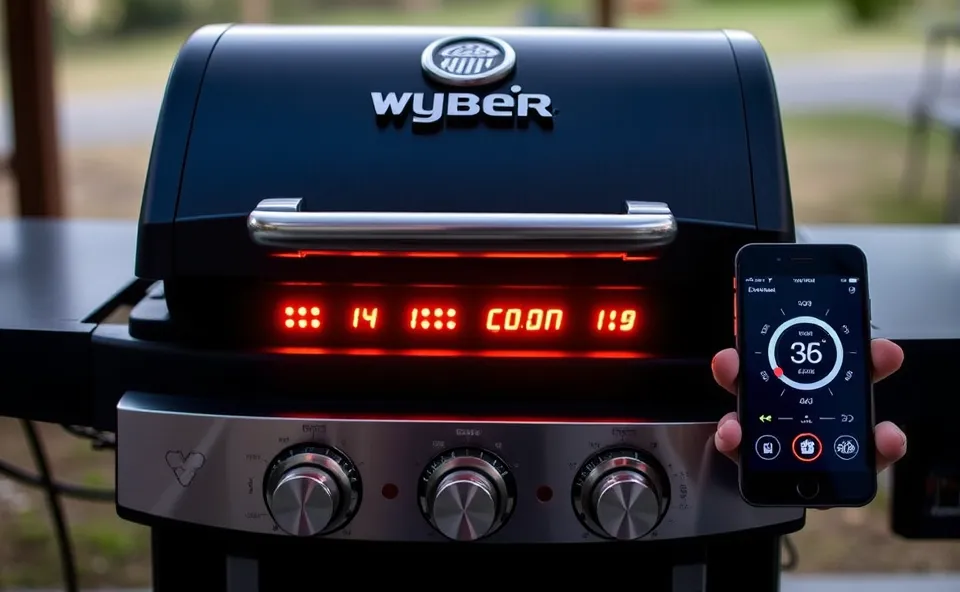
The New Wave of High Tech BBQ
Imagine you are hosting a backyard party. The music is playing, the drinks are cold, and you have a massive brisket on the grill. In the past, this meant you would be stuck standing over the fire for ten hours, staring at a thermometer and praying the wind does not blow out your coals. You would be the “grill master,” but you would also be the person missing all the fun because you are terrified of overcooking the meat.
That is all changing. We are seeing a huge shift in how people handle outdoor cooking. Instead of relying purely on intuition and a lot of luck, people are turning their traditional setups into a smart grill. This is not necessarily about buying a brand new, expensive machine from a store. Instead, a lot of enthusiasts are focusing on grill upgrades for the gear they already own.
Whether someone has a classic Weber grill or a heavy duty Kamado Joe, they are adding digital brains to their analog fire. We are talking about wireless meat probes, automated fan controllers, and smartphone apps that tell you exactly when to flip your steak. It is basically like giving your grill a nervous system. You can now monitor the grill temperature from your living room while you hang out with your guests.
Why Everyone is Suddenly Obsessed with Connected Cooking
You might wonder why we need an app to tell us if a piece of meat is cooked. The answer is simple: consistency. Most people love the taste of charcoal or wood, but they hate the stress of managing it. One wrong move with the air vents and your temperature spikes, turning your expensive prime rib into a hockey puck.
The trend is growing because we have become used to “smart” everything in our homes. We have thermostats that learn our patterns and lights we can control with our voices. It only makes sense that this logic moves outside. People want the rustic flavor of a Kamado Joe but the precision of a laboratory.
There is also a growing community of people who love the DIY smart grill approach. These are the hobbyists who do not want to pay a premium for a factory made smart model. They buy a standard grill and add their own sensors and controllers. It is a mix of culinary art and tech hacking. This movement has turned outdoor cooking into a hobby that appeals to techies just as much as it appeals to foodies.
From Open Flames to Digital Displays
To understand where we are, we have to look at where we started. For decades, grilling was a guessing game. You looked at the color of the coals or felt the heat with your hand. If you were lucky, you had a basic analog thermometer stuck in the lid of the grill. These were notoriously inaccurate, often telling you the air temperature near the top rather than the actual heat where the food sits.
Then came the era of the digital probe. These were a huge leap forward, but they still required a wire running from the meat, through the grill lid, and into a small box on the side. It worked, but it was clunky. If you moved the grill or bumped the wire, you lost your reading.
The real revolution happened with the rise of grilling technology like Bluetooth and Wi-Fi. Companies started creating “connected” accessories. Now, we have probes that are completely wireless. You stick them in the meat, close the lid, and walk away. This shift has removed the biggest barrier to smart cooking: the fear of the unknown. We moved from guessing and hoping to knowing and controlling.
How This Changes the Way We Eat and Entertain
The impact of these upgrades goes beyond just better tasting food. It actually changes the social dynamic of a BBQ. When the host is no longer a slave to the grill, the party becomes better for everyone. You can actually hold a conversation or play a game of cornhole without worrying that your dinner is burning.
For the business side of things, this is creating a whole new market for accessories. We are seeing a surge in third party hardware designed specifically for a Weber grill or other popular brands. This means users can keep their favorite hardware for a lifetime while updating the “software” and sensors every few years.
From a technical perspective, the connected grill is a great example of how IoT, or the Internet of Things, adds real value. It is not just tech for the sake of tech. It solves a real problem: heat management. Here are a few ways this impact is felt:
- Reduced Food Waste: Fewer ruined meals mean less money thrown in the trash.
- Confidence for Beginners: People who were intimidated by charcoal now feel comfortable trying “low and slow” smoking.
- Precision Timing: You can time the side dishes perfectly because you know exactly when the main course will be done.
Where Grilling Technology is Heading Next
So, what comes after the smartphone alert? We are likely moving toward full automation. We already see some systems that can adjust the airflow of a grill automatically to maintain a steady temperature. In the future, this will become standard. You will set a temperature on your phone, and the grill will use motorized vents and fans to keep it exactly there, regardless of the outside weather.
We might also see more AI integration. Imagine a smart grill that knows the weight and thickness of your meat and automatically suggests the best cooking profile. It could analyze the internal temperature and the ambient heat to tell you exactly when the meat needs to rest before you slice it.
Another possibility is better integration with the rest of the smart home. Your grill could tell your smart outdoor lights to change color when the food is ready, or it could sync with your digital calendar to remind you to prep the charcoal two hours before guests arrive. It is not about making grilling complicated, but about removing the chores so we can focus on the flavor.
Common Questions About Smart Grill Upgrades
Do I need to buy a new grill to get smart grill features?
No, you do not. Many people use grill upgrades like wireless thermometers and external fan controllers to make their existing Weber grill or Kamado Joe smart. You can add these components one by one to build a connected grill without replacing your favorite hardware.
How does a DIY smart grill actually work?
A DIY smart grill usually involves adding a digital temperature controller and a fan to the bottom of the grill. The controller monitors the grill temperature and turns the fan on or off to feed oxygen to the coals, which keeps the heat stable without you having to manually adjust the vents.
Can smart cooking improve the taste of the food?
While the tech does not change the flavor of the charcoal, it improves the result. Smart cooking allows for a more consistent temperature, which means the meat cooks evenly. This prevents the outside from burning while the inside stays raw, leading to a much better texture and taste.
Are wireless probes accurate for outdoor cooking?
Yes, modern wireless probes are very accurate. They are designed to withstand high heat and transmit data through the heavy lids of a Weber grill or the thick ceramic walls of a Kamado Joe. They provide real time updates directly to your phone.
What is the best way to start with grill upgrades?
The easiest way to start is by getting a high quality wireless meat thermometer. Once you see how much easier it is to monitor your food, you can look into more advanced grilling technology like automated airflow controllers or smart chimney starters.











